


As a supplier of squirrel houses, I've always been curious about what attracts squirrels to our products. One thing that caught my attention is color. You might be thinking, "Do colors really matter to squirrels?" Well, let's dive into the science and see how colors affect a squirrel's attraction to a squirrel house.
Understanding Squirrel Vision
Before we talk about the impact of colors, we need to understand how squirrels see the world. Unlike humans, who have three types of color - sensitive cones in their eyes (allowing us to see a wide spectrum of colors), squirrels have only two types of cones. This means they are dichromatic, and their color vision is a bit limited compared to ours.
Squirrels are most sensitive to blue and green light. They can distinguish between different shades of these colors quite well. However, they have a harder time distinguishing red and related colors. In a way, they see the world more like a person with red - green color blindness.
The Role of Color in Squirrel Behavior
Colors can play several roles in a squirrel's life. One of the main functions is in identifying food sources. For example, they can easily spot green leaves and blue - purple berries because their visual system is tuned to detect these colors. When it comes to squirrel houses, color can influence their decision to investigate or use the shelter.
Natural - Looking Colors
Squirrels are used to living in natural environments, such as forests and parks. Colors that mimic nature, like greens, browns, and grays, can make a squirrel house more appealing to them. These colors blend in with the surroundings, making the squirrel house seem like a safe and familiar place.
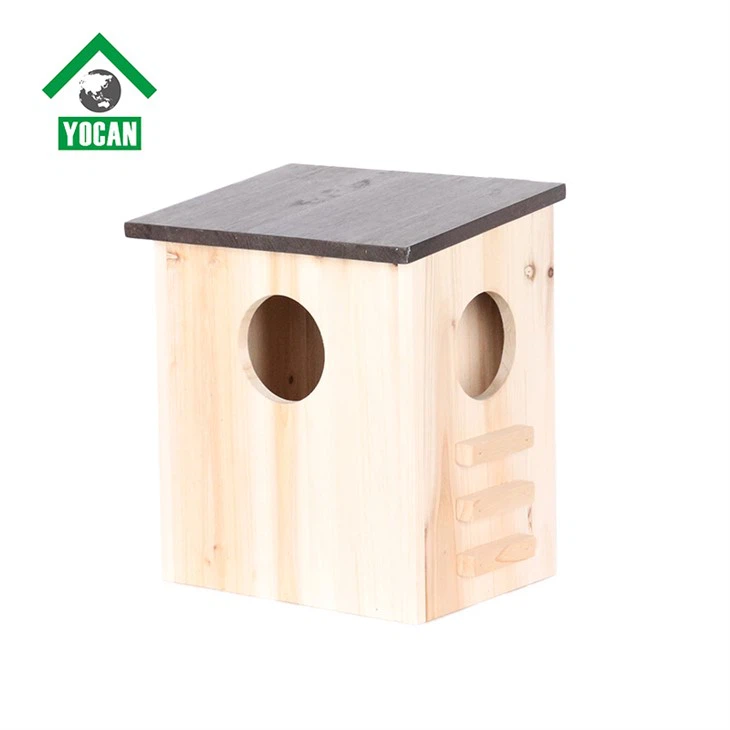
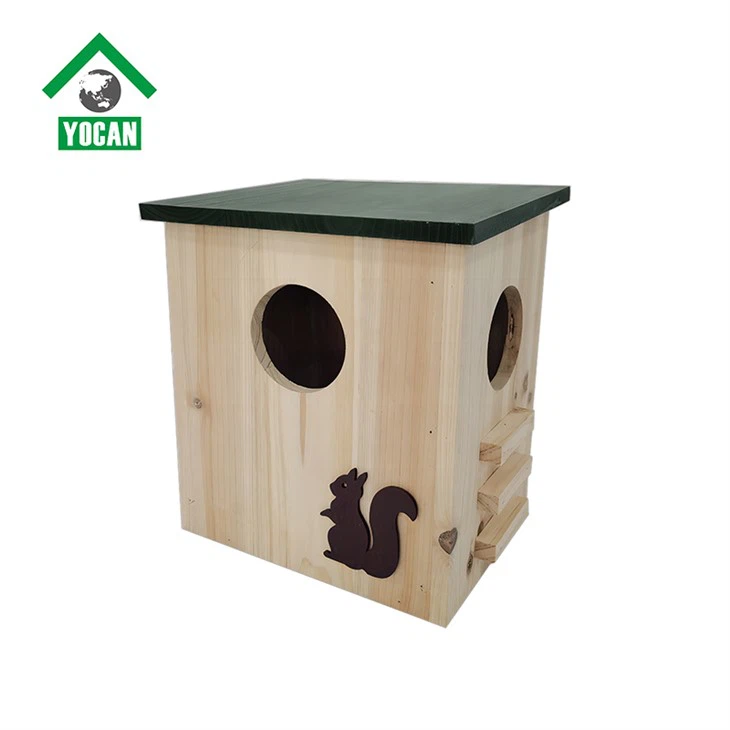
A Wooden Squirrel House in a natural wood color, like a light or dark brown, can be particularly attractive. The natural wood texture and color give an impression of a tree cavity, which is a common and comfortable nesting place for squirrels in the wild. This familiarity can reduce the squirrel's sense of risk and encourage them to explore and potentially use the house.
Bright Colors
On the other hand, bright colors can have a different effect. While some might think that bright colors would stand out and attract squirrels, it's not always the case. Squirrels are generally cautious animals. Bright, unnatural colors like neon pink or bright yellow can be alarming to them, as these colors are not commonly found in their natural habitats.
However, certain bright colors that are in the blue - green spectrum might still catch their attention in a positive way. A blue - green squirrel house might stand out slightly from the background without being overly threatening, as these are colors that squirrels are well - adapted to perceive.
Color and Temperature Regulation
Colors can also affect the temperature inside the squirrel house. Darker colors, such as black or dark brown, absorb more sunlight and heat up faster than lighter colors. In colder climates, a squirrel might prefer a darker - colored house because it can provide more warmth during the winter months.
In contrast, lighter colors, like white or light gray, reflect sunlight and keep the interior of the house cooler. In hot summer climates, a squirrel might be more likely to choose a light - colored house to avoid overheating. As a supplier, we need to consider these factors when choosing the colors of our Outdoor Squirrel House.
Testing Different Colors
To find out which colors are most appealing to squirrels, we've conducted some simple tests. We placed squirrel houses of different colors in a wooded area and monitored the number of visits from squirrels over a few weeks.
The results were quite interesting. The natural - colored wooden houses, especially those with a light to medium - brown tone, received the most attention. The houses with bright, unnatural colors had very few squirrel visits. It seems that squirrels really do prefer a more natural - looking shelter.
Implications for Squirrel House Design
Based on what we've learned about squirrel vision and color preference, we've made some changes to our squirrel house designs. We're now offering more options in natural colors, such as a range of browns and greens, to make our houses more attractive to squirrels.
We also take into account the local climate when recommending a color. For colder regions, we suggest darker - colored houses, while for warmer areas, lighter colors are a better choice.
How Colors Affect Our Marketing
Understanding how colors affect a squirrel's attraction to a squirrel house also helps us in marketing our products. We can use this knowledge to better position our houses in the market and communicate the benefits to our customers.
For example, when promoting a Wooden Squirrel House, we can emphasize that the natural wood color makes it more appealing to squirrels and provides a familiar and safe environment. When selling an Outdoor Squirrel House for a specific climate, we can mention how the color helps with temperature regulation.
Contacting Us for a Purchase
If you're interested in purchasing our squirrel houses, we'd love to hear from you. Whether you're a wildlife enthusiast looking to provide a home for local squirrels or a business in the outdoor supply industry, we have the right product for you. Contact us to discuss your specific needs, including the color options that would work best for your location. We're here to make sure you get the perfect squirrel house for your situation.
References
Arcot, S., & Muthusamy, V. (2020). Color Vision in Rodents: A Review. Journal of Comparative Physiology A, 206(1), 1 - 15.
Jacobs, G. H. (1993). The distribution and nature of colour vision among the mammals. Biological Reviews, 68(4), 413 - 471.
Marples, N. M., & Roper, T. J. (2019). Colour in Animal Communication. Current Biology, 29(12), R573 - R577.