




When it comes to raising rabbits, one of the most critical considerations is providing them with adequate living space. As a responsible Rabbit Cage supplier, I understand the importance of ensuring our furry friends have a comfortable and healthy environment. In this blog post, I'll delve into the topic of how much space a single rabbit needs in a cage, exploring the factors that influence this requirement and providing scientifically - backed recommendations.
Factors Affecting Space Requirements for Rabbits
- Size and Breed of the Rabbit
Different rabbit breeds come in a wide range of sizes. Smaller breeds, such as the Netherland Dwarf, typically weigh between 1.1 - 2.5 pounds. Larger breeds, like the Flemish Giant, can easily tip the scales at over 15 pounds. Naturally, larger rabbits need more space to move around, stretch their legs, and exhibit natural behaviors. A Netherland Dwarf may be comfortable in a relatively smaller cage compared to a Flemish Giant. - Activity Level
Rabbits are active animals by nature. Some rabbits are more energetic than others and will require extra space to burn off that energy. For example, a young and spry rabbit will likely be more playful and need more room to hop, jump, and explore, while an older or more sedentary rabbit may be satisfied with a slightly smaller area. - Purpose of Housing
If the cage is meant to be a permanent living space for the rabbit, it should be larger compared to a cage used only for short - term confinement, such as during transportation or when the rabbit needs to be separated temporarily.
Scientific Recommendations for Rabbit Cage Space
The House Rabbit Society, a well - respected organization in rabbit care, recommends that a single rabbit should have a cage that is at least four times the size of the rabbit when it is stretched out. This means that if a rabbit is 2 feet long when fully stretched, the cage should be at least 8 square feet in area.


In terms of dimensions, the cage should be long enough for the rabbit to take at least three consecutive hops. For most rabbits, this means a cage that is at least 4 - 6 feet in length. The height of the cage should also allow the rabbit to stand up on its hind legs without its ears touching the top.
Another estimate often used in the rabbit - keeping community is a minimum of 12 square feet of living space per rabbit. This gives the rabbit enough room to have separate areas for sleeping, eating, and eliminating waste, which is essential for maintaining good hygiene.
The Importance of Adequate Space
- Physical Health
Insufficient space can lead to a variety of physical health problems for rabbits. Lack of exercise can result in obesity, which in turn can increase the risk of heart disease, joint problems, and other ailments. In a cramped cage, rabbits may not be able to move around enough to keep their muscles toned and their bones strong. - Mental Well - being
Rabbits are intelligent and social animals. They need space to explore, play, and engage in natural behaviors. A small cage can cause boredom and stress in rabbits, leading to behavioral problems such as excessive chewing, aggression, or withdrawal. Providing enough space allows rabbits to express their natural instincts, which is crucial for their mental health.
Our Rabbit Cage Options
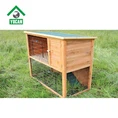
As a Rabbit Cage supplier, we offer a variety of cages that meet and exceed the recommended space requirements for rabbits. Our Wooden Rabbit Cage is an excellent choice for those looking for a durable and aesthetically pleasing option. Made from high - quality wood, it provides a warm and inviting environment for your rabbit. The spacious design ensures that your rabbit has plenty of room to move around and relax.
Another fantastic option is our Rabbit Cage with Wire Extension. The wire extension adds extra space for your rabbit to stretch its legs and get some fresh air. This type of cage is great for rabbits that need a little more room to play and explore.
Additional Considerations for Rabbit Caging
- Enrichment
Even in a large cage, rabbits need environmental enrichment to keep them stimulated. You can add things like tunnels, chew toys, and hiding places to the cage. This will encourage your rabbit to be more active and engaged, making use of the available space. - Out - of - Cage Time
While a large cage is essential, rabbits also benefit from regular out - of - cage time. Let your rabbit roam in a safe, rabbit - proofed area for a few hours each day. This gives them even more space to explore and exercise, further contributing to their physical and mental health.
Conclusion
In summary, providing adequate space for a single rabbit in a cage is crucial for their overall health and well - being. The specific amount of space required depends on factors such as the size and breed of the rabbit, its activity level, and the purpose of housing. Scientific recommendations suggest a minimum of 12 square feet of living space per rabbit, along with dimensions that allow the rabbit to move freely.
As a Rabbit Cage supplier, we are committed to offering high - quality cages that meet the needs of both rabbits and their owners. Our Wooden Rabbit Cage and Rabbit Cage with Wire Extension are designed to provide a comfortable and spacious home for your furry friend.
If you are considering purchasing a rabbit cage or have any questions about our products, we encourage you to reach out for a procurement discussion. We are here to help you make the best choice for your rabbit's living environment.
References
- House Rabbit Society. (Year). Recommended Housing for Rabbits. Retrieved from House Rabbit Society official publication.
- Rabbit Welfare Association and Fund. (Year). Guidelines for Rabbit Housing. Retrieved from Rabbit Welfare Association and Fund official materials.