


Hey there, urban chicken enthusiasts! If you're like me, you've probably fallen in love with the idea of having your own little flock of chickens right in the heart of the city. But let's face it, building a chicken coop in an urban area comes with its own set of challenges. No worries though, I'm here to share some tips and tricks on how to build a chicken coop that's perfect for urban living. And by the way, I'm a chicken coop supplier, so I've got plenty of hands - on experience in this area.
Location, Location, Location
First things first, finding the right spot for your chicken coop is crucial. In an urban setting, space is often limited, so you need to make the most of what you've got. Look for a flat, well - drained area in your backyard. Avoid low - lying areas that tend to collect water, as this can lead to a damp and unhealthy environment for your chickens.
Also, think about the sunlight. Chickens need access to sunlight for vitamin D, but you don't want the coop to be baking in the sun all day. A spot that gets morning sun and is shaded in the afternoon is ideal. And don't forget about your neighbors. Place the coop at a reasonable distance from their property to avoid any potential noise or odor complaints.
Size Matters
When it comes to the size of the chicken coop, it's important to strike a balance. You don't want to overcrowd your chickens, but you also don't have a ton of space to work with in the city. As a general rule, each chicken needs about 2 - 3 square feet of indoor space and 4 - 5 square feet of outdoor space. So, if you're planning to have 3 - 4 chickens, a coop that's around 8 - 12 square feet indoors and 12 - 20 square feet outdoors should do the trick.
Choosing the Right Materials
There are several types of materials you can use to build your chicken coop. As a chicken coop supplier, I've seen a lot of different options, but two of the most popular ones are wood and WPC (Wood - Plastic Composite).
Wooden Chicken Coop is a classic choice. Wood is natural, easy to work with, and gives your coop a warm, rustic look. It's also relatively inexpensive. However, wood does require some maintenance. You'll need to treat it to protect it from rot and pests.
On the other hand, WPC Chicken Coop is a more modern option. WPC is a combination of wood fibers and plastic, which makes it durable, weather - resistant, and low - maintenance. It doesn't rot or warp like wood, and it's also less attractive to pests.
Design Features
Now, let's talk about the design features that are important for an urban chicken coop.
Ventilation: Good ventilation is essential to keep the air inside the coop fresh and prevent the buildup of ammonia from chicken droppings. You can install vents near the top of the coop to allow hot air to escape and fresh air to enter.
Nesting Boxes: Chickens need a quiet, dark place to lay their eggs. You can build nesting boxes inside the coop. A good rule of thumb is to have one nesting box for every 3 - 4 chickens. Line the nesting boxes with soft materials like straw or shavings.
Roosting Bars: Chickens like to roost at night. Install roosting bars inside the coop at a height of about 2 - 3 feet from the floor. Make sure the bars are thick enough for the chickens to grip comfortably.
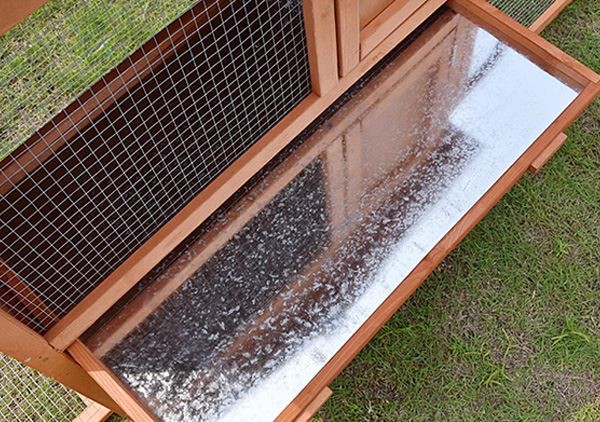

Security: In an urban area, you need to protect your chickens from predators like raccoons, foxes, and neighborhood cats. Use hardware cloth instead of chicken wire to cover the windows and vents of the coop. Make sure the coop has a secure door that can be locked at night.
Adding a Running Cage
If you have a little extra space, consider adding a Chicken Coop with Running Cage. A running cage gives your chickens some space to stretch their legs, forage, and get some exercise. You can attach the running cage to the side of the coop. Just make sure it's also secure and protected from predators.
Maintenance
Once your chicken coop is built, you need to keep it clean and well - maintained. Regularly remove the chicken droppings from the coop and replace the bedding. Check the coop for any signs of damage, such as loose boards or holes, and repair them immediately.
Conclusion
Building a chicken coop in an urban area is definitely doable. With the right planning, materials, and design, you can create a comfortable and secure home for your chickens. And if you need any help or have any questions, don't hesitate to reach out. As a chicken coop supplier, I'm here to assist you every step of the way. Whether you're looking for a pre - built coop or need advice on building your own, we can have a chat about your needs and see how we can make it happen. Let's get those urban chickens happy and healthy!
References
- "Storey's Guide to Raising Chickens" by Gail Damerow
- "The Chicken Chick's Guide to Backyard Chickens" by Kathy Shea Mormino