


Building a guinea pig house is an essential task for any guinea pig owner. It provides a safe, comfortable, and stimulating environment for these adorable pets. As a Guinea Pig House supplier, I'm here to guide you through the process of building a top - notch guinea pig house.
Understanding Guinea Pig Needs
Before you start building, it's crucial to understand the basic needs of your guinea pigs. Guinea pigs are social animals that need plenty of space to move around. They are also sensitive to extreme temperatures and drafts. A good guinea pig house should protect them from harsh weather conditions and provide a sense of security.
Guinea pigs are herbivores that spend a significant amount of time eating, so it's important to provide proper feeding areas. They also love to chew, which helps keep their teeth in good condition. Therefore, the materials used in the construction of the house should be safe for them to gnaw on.
Choosing the Right Location
The first step in building a guinea pig house is to choose the right location. If you're building an outdoor house, select a spot that is sheltered from direct sunlight, wind, and rain. The ground should be dry and well - drained. Keep the house away from potential predators such as cats, dogs, and birds of prey.
For an indoor house, pick a quiet area away from high - traffic areas and loud noises. Guinea pigs can be easily stressed by commotion, so a peaceful location is ideal. The temperature in the indoor area should be kept between 65 - 75°F (18 - 24°C).
Selecting Suitable Materials
There are various materials you can use to build a guinea pig house. Wood is a popular choice as it is natural and provides good insulation. However, not all woods are safe for guinea pigs. Avoid using treated woods or woods that are toxic, such as cedar and pine. Safe woods include aspen and untreated pine.
Plastic can also be used, especially for the bottom part of the cage to prevent urine and feces from seeping through. Metal grids can be used for the sides to allow proper ventilation. Hay can be used as bedding material, providing a soft and warm place for your guinea pigs to rest.
Designing the House
When designing the guinea pig house, consider the number of guinea pigs you have. As a general rule, each guinea pig needs at least 7.5 square feet of living space. The house should have separate areas for sleeping, eating, and playing.
The sleeping area can be a small enclosed space filled with soft bedding. You can create a nest box using a wooden or plastic container. The eating area should be easily accessible and large enough to hold food and water dishes. The playing area can be equipped with toys and tunnels to keep your guinea pigs entertained.
Building Step - by - Step
Let's go through the building process step by step. First, measure the area where you want to place the guinea pig house. Cut the wood pieces according to your design. If you're using a frame structure, assemble the wooden frame using screws or nails. Make sure the frame is sturdy.
Next, attach the plastic bottom to the frame. This can be done using adhesive or by creating a channel in the frame where the plastic can fit snugly. Then, install the metal grid sides. You can use wire mesh and secure it to the frame with zip ties or clips.
For the sleeping area, place the nest box inside the cage. Fill it with bedding material such as hay or shredded paper. Place the food and water dishes in the eating area. Finally, add toys and tunnels to the playing area.
Optional Upgrades
To make your guinea pig house even better, you can consider some optional upgrades. For example, you can install a ramp between different levels of the cage to create more vertical space. You can also add a hiding spot or two, such as small caves or wooden boxes.
If you want to provide a more natural environment, you can plant some safe herbs and grasses inside the cage. Just make sure they are non - toxic to guinea pigs.

Our Product Recommendations
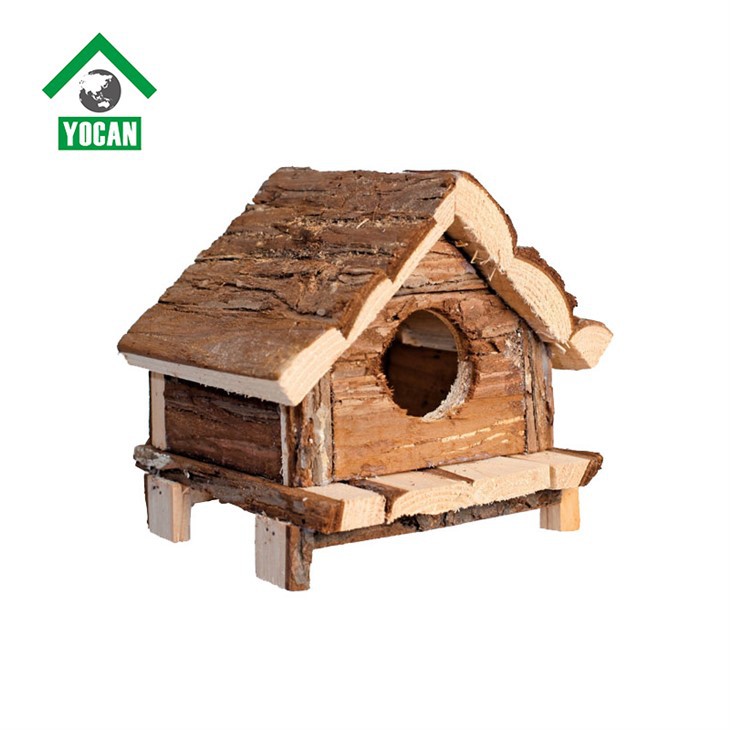
As a Guinea Pig House supplier, we offer a variety of high - quality guinea pig houses. Check out our Bark Wood Guinea Pig Train - Shaped House. It's made of safe bark wood and has a unique train shape that will surely delight your guinea pigs.
Our Guinea Pig Natural Bark House is another great option. It provides a natural and cozy environment for your pets. And if you're looking for something more extravagant, our Guinea Pig Castle House offers a spacious and luxurious living space for your guinea pigs.
Maintenance and Cleaning
Regular maintenance and cleaning are essential for the health of your guinea pigs. Clean the cage at least once a week. Remove all the bedding, food, and water dishes. Wash the cage with a mild detergent and rinse it thoroughly. Dry the cage completely before adding fresh bedding and returning your guinea pigs.
Check the water dish daily to make sure it's filled with clean water. Replace the food regularly to ensure its freshness. Inspect the house for any signs of damage, such as loose wires or broken wood, and repair them immediately.
Contact Us for More
If you're interested in purchasing our guinea pig houses or have any questions about building a guinea pig house, feel free to reach out. We are here to provide you with the best solutions for your guinea pig's living needs. Our team of experts can offer personalized advice based on your specific requirements. Whether you're a new guinea pig owner or an experienced one, we have the products and knowledge to help you create a perfect home for your furry friends.
References
- "The Guinea Pig Handbook" by Sharon Vanderlip
- "Guinea Pigs: Everything About Purchase, Care, Nutrition, Behavior, and Health" by Patricia A. Bartlett