


When it comes to choosing a pet house for your furry or feathered friend, one of the most crucial factors to consider is your pet's breed. Different breeds have unique characteristics, sizes, and behaviors that should influence your decision. As a pet house supplier, I've had the privilege of working with a wide range of pet owners, helping them find the perfect home for their beloved companions. In this blog post, I'll share some valuable insights on how to select the right pet house based on your pet's breed.
Understanding Your Pet's Breed Characteristics
The first step in choosing a pet house is to understand the specific traits of your pet's breed. For example, if you have a small breed dog like a Chihuahua or a Yorkshire Terrier, they will require a much smaller and more compact pet house compared to a large breed dog such as a Great Dane or a Saint Bernard. Smaller breeds often prefer cozy and enclosed spaces where they can feel safe and secure. On the other hand, larger breeds need spacious houses that allow them to move around comfortably without feeling cramped.
Cats also have breed - specific needs. For instance, long - haired breeds like the Persian cat may benefit from a pet house with good ventilation to prevent overheating and matting of their fur. Siamese cats, known for their high energy levels, might appreciate a multi - level cat tree or a house with plenty of climbing opportunities.
Size Matters
The size of your pet is directly related to the breed and is a primary consideration when choosing a pet house. A general rule of thumb is that the pet house should be large enough for your pet to stand up, turn around, and lie down comfortably. For dogs, measure your pet from the tip of their nose to the base of their tail and add a few inches for extra space. The height of the house should be at least as tall as your pet when they are standing on their hind legs.
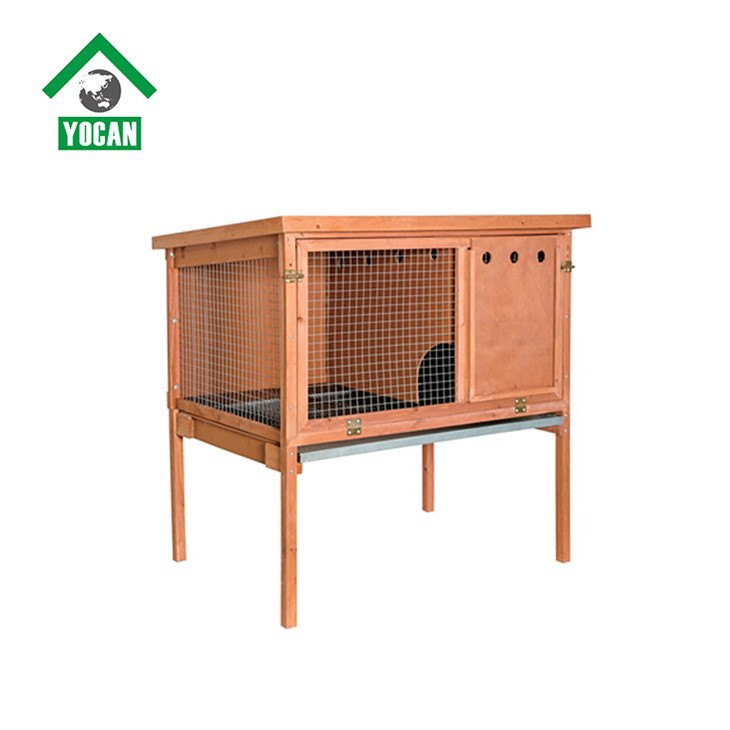
If you have a rabbit or a guinea pig, ensure that the house provides enough room for them to hop around, stretch, and rest. Rabbits are active animals that need space to exercise, so a large hutch or a Wooden Pet House with an attached run can be an excellent choice.
Climate and Environment
Another aspect to consider based on your pet's breed is the climate in which they will be living. Some breeds are more tolerant of cold weather, while others are better suited to warm climates. For example, Huskies and Malamutes have thick fur and are well - adapted to cold temperatures. They can benefit from a well - insulated pet house that protects them from the cold wind and snow.
On the contrary, breeds like the Greyhound have a thin coat and are more sensitive to cold. In warmer climates, they may need a pet house with good ventilation and shade. For pets living in humid environments, a pet house made of materials that resist moisture, such as treated wood or plastic, is essential to prevent the growth of mold and mildew.
Activity Level
The activity level of your pet's breed is also an important factor. High - energy breeds like Border Collies and Jack Russell Terriers need a lot of mental and physical stimulation. A pet house that is part of a larger play area or has built - in toys can keep them entertained. These breeds may also enjoy a house with multiple entrances and exits, allowing them to explore their surroundings freely.
Low - energy breeds, such as Bulldogs or Basset Hounds, prefer a more relaxed environment. A simple and comfortable pet house in a quiet corner of the yard may be sufficient for them. They may not require as much space for running around but still need a cozy place to rest.
Safety and Security
Regardless of the breed, safety and security are paramount when choosing a pet house. Make sure the house is made of non - toxic materials and has no sharp edges or protruding nails that could harm your pet. For dogs, especially those that are prone to chewing, a sturdy and durable pet house is necessary.
If you have a cat that likes to roam outdoors, ensure that the cat house has a secure entrance to protect them from predators. For small animals like hamsters or gerbils, the house should have a secure lid to prevent them from escaping.
Design and Features
The design and features of the pet house can also be tailored to your pet's breed. Some breeds may prefer a house with a sloped roof to prevent water from pooling during rain. Others may benefit from a raised floor to keep them dry and away from cold or damp ground.
For birds, a pet house should have enough perches at different heights and sizes to accommodate their feet. It should also have a large enough opening for easy access to food and water.
Maintenance and Cleanliness
Maintenance is an important consideration, especially for long - term pet ownership. Different breeds may have different levels of messiness. For example, dogs that shed a lot, like Golden Retrievers, may require a pet house that is easy to clean. A house with removable panels or a washable interior can make the cleaning process much easier.
Rabbits and guinea pigs produce a significant amount of waste, so a pet house with a removable tray for waste collection is ideal. This helps to keep the living environment clean and hygienic for your pet.
Compatibility with Multiple Pets
If you have multiple pets of different breeds, you need to choose a pet house that can accommodate all of them comfortably. For example, if you have a dog and a cat living together, the pet house should have separate areas for each animal to ensure their privacy and safety.
Some breeds are more social than others. For instance, some dog breeds like Labrador Retrievers are friendly and may enjoy sharing a house with other dogs. However, other breeds may be more territorial and need their own space.
Cost and Budget
Finally, cost is a factor that cannot be ignored. As a pet house supplier, I understand that different pet owners have different budgets. There are pet houses available at various price points, from basic and affordable models to high - end, luxury options.
While it's important to stay within your budget, remember that investing in a high - quality pet house can save you money in the long run. A well - built and durable pet house will last longer and require less frequent replacement.
In conclusion, choosing the right pet house based on your pet's breed is a decision that requires careful consideration. By taking into account your pet's size, activity level, climate needs, and other breed - specific factors, you can ensure that your pet has a comfortable and safe living environment. As a pet house supplier, I'm here to help you find the perfect pet house for your furry or feathered friend. If you're interested in learning more about our products or have any questions about choosing the right pet house, please feel free to contact us for a procurement discussion.
References
- American Kennel Club (AKC). Breed profiles and care guides.
- Cat Fanciers' Association (CFA). Information on cat breeds and their needs.
- Rabbit Welfare Association and Fund. Guidelines for rabbit housing.