


As a dedicated supplier of squirrel houses, I understand the importance of providing a safe and healthy living environment for our furry friends. One crucial aspect of ensuring their well - being is choosing non - toxic paint for squirrel houses. In this blog, I'll share some key considerations and tips to help you make the right choice.
Understanding the Risks of Toxic Paints
Before delving into the selection process, it's essential to understand why non - toxic paint is a must for squirrel houses. Many conventional paints contain harmful chemicals such as lead, mercury, and volatile organic compounds (VOCs). Lead is a heavy metal that can cause neurological damage, especially in young and developing squirrels. Mercury can disrupt the endocrine system and cause long - term health problems. VOCs, on the other hand, are chemicals that can evaporate into the air at room temperature. They can cause respiratory irritation, headaches, and even more severe health issues over time.
Squirrels are curious animals. They may chew on the painted surfaces of their houses, lick the paint, or inhale the fumes. Exposure to toxic paints can have a detrimental impact on their health, ranging from mild discomfort to life - threatening conditions. Therefore, using non - toxic paint is not just a preference but a responsibility for anyone who cares about the welfare of squirrels.
Types of Non - Toxic Paints
Milk Paint
Milk paint is a natural and eco - friendly option for painting squirrel houses. It is made from milk protein (casein), lime, and natural pigments. Milk paint has been used for centuries and is known for its low toxicity. It doesn't contain VOCs, heavy metals, or other harmful chemicals. It has a unique, matte finish that can give the squirrel house a rustic look. Milk paint is also breathable, which means it allows the wood to expand and contract with changes in temperature and humidity, preventing cracking and peeling.
Water - Based Latex Paint
Water - based latex paints are another popular choice for non - toxic painting. They are made with water as the solvent, which significantly reduces the amount of VOCs released into the air. High - quality water - based latex paints are formulated without lead, mercury, and other heavy metals. They are available in a wide range of colors and finishes, from glossy to satin. Water - based latex paints are also easy to clean up with just soap and water, making them a convenient option for both the painter and the environment.
Natural Oil - Based Paints
Natural oil - based paints are derived from plant oils such as linseed oil, soybean oil, or tung oil. These paints are non - toxic and have a long - lasting finish. They penetrate the wood, providing a protective layer that resists moisture and wear. Natural oil - based paints dry slowly, which allows for better application and a more even finish. However, they may require more ventilation during the drying process as they can emit a mild odor.
Factors to Consider When Choosing Non - Toxic Paint
Durability
Squirrel houses are exposed to the elements, including rain, snow, and sunlight. Therefore, the paint you choose should be durable enough to withstand these conditions. Look for paints that are labeled as weather - resistant or exterior - grade. These paints are formulated to resist fading, cracking, and peeling over time. For example, some water - based latex paints are specifically designed for outdoor use and can provide long - lasting protection for squirrel houses.
Color and Aesthetics
While the safety of the paint is the top priority, you may also want to consider the color and aesthetics of the squirrel house. Choose colors that blend in with the natural environment, such as earth tones like brown, green, or gray. These colors can provide camouflage for the squirrels, making them feel more secure. Additionally, a well - painted squirrel house can enhance the overall appearance of your garden or backyard.
Ease of Application
If you're not an experienced painter, you'll want to choose a paint that is easy to apply. Water - based latex paints are generally easier to work with than oil - based paints. They have a shorter drying time, which means you can apply multiple coats in a single day. Milk paint is also relatively easy to apply, but it may require some practice to achieve a smooth finish.
Cost
Cost is always a factor to consider when making a purchase. Non - toxic paints can vary in price depending on the brand, type, and quantity. While some natural and eco - friendly paints may be more expensive than conventional paints, they offer long - term benefits in terms of the health of the squirrels and the environment. Consider your budget and the quality of the paint when making a decision.
Our Squirrel House Offerings
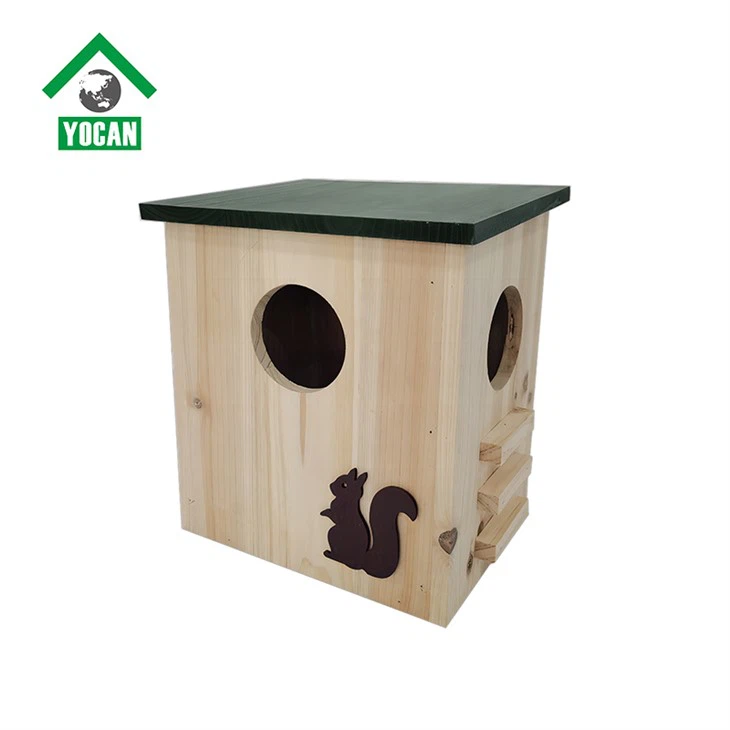
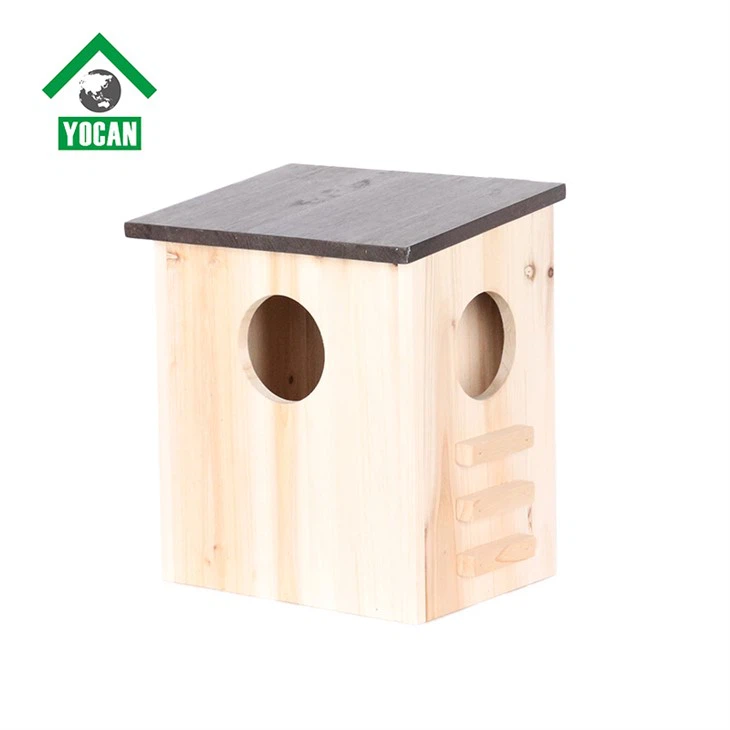
At our company, we offer a variety of squirrel houses, including Outdoor Squirrel House and Wooden Squirrel House. We understand the importance of using non - toxic paint, and all our squirrel houses are painted with high - quality, non - toxic paints. Our outdoor squirrel houses are designed to withstand the elements, while our wooden squirrel houses provide a warm and cozy home for squirrels.
Tips for Painting a Squirrel House
Prepare the Surface
Before painting, make sure the surface of the squirrel house is clean and dry. Sand the wood lightly to remove any rough spots or splinters. This will help the paint adhere better to the surface. If there are any cracks or holes in the wood, fill them with a non - toxic wood filler and sand them smooth once they are dry.
Apply Primer (Optional)
Applying a primer can help the paint adhere better and provide an extra layer of protection. Choose a non - toxic primer that is compatible with the type of paint you're using. Apply the primer according to the manufacturer's instructions and let it dry completely before applying the paint.
Apply the Paint
When applying the paint, use a high - quality brush or roller. Start with a thin coat and let it dry completely before applying additional coats. This will ensure a smooth and even finish. Make sure to paint all the surfaces of the squirrel house, including the inside, to provide maximum protection.
Let the Paint Cure
After painting, let the squirrel house cure for at least a few days before placing it outside. This will allow the paint to fully dry and harden, reducing the risk of the squirrels coming into contact with wet paint.
Conclusion
Choosing non - toxic paint for a squirrel house is a crucial step in providing a safe and healthy living environment for these adorable animals. By understanding the risks of toxic paints, considering the different types of non - toxic paints available, and taking into account factors such as durability, color, ease of application, and cost, you can make an informed decision. At our company, we are committed to providing high - quality squirrel houses painted with non - toxic paints. If you're interested in purchasing our squirrel houses or have any questions about non - toxic painting, please feel free to contact us for further discussion and potential procurement.
References
- "The Complete Guide to Non - Toxic Paints" by Green Building Advisor
- "Milk Paint: A Natural and Sustainable Option" by The Spruce Crafts
- "Water - Based Latex Paints: Properties and Applications" by Paint Quality Institute