




Title: How to Make a Pet Hutch More Stimulating for Pets?
As a pet hutch supplier, I've witnessed firsthand the positive impact a well - designed and stimulating pet hutch can have on our furry friends' well - being. A stimulating environment not only keeps pets happy but also promotes their physical and mental health. In this blog post, I'll share some effective ways to transform an ordinary pet hutch into an exciting and engaging space for your pets.
1. Incorporate Vertical Space
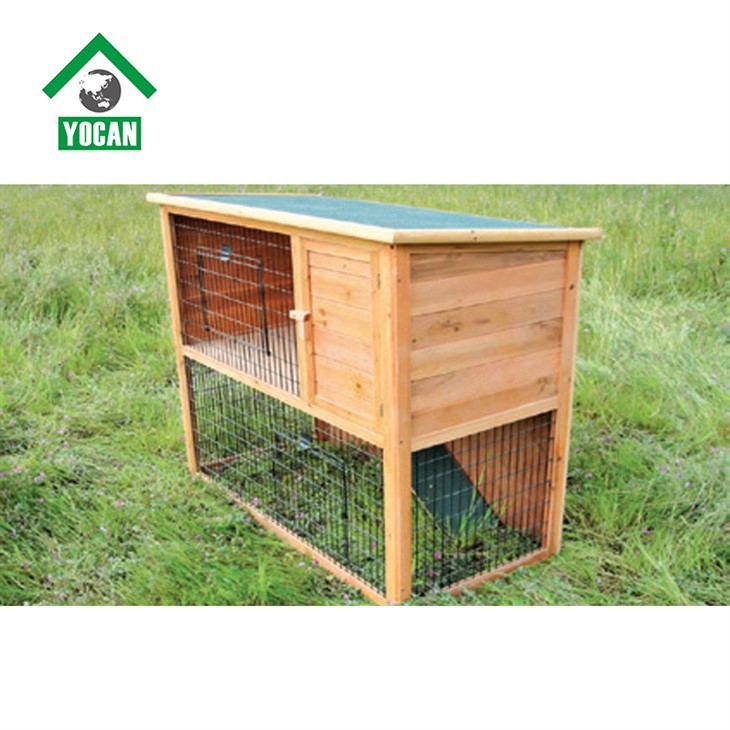
Pets, whether rabbits, guinea pigs, or small chickens, can benefit greatly from vertical space in their hutch. By adding multiple levels, you create more room for exploration, play, and rest. For instance, our 2 Stories Pet Hutch provides an ideal setup. The upper level can serve as a quiet resting area, away from the hustle and bustle of the lower level. This not only gives pets a sense of security but also encourages them to exercise by climbing up and down the ramp.
2. Add Hideaways and Tunnels
Pets have an innate need to feel safe and secure. Adding hideaways and tunnels in the hutch can fulfill this need while also adding an element of fun. You can use PVC pipes to create tunnels, or small wooden boxes as hideaways. These structures give pets a place to retreat to when they feel stressed or want some alone time. They can also turn the tunnels into a game of chase, which is great for their physical activity.
3. Provide Interactive Toys
Just like human beings, pets get bored easily without proper stimulation. Interactive toys are a great way to keep them engaged. For small mammals, you can place chew toys made of wood or hay. These not only keep their teeth healthy but also provide a source of entertainment. Balls filled with treat can also be introduced into the hutch. As the pet rolls the ball around, the treats come out, rewarding them for their play. This type of toy encourages problem - solving skills and keeps them occupied for hours.
4. Create a Foraging Area
In the wild, pets spend a significant portion of their day foraging for food. You can mimic this natural behavior in the hutch by creating a foraging area. Scatter some food pellets or fresh greens in the bedding or hide them in small containers. This forces the pets to use their sense of smell and search for their food. It not only provides mental stimulation but also encourages physical activity as they move around the hutch looking for the hidden treats.
5. Rotate Decorations and Toys Regularly
Pets can quickly get used to their environment, and what was once exciting can become mundane. To combat this, it's a good idea to rotate the decorations and toys in the hutch regularly. For example, you can swap out one set of chew toys for another every week. This keeps the hutch feeling new and interesting, and maintains the pets' interest in exploring their living space.
6. Introduce Natural Elements
Bringing a bit of the outdoors into the hutch can have a profound impact on the pets' well - being. You can add some non - toxic plants, such as dandelion greens or parsley. These not only provide a source of fresh food but also add a natural and inviting look to the hutch. Additionally, you can place a small piece of untreated wood or a large rock. This gives the pets something to scratch on and provides a different texture to their environment.
7. Ensure Adequate Lighting and Ventilation
A poorly lit and stuffy hutch can lead to a lethargic and unhappy pet. Ensure that the hutch has adequate natural or artificial lighting. Natural light is great for regulating the pet's internal clock and can improve their mood. At the same time, good ventilation is essential to keep the air fresh and prevent the buildup of harmful bacteria and odors. You can install small vents in the hutch or place it in an area with good air circulation.
8. Provide Social Opportunities
If you have multiple pets, make sure they have enough space to interact with each other in the hutch. Social interaction is crucial for their mental and emotional health. However, be careful not to overcrowd the hutch, as this can lead to stress and aggression. Observe your pets' behavior to ensure that they are getting along well and are not being bullied.
9. Customize Based on the Pet's Species
Different pets have different needs and preferences. For example, rabbits are more active and need more space to hop around, while guinea pigs are more likely to prefer hiding and snuggling. When designing the hutch, take into account the specific characteristics of the pet. Research the natural behaviors of your pet species and try to replicate those in the hutch design.
10. Keep It Clean
A clean hutch is a happy hutch. Regularly clean the bedding, remove any uneaten food, and disinfect the surfaces. A dirty environment can not only lead to health problems for the pets but also make the hutch an unappealing place to be. A clean and fresh - smelling hutch will encourage the pets to explore and play.
In conclusion, making a pet hutch more stimulating is not only beneficial for the pets but also a rewarding experience for the pet owners. By following these tips, you can create an environment that promotes your pet's physical and mental health. As a pet hutch supplier, I'm committed to providing high - quality products that can be easily customized to meet these stimulation needs. If you're interested in purchasing a pet hutch or have any questions about how to make it more stimulating for your pets, feel free to reach out for a procurement discussion.
References
- "The Welfare of Rabbits in Captivity" by Animal Welfare Science Centre
- "Guinea Pig Care: A Complete Guide" by Small Animal Veterinary Association
- "Chicken Husbandry and Well - being" by Poultry Science Journal