


Hey there, fellow pet lovers! As a supplier of pet houses, I've seen my fair share of pest problems in pet houses. It's a real headache, isn't it? Pests can not only make your furry friends uncomfortable but also pose health risks. In this blog, I'm gonna share some practical tips on how to prevent pests in a pet house.
Keep the Pet House Clean
The first and most important step in pest prevention is to keep the pet house clean. Pests are attracted to dirt, food crumbs, and waste. So, make sure to clean the pet house regularly.
- Daily Spot Cleaning: Every day, take a few minutes to pick up any visible waste, like poop or uneaten food. This simple task can go a long way in reducing the chances of pests finding a reason to hang around.
- Weekly Deep Cleaning: Once a week, give the entire pet house a thorough cleaning. Remove all the bedding, toys, and other items. Wash them with hot, soapy water. Then, use a pet - safe disinfectant to clean the floors, walls, and surfaces of the pet house. Rinse well and let it dry completely before putting everything back.
Seal Entry Points
Pests can enter the pet house through small cracks, holes, or gaps. You need to seal these entry points to keep them out.
- Inspect Regularly: Walk around the pet house and look for any openings. Check the corners, edges, and areas where pipes or wires enter the house. Even a tiny hole can be an invitation for pests like mice or insects.
- Use Sealants: For small cracks, you can use caulk. It's easy to apply and dries quickly. For larger holes, you might need to use a more heavy - duty material like wood filler or metal mesh. Make sure the sealant is pet - safe and won't cause any harm if your pet chews on it.
Proper Food Storage
Food is a major attractant for pests. If you don't store your pet's food properly, you're basically setting up a buffet for pests.
- Use Airtight Containers: Instead of leaving the pet food in the original bag, transfer it to an airtight container. This will not only keep the food fresh but also prevent pests from getting to it. There are many different types of airtight containers available on the market, so you can choose one that suits your needs and budget.
- Clean Up Spills Immediately: If your pet spills some food, clean it up right away. Don't let it sit there, as it can attract ants, cockroaches, and other pests.
Control the Surroundings
The area around the pet house can also have an impact on pest prevention.
- Trim Vegetation: Keep the grass, bushes, and trees around the pet house trimmed. Overgrown vegetation can provide hiding places for pests. It can also make it easier for pests to access the pet house.
- Remove Standing Water: Pests like mosquitoes breed in standing water. So, make sure there are no puddles or containers with stagnant water near the pet house. Check for things like flower pots, buckets, or low - lying areas that might collect water.
Choose the Right Pet House
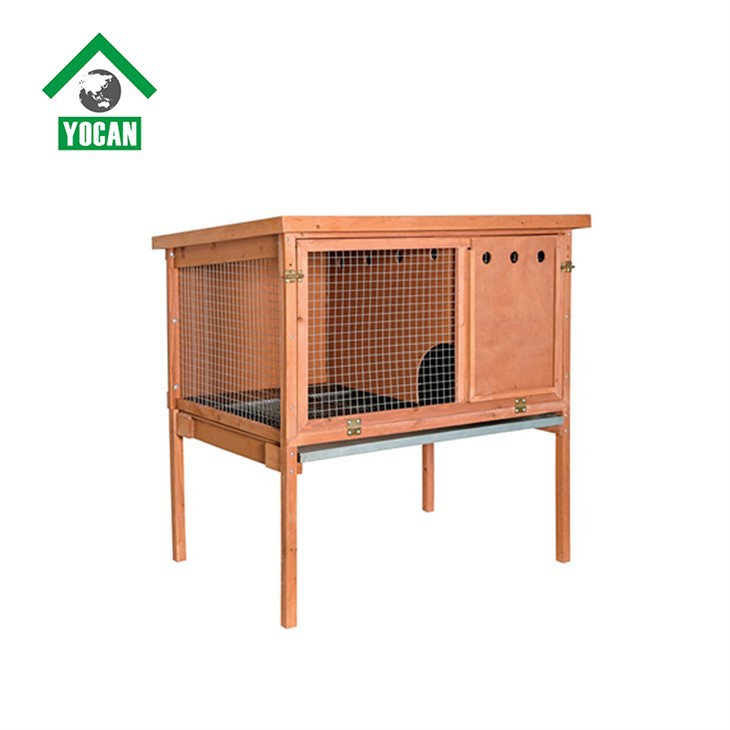
The type of pet house you choose can also play a role in pest prevention. A Wooden Pet House can be a great option.
- Good Ventilation: A well - ventilated pet house helps keep the air fresh and dry. Moisture can attract pests, so proper ventilation is essential. Wooden pet houses often have natural ventilation through the wood's pores, which can help reduce humidity inside the house.
- Durable Material: Wood is a durable material that can withstand wear and tear. It's also less likely to have cracks or holes compared to some other materials. This makes it harder for pests to enter the house.
Use Natural Pest Repellents
If you're looking for a more natural way to prevent pests, there are several options available.
- Essential Oils: Some essential oils, like lavender, peppermint, and eucalyptus, have pest - repellent properties. You can dilute a few drops of these oils in water and spray the solution around the pet house. However, make sure to test a small area first to make sure your pet doesn't have any allergic reactions.
- Diatomaceous Earth: Diatomaceous earth is a natural powder made from the fossilized remains of diatoms. It can be sprinkled around the perimeter of the pet house. When pests come into contact with it, the powder damages their exoskeletons, causing them to dehydrate and die.
Regular Inspections
Even if you're doing all the right things, it's still a good idea to inspect the pet house regularly for signs of pests.
- Look for Signs: Check for things like droppings, gnaw marks, or nests. If you notice any of these signs, take action immediately. The earlier you catch a pest problem, the easier it will be to solve.
- Check Your Pet: Also, keep an eye on your pet. If they seem itchy, are scratching a lot, or have any other unusual behavior, it could be a sign of a pest infestation.
Conclusion
Preventing pests in a pet house is all about being proactive. By keeping the house clean, sealing entry points, storing food properly, controlling the surroundings, choosing the right pet house, using natural pest repellents, and doing regular inspections, you can create a pest - free environment for your beloved pets.
If you're interested in our pet houses, including the Wooden Pet House, and want to know more about our products or start a procurement negotiation, feel free to reach out. We're always happy to help you find the perfect pet house for your furry friends.
References
- "Pet Health and Hygiene" - A guidebook on pet care and maintenance.
- "Pest Control for Pet Owners" - An online resource that provides information on pest prevention in pet - related areas.