




Training your cat to use a plush cat tree can be a rewarding experience for both you and your feline friend. As a supplier of high-quality plush cat trees, I've seen firsthand the benefits these structures bring to cats and their owners. In this blog post, I'll share some tips and strategies to help you train your cat to use a plush cat tree effectively.
Understanding Your Cat's Behavior
Before you start training your cat to use a plush cat tree, it's important to understand your cat's natural behavior. Cats are instinctively drawn to high places, as they provide a sense of security and a vantage point to observe their surroundings. They also enjoy scratching, climbing, and exploring. A plush cat tree combines all these elements, making it an ideal addition to your cat's environment.
However, every cat is unique, and some may take to the cat tree right away, while others may need more time and encouragement. It's essential to be patient and let your cat explore the cat tree at its own pace.
Choosing the Right Plush Cat Tree
The first step in training your cat to use a plush cat tree is selecting the right one for your cat's needs and preferences. Consider the following factors when choosing a cat tree:

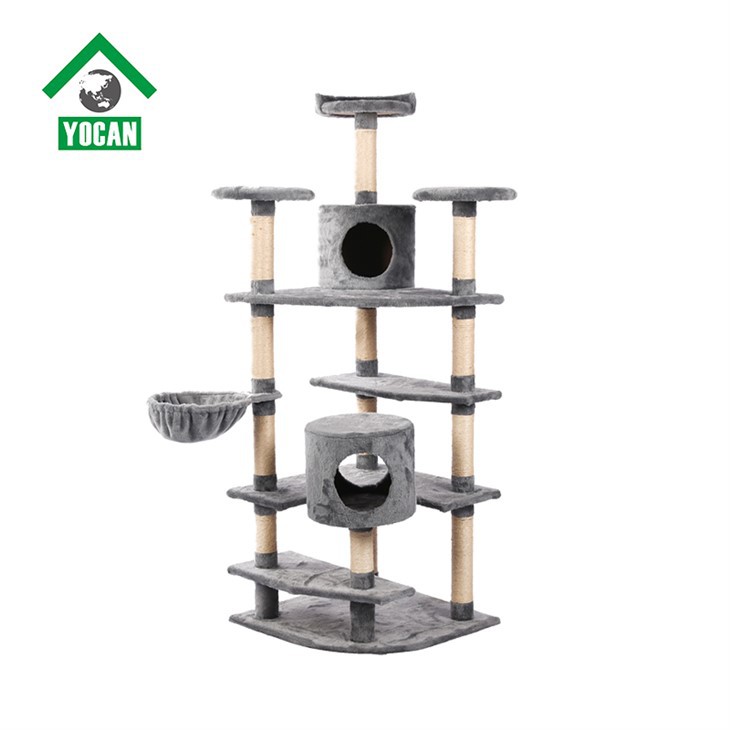
- Size and Height: The cat tree should be tall enough for your cat to climb and perch comfortably. A larger cat tree will provide more space for your cat to move around and play. You can check out our Large Plush Cat Tree for a spacious option.
- Stability: Make sure the cat tree is stable and won't tip over when your cat climbs on it. Look for a cat tree with a wide base and sturdy construction.
- Materials: Choose a cat tree made of high-quality materials that are safe for your cat. Plush materials are soft and comfortable for your cat to rest on, while sisal rope or cardboard scratching posts are great for satisfying your cat's scratching needs.
- Features: Consider the features of the cat tree, such as platforms, hiding spots, and toys. These features will make the cat tree more appealing to your cat and encourage them to use it. Our Plush Cat Tree Tower and Plush Cat Tree House offer a variety of features to keep your cat entertained.
Introducing the Cat Tree to Your Cat
Once you've chosen the right cat tree, it's time to introduce it to your cat. Follow these steps to make the introduction as smooth as possible:
- Place the Cat Tree in a Quiet Area: Choose a quiet area in your home where your cat feels safe and comfortable. Avoid placing the cat tree in a high-traffic area or near noisy appliances.
- Let Your Cat Explore the Cat Tree: Allow your cat to explore the cat tree on its own. Don't force your cat to use the cat tree or pick them up and place them on it. Let your cat approach the cat tree at its own pace and sniff it out.
- Encourage Your Cat with Treats and Toys: Place some treats or toys on the cat tree to encourage your cat to climb up and explore. You can also use a catnip toy to attract your cat to the cat tree.
- Use Positive Reinforcement: When your cat uses the cat tree, praise them and give them a treat. Positive reinforcement will help your cat associate the cat tree with positive experiences and encourage them to use it more often.
Training Your Cat to Use the Cat Tree
Once your cat is comfortable exploring the cat tree, you can start training them to use it for specific activities, such as scratching and climbing. Here are some tips to help you train your cat:
- Scratching: Cats scratch to mark their territory, stretch their muscles, and keep their claws healthy. To train your cat to use the scratching posts on the cat tree, place the cat tree near areas where your cat likes to scratch, such as furniture or curtains. Encourage your cat to scratch the posts by rubbing catnip on them or using a scratching toy. When your cat scratches the posts, praise them and give them a treat.
- Climbing: Cats love to climb and explore high places. To train your cat to climb the cat tree, place some treats or toys on the platforms and encourage your cat to climb up to get them. You can also use a laser pointer to lead your cat up the cat tree. When your cat reaches the top, praise them and give them a treat.
- Resting: Cats need a comfortable place to rest and sleep. To train your cat to use the plush platforms on the cat tree, place a soft blanket or pillow on the platforms. Encourage your cat to rest on the platforms by placing some treats or toys on them. When your cat rests on the platforms, praise them and give them a treat.
Maintaining the Cat Tree
To keep your cat tree in good condition and ensure your cat's safety, it's important to maintain it regularly. Here are some tips to help you maintain the cat tree:
- Clean the Cat Tree: Vacuum the cat tree regularly to remove dirt, hair, and debris. You can also spot clean the plush materials with a mild detergent and water.
- Inspect the Cat Tree: Check the cat tree regularly for any signs of damage, such as loose parts or frayed ropes. If you notice any damage, repair or replace the cat tree immediately.
- Replace the Scratching Posts: The scratching posts on the cat tree will wear out over time. Replace the scratching posts when they become too worn or damaged to ensure your cat has a safe and effective place to scratch.
Conclusion
Training your cat to use a plush cat tree takes time and patience, but it's a rewarding experience for both you and your cat. By understanding your cat's behavior, choosing the right cat tree, introducing it to your cat properly, and training them to use it, you can provide your cat with a safe and stimulating environment. As a supplier of high-quality plush cat trees, we're committed to providing you with the best products and support to help you train your cat. If you have any questions or would like to learn more about our products, please don't hesitate to contact us. We look forward to helping you and your cat enjoy the benefits of a plush cat tree.
References
- Overall, K. L. (2013). Clinical Behavior Medicine for Small Animals. Elsevier Health Sciences.
- Turner, D. C., & Bateson, P. (2000). The Domestic Cat: The Biology of its Behaviour. Cambridge University Press.