


Is it difficult to make a DIY pet hutch?
As a pet hutch supplier, I often encounter customers who are torn between buying a pre - made pet hutch and embarking on a do - it - yourself (DIY) project. The question of whether it is difficult to make a DIY pet hutch is a valid one, and in this blog, I'll explore the various aspects to help you make an informed decision.
Understanding the Basics of a Pet Hutch
Before delving into the difficulty level, it's essential to understand what a pet hutch is. A pet hutch is a shelter designed for small animals such as rabbits, guinea pigs, or chickens. It provides a safe and comfortable living space, protecting them from the elements and potential predators. A well - designed hutch should have proper ventilation, a dry and clean area for sleeping, and enough space for the pet to move around.
The Skill Set Required
Making a DIY pet hutch requires a certain set of skills. Basic carpentry skills are a must. You need to be able to measure accurately, cut wood to the right size, and join pieces together securely. If you've never used tools like saws, hammers, and drills before, this can be a significant challenge. For instance, cutting a piece of wood at a precise angle for a sloping roof can be tricky if you're not experienced.
Knowledge of animal behavior is also important. Different animals have different needs. Rabbits, for example, are active animals that need plenty of space to hop around and stretch. So, when designing the hutch, you need to ensure there is enough room for them to move freely. Chickens, on the other hand, need a nesting area and proper ventilation to prevent the build - up of ammonia from their droppings.
Gathering Materials
One of the first steps in a DIY project is gathering the materials. You'll need wood, which can come in various types such as pine, cedar, or plywood. Pine is a popular choice because it is relatively inexpensive and easy to work with. However, it may not be as durable as cedar, which is naturally resistant to rot and insects.
In addition to wood, you'll need hardware such as nails, screws, hinges, and latches. You also need to consider the bedding material for the pet. Straw, hay, or wood shavings can be used, but each has its pros and cons. Straw is warm but can be messy, while wood shavings are absorbent but may cause respiratory problems if not of good quality.
Finding the right materials can be time - consuming. You may need to visit multiple hardware stores to get everything you need, and you also need to ensure that the materials are of good quality. Low - quality wood may break easily, and cheap hardware may not hold up over time.
Designing the Hutch
Designing the pet hutch is another crucial step. You need to plan the layout, taking into account the size of the pet, the number of pets that will be living in the hutch, and the available space in your yard. A simple single - story hutch may be easier to design and build, but if you have multiple pets or want to provide more space, you might consider a multi - story hutch.
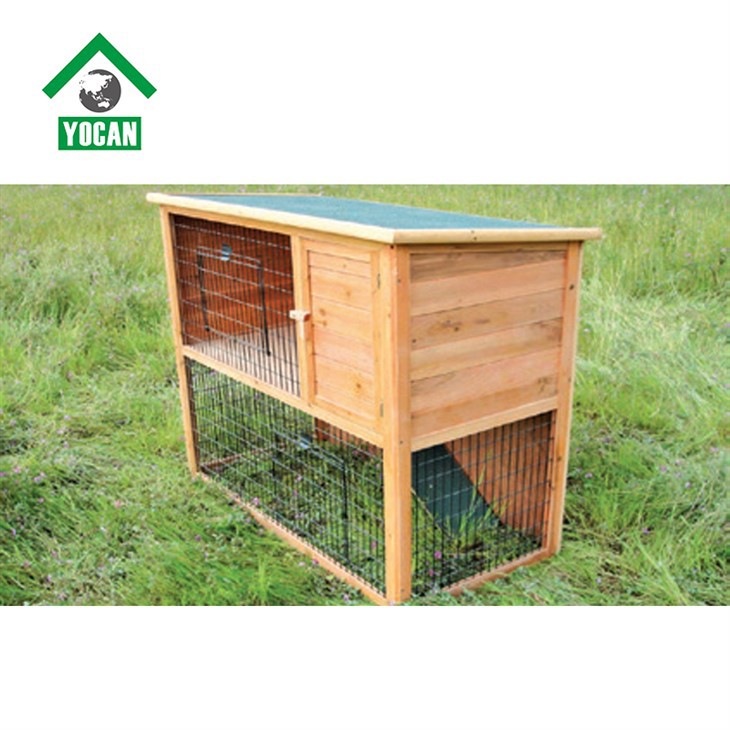
For example, the 2 Stories Pet Hutch offers more vertical space, allowing the pets to have separate areas for sleeping, eating, and playing. However, designing a two - story hutch requires more advanced planning. You need to ensure that the structure is stable and that there is a safe way for the pets to move between the floors.
Building the Hutch
Once you have the design and materials ready, it's time to start building. This is where the real work begins. Assembling the frame is usually the first step. You need to make sure the corners are square and the frame is level. Any mistakes at this stage can lead to problems later on, such as a wobbly hutch.
Attaching the walls, roof, and floor also requires precision. You need to ensure that the joints are tight to prevent drafts and keep the pet safe from predators. Installing doors and windows is another important part of the process. They need to open and close smoothly and be secure enough to keep the pet inside.
Finishing touches are also important. You may need to sand the wood to make it smooth and prevent splinters, and you can paint or stain the hutch to protect it from the elements. However, you need to use pet - safe paints and stains to avoid any health risks to the animals.
Comparing DIY with Buying
When considering whether to make a DIY pet hutch or buy one, there are several factors to consider. Making a DIY hutch can be a rewarding experience. It allows you to customize the hutch according to your pet's specific needs and your personal preferences. You can also save money if you have access to inexpensive materials and already own the necessary tools.
However, buying a pre - made pet hutch has its advantages. It is usually quicker and more convenient. You don't have to worry about gathering materials or dealing with the construction process. Pre - made hutches are also often designed by professionals, so they are likely to be more structurally sound and meet safety standards.
Conclusion
So, is it difficult to make a DIY pet hutch? The answer depends on your skill level, the complexity of the design, and the amount of time and effort you're willing to invest. If you have basic carpentry skills, some knowledge of animal behavior, and the patience to work through the various steps, it can be a manageable project. However, if you're short on time or lack the necessary skills, buying a pre - made pet hutch may be a better option.
If you're still interested in exploring the DIY route or are considering purchasing a high - quality pet hutch, I'd love to have a conversation with you. Our team of experts can provide you with more information, offer advice on design and materials, and help you make the best decision for your furry or feathered friends. Reach out to us to start the procurement discussion and find the perfect solution for your pet's housing needs.
References
- "The Rabbit House: A Complete Guide to Raising Rabbits" by R. D. Lockley
- "Chicken Coop Plans: Build a Safe and Comfortable Home for Your Chickens" by Patricia Foreman