


As a supplier of pet houses, I've had the privilege of delving deep into the world of pet comfort. Over the years, I've witnessed firsthand the diverse needs of our furry, feathered, and scaly friends. In this blog, I'll explore the various comfort levels in a pet house, shedding light on what makes a dwelling truly cozy for our beloved companions.
Temperature Regulation
One of the most critical factors in a pet's comfort is temperature. Just as humans prefer a comfortable climate, pets also need an environment that keeps them neither too hot nor too cold. For example, dogs and cats are sensitive to extreme temperatures. In the summer, a well - ventilated pet house is essential. A pet house with proper air circulation can prevent heatstroke and keep the interior cool. This can be achieved through the use of vents or mesh panels.
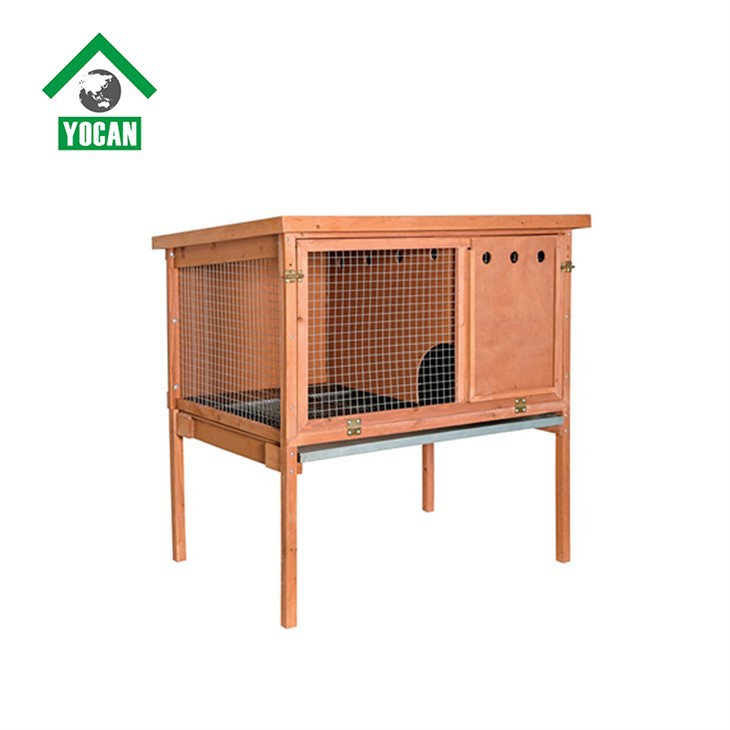
On the other hand, during the winter, insulation becomes key. A Wooden Pet House is an excellent choice as wood is a natural insulator. It helps to retain heat inside the house, providing a warm haven for pets. For small animals like rabbits and guinea pigs, a thick layer of bedding can also contribute to temperature regulation. They can burrow into the bedding, creating a micro - environment that is warmer than the surrounding air.
Space and Layout
The amount of space available in a pet house is another crucial aspect of comfort. A cramped space can lead to stress and behavioral problems in pets. Larger dogs, for instance, need ample space to move around, lie down, and stretch. A pet house that is too small may cause them to feel restricted, making them anxious.
The layout of the pet house also matters. It should have separate areas for sleeping, eating, and using the bathroom (if applicable). For example, in a cat house, it's beneficial to have a raised sleeping area, which gives cats a sense of security and a good vantage point. This mimics their natural behavior in the wild, where they like to be in high places. For multi - pet households, the layout should allow for some privacy. Different pets may have different personalities, and having separate areas can prevent conflicts.
Bedding and Furniture
The quality of bedding in a pet house can significantly impact its comfort level. Soft, clean, and odor - free bedding is a must. For dogs and cats, a plush mattress or a blanket can provide a comfortable place to rest. The bedding should be washed regularly to prevent the buildup of dirt, hair, and bacteria.
For small pets like hamsters and gerbils, bedding materials such as shredded paper or aspen shavings are popular choices. These materials are absorbent and provide a soft surface for them to move around on. In addition to bedding, including some furniture in the pet house can enhance comfort. For example, a cat tree in a cat house gives cats a place to climb, scratch, and play. For birds, perches of different sizes and textures are essential. They help to keep the birds' feet healthy and provide entertainment.
Noise and Light
Pets are sensitive to noise and light. A quiet environment is crucial for their well - being. Excessive noise can cause stress and anxiety in pets. When designing a pet house, it's important to consider the location and construction materials to minimize noise from the outside. For example, a pet house built with sound - insulating materials can help to reduce the impact of traffic noise or other loud sounds.
Lighting also plays a role in a pet's comfort. Some pets, like nocturnal animals, prefer a darker environment during the day. For example, ferrets are more active at night and need a place to sleep in a dimly lit area during the day. On the other hand, diurnal animals like birds need exposure to natural light to maintain their circadian rhythm. A pet house with a window or a skylight can provide the necessary light for these animals.
Safety and Hygiene
Safety is a top priority when it comes to pet houses. The materials used in the construction of the pet house should be non - toxic and free from sharp edges. For example, if using wood, it should be treated with pet - friendly finishes. The structure should also be sturdy enough to withstand the activities of the pets inside.
Hygiene is equally important. A clean pet house reduces the risk of diseases and parasites. Regular cleaning of the pet house, including the removal of waste and the washing of bedding, is essential. For example, in a fish tank (which can also be considered a type of pet house), water quality should be monitored regularly. Filters and water changes are necessary to keep the water clean and healthy for the fish.
Social and Sensory Stimulation
Pets are social beings, and providing some form of social interaction and sensory stimulation within the pet house can enhance their comfort. For example, in a multi - pet household, the pets can interact with each other, which can reduce boredom and loneliness. In addition, adding toys and objects that stimulate the senses can be beneficial.
For dogs, chew toys can keep them occupied and help to maintain their dental health. For cats, toys such as balls with bells or feather wands can provide entertainment. For small animals, tunnels and hideaways can add an element of fun and exploration.
When considering the comfort levels in a pet house, it's clear that there are multiple factors to take into account. At our company, we understand the importance of creating a pet house that meets all these criteria. Our Wooden Pet House and other products are designed with the comfort and well - being of pets in mind.
If you're interested in providing the best for your pets or looking for high - quality pet houses for your business, we'd love to connect with you. We're open to discussions about purchasing and customization options to ensure that the pet houses you get are perfect for your specific needs.
References
- Overall, K. L. (2013). Clinical behavior medicine for small animals. Elsevier Health Sciences.
- Olsson, I. A., & Dahlborn, K. (2002). Environmental enrichment for farmed foxes and mink: A review. Applied Animal Behaviour Science, 77(3), 189 - 209.
- Horwitz, D. F., & Mills, D. S. (2004). BSAVA Manual of Canine and Feline Behavioural Medicine. BSAVA.