


As a supplier of pet houses, I've always been intrigued by the diverse regulations that govern these cozy abodes for our furry and feathered friends. In this blog, I'll delve into the regulations for pet houses in my area, sharing insights that are not only important for compliance but also for ensuring the well - being of pets.
Zoning and Land Use Regulations
One of the primary aspects of pet house regulations in my area pertains to zoning and land use. Local municipalities have strict rules about where pet houses can be placed on a property. For instance, in residential areas, pet houses are often required to be located in the backyard, away from the front property line. This is to maintain the aesthetic appeal of the neighborhood and ensure that the presence of a pet house does not disrupt the overall harmony of the area.
In some cases, there are also setback requirements. A setback is the minimum distance that a structure, such as a pet house, must be from the property line. This is to prevent overcrowding and to provide adequate space for neighbors. For example, a pet house might need to be at least 5 feet away from the side and rear property lines.
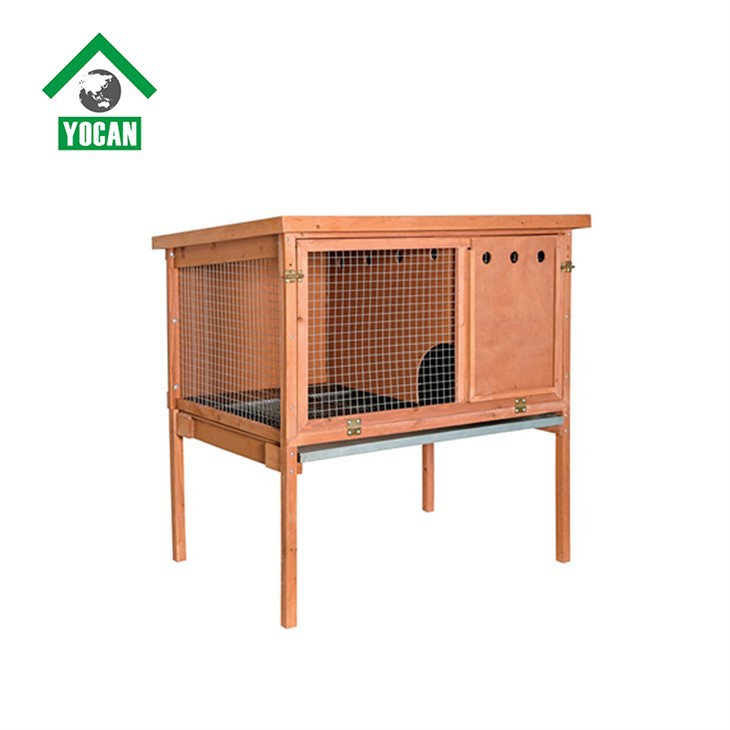
These zoning regulations can have a significant impact on the design and placement of the pet houses I supply. I need to ensure that the dimensions and the recommended placement of our Wooden Pet House are in line with these local requirements. Otherwise, customers might face issues with local authorities after purchasing and installing the pet house.
Building Codes and Structural Requirements
Building codes play a crucial role in the construction of pet houses. These codes are in place to ensure the safety and durability of the structures. In my area, pet houses are subject to certain structural standards, similar to small buildings.
The foundation of the pet house is an important consideration. For larger pet houses, a proper foundation, such as a concrete slab or a wooden platform, might be required. This helps to keep the pet house stable and protects it from moisture, which can lead to rot and damage over time.
The materials used in the construction of the pet house also need to meet specific standards. For example, the wood used in our Wooden Pet House must be treated to resist pests and decay. Additionally, the roofing material should be able to withstand local weather conditions, such as heavy rain, snow, or strong winds.
Ventilation is another key aspect of the building codes. Adequate ventilation is essential to keep the air inside the pet house fresh and prevent the buildup of harmful gases and moisture. There are often requirements regarding the size and placement of vents in the pet house.
Health and Sanitation Regulations
Health and sanitation regulations are of utmost importance when it comes to pet houses. These regulations are designed to protect the health of the pets as well as the surrounding environment.
In my area, pet houses must be kept clean and free from excessive waste. There are specific guidelines on how often the pet house should be cleaned, depending on the type of pet it houses. For example, a rabbit hutch might need to be cleaned at least once a week, while a chicken coop might require more frequent cleaning.
Proper waste management is also crucial. Pet waste should be disposed of in a hygienic manner, usually in a designated area or through a proper waste collection system. Some areas even have regulations regarding the use of bedding materials in the pet house. The bedding should be non - toxic and easy to clean or replace.
In addition, there are regulations related to the prevention of diseases. Pet houses should be designed in a way that minimizes the risk of disease transmission between pets. This might include features such as separate sleeping areas, proper drainage, and easy - to - clean surfaces.
Noise and Odor Regulations
Noise and odor can be a nuisance to neighbors, and therefore, there are regulations in place to address these issues. Pet houses should be designed to minimize noise, especially if they house animals that are prone to making loud noises, such as chickens or dogs.
For example, if a pet house is located near a neighbor's property, it might need to be equipped with sound - insulating materials. In the case of odor, proper ventilation and waste management are key. The pet house should be designed to allow for the easy removal of odors, and there might be restrictions on the use of certain types of litter or bedding that can produce strong odors.
Permits and Inspections
Before installing a pet house, it is often necessary to obtain a permit from the local authorities. The permit process typically involves submitting detailed plans of the pet house, including its dimensions, materials, and location on the property.
Once the permit is issued, an inspection might be required before the pet house is occupied. The inspector will check to ensure that the pet house complies with all the relevant regulations, including zoning, building codes, health, and sanitation requirements.
Failure to obtain the necessary permits or to comply with the regulations can result in fines or even the removal of the pet house. As a supplier, I always advise my customers to check with their local authorities and obtain the required permits before purchasing and installing a pet house.
Impact on My Business as a Pet House Supplier
These regulations have a significant impact on my business. I need to ensure that all the pet houses I supply meet the local regulations. This means working closely with my manufacturers to source high - quality materials and design pet houses that are compliant.
I also need to provide my customers with accurate information about the regulations in their area. This includes helping them understand the permit process, the setback requirements, and the building code standards. By doing so, I can build trust with my customers and ensure that they have a positive experience when purchasing a pet house from me.
Encouraging Contact for Procurement
If you're in the market for a pet house and are concerned about the regulations in your area, don't worry. I'm here to help. Our Wooden Pet House is designed with quality and compliance in mind. I can provide you with all the necessary information and guidance to ensure that your purchase meets the local regulations.
Whether you're a first - time pet owner or an experienced breeder, I'm confident that I can find the perfect pet house for your needs. Contact me to discuss your requirements, and let's start this journey together to provide a safe and comfortable home for your beloved pets.
References
- Local Municipal Zoning and Building Code Documents
- Health and Sanitation Guidelines for Pet Facilities in the Area
- Industry Publications on Pet House Design and Regulation Compliance