


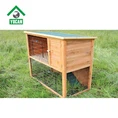


When it comes to providing a comfortable and healthy living environment for small birds, choosing the right size of bird cage is of utmost importance. As a reputable supplier of bird supplies, we understand the significance of this decision and are here to guide you through the process. In this blog post, we will delve into the factors to consider when determining the appropriate cage size for your small feathered friends and recommend some suitable options.
Understanding the Needs of Small Birds
Small birds, such as finches, canaries, and budgies, have specific needs when it comes to living space. They are active creatures that require room to fly, stretch their wings, and engage in natural behaviors. A cage that is too small can lead to stress, boredom, and health problems, while a cage that is too large may make the bird feel insecure. Therefore, finding the right balance is crucial.
Factors to Consider When Choosing a Cage Size
- Bird Species: Different bird species have different sizes and activity levels. For example, finches are small and active birds that require a cage with plenty of horizontal space to fly back and forth. Canaries, on the other hand, are more sedentary and may prefer a cage with a taller height to allow them to perch at different levels. Budgies are also active birds that need a cage with enough room to move around and play.
- Number of Birds: If you plan to keep multiple small birds in the same cage, you will need to provide enough space for each bird to have its own territory. As a general rule, you should allow at least 1 square foot of floor space per bird. However, this may vary depending on the species and size of the birds.
- Cage Shape: The shape of the cage can also affect the bird's comfort and well-being. A rectangular cage is generally the best option for small birds, as it provides more horizontal space for flying and perching. Round cages, on the other hand, can be disorienting for birds and may cause them to feel insecure.
- Bar Spacing: The spacing between the bars of the cage is another important factor to consider. The bars should be close enough together to prevent the bird from squeezing through, but not so close that they restrict the bird's movement. As a general rule, the bar spacing should be no more than 1/2 inch for small birds.
- Accessories and Perches: In addition to providing enough space for the bird to move around, the cage should also include plenty of accessories and perches to keep the bird entertained and stimulated. This can include toys, swings, ladders, and different types of perches. Make sure to choose accessories that are safe and appropriate for the size and species of the bird.
Recommended Cage Sizes for Small Birds
Based on the factors mentioned above, here are some recommended cage sizes for different types of small birds:
- Finches: A cage that is at least 18 inches long, 12 inches wide, and 18 inches tall is suitable for a pair of finches. If you plan to keep more than two finches, you will need to provide a larger cage.
- Canaries: A cage that is at least 24 inches long, 12 inches wide, and 18 inches tall is recommended for a single canary. If you plan to keep multiple canaries, you will need to provide a larger cage.
- Budgies: A cage that is at least 18 inches long, 18 inches wide, and 18 inches tall is suitable for a pair of budgies. If you plan to keep more than two budgies, you will need to provide a larger cage.
Additional Considerations
In addition to choosing the right size of cage, there are some other things you can do to ensure your small bird's comfort and well-being:
- Keep the Cage Clean: Regularly clean the cage and replace the bedding to prevent the buildup of bacteria and parasites.
- Provide a Balanced Diet: Feed your bird a balanced diet that includes a variety of seeds, fruits, vegetables, and pellets. Make sure to provide fresh water at all times.
- Give Your Bird Plenty of Exercise: Allow your bird to fly outside of the cage for at least a few hours each day to get some exercise and fresh air.
- Provide Mental Stimulation: Offer your bird plenty of toys and activities to keep it entertained and stimulated. This can include puzzles, foraging toys, and interactive games.
Our Bird Supplies
As a leading supplier of bird supplies, we offer a wide range of cages and accessories to meet the needs of small birds. Our cages are made from high-quality materials and are designed to provide a safe and comfortable living environment for your feathered friends. In addition to cages, we also offer a variety of toys, perches, food, and treats to keep your bird happy and healthy.
One of our popular products is the Wooden Bird Playground. This playground is made from natural wood and features a variety of perches, swings, and toys to keep your bird entertained and stimulated. It is also easy to clean and maintain, making it a great addition to any bird cage.
Contact Us for Procurement
If you are interested in purchasing bird supplies from us, please feel free to contact us for more information. Our team of experts is always available to answer your questions and provide you with personalized recommendations based on your bird's needs. We offer competitive prices, fast shipping, and excellent customer service, so you can be confident that you are making the right choice when you choose us as your bird supplies supplier.

References
- "The Spruce Pets: Choosing the Right Bird Cage." The Spruce Pets, https://www.thesprucepets.com/choosing-the-right-bird-cage-390122.
- "Avian Welfare Coalition: Cage Size Recommendations for Pet Birds." Avian Welfare Coalition, https://avianwelfarecoalition.org/cage-size-recommendations-for-pet-birds/.
- "BirdChannel: How to Choose the Right Bird Cage." BirdChannel, https://www.birdchannel.com/bird-care/bird-housing/how-to-choose-the-right-bird-cage.aspx.