




As a supplier of squirrel houses, I often receive inquiries from customers about the materials suitable for building these cozy shelters for our furry friends. One common question that pops up is, "Can I use plywood to build a squirrel house?" In this blog post, I'll delve into the pros and cons of using plywood for squirrel house construction, and provide some insights to help you make an informed decision.
The Appeal of Plywood
Plywood is a popular choice for many DIY projects, and for good reason. It is relatively inexpensive, readily available at most home improvement stores, and comes in a variety of thicknesses and grades. Plywood is also easy to work with, as it can be cut, drilled, and nailed with standard woodworking tools. These characteristics make it an attractive option for those looking to build a squirrel house on a budget or with limited woodworking skills.
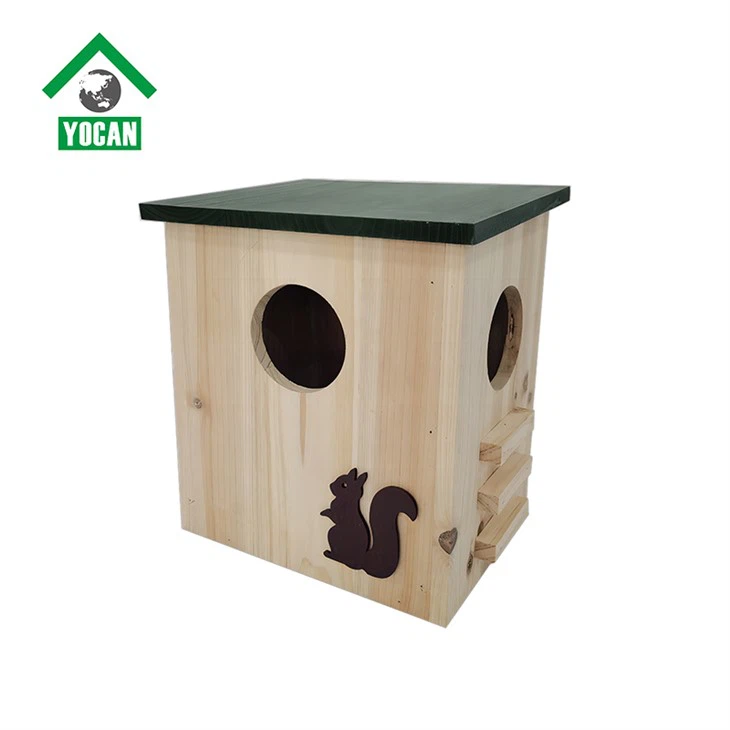
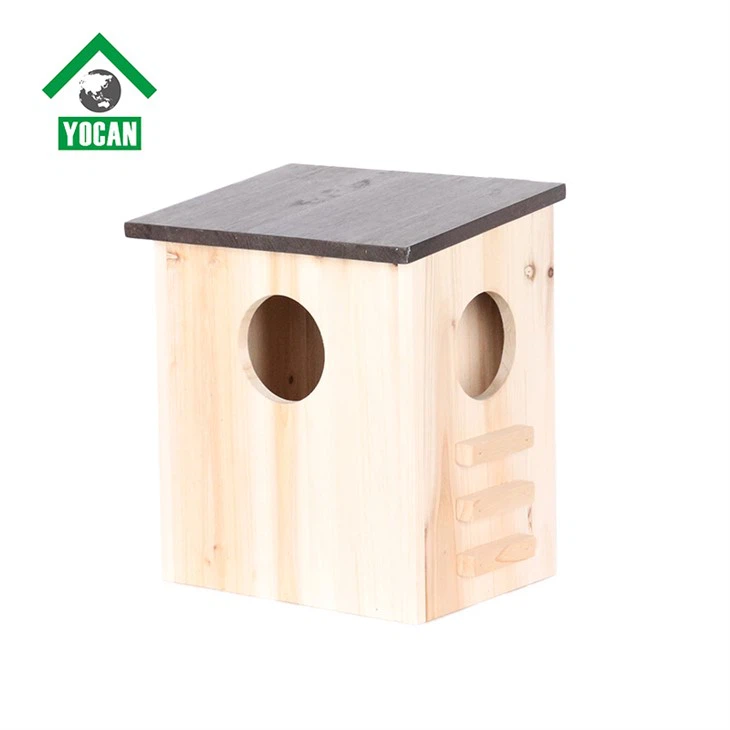
Another advantage of plywood is its strength and durability. Plywood is made by gluing together thin layers of wood veneer, which gives it a greater strength-to-weight ratio than solid wood. This means that a squirrel house made from plywood can withstand the elements and the wear and tear of daily use. Additionally, plywood is less likely to warp or crack than solid wood, which can help ensure the longevity of the squirrel house.
Considerations When Using Plywood
While plywood has many advantages, there are also some considerations to keep in mind when using it to build a squirrel house. One of the main concerns is the type of glue used in the plywood. Some plywood products are made with formaldehyde-based adhesives, which can release harmful chemicals into the air over time. These chemicals can be toxic to squirrels and other animals, so it's important to choose a plywood that is made with a low-emission or formaldehyde-free adhesive.
Another consideration is the finish of the plywood. Plywood is typically unfinished, which means that it is susceptible to moisture damage. If the squirrel house is exposed to rain or snow, the plywood can absorb water and swell, which can lead to warping and decay. To prevent this, it's important to apply a waterproof finish to the plywood, such as paint, stain, or varnish. This will help protect the wood from moisture and extend the life of the squirrel house.
In addition to the type of glue and finish, it's also important to consider the thickness of the plywood. A squirrel house should be made from plywood that is at least 3/8 inch thick to provide adequate insulation and protection from the elements. Thicker plywood may be necessary if the squirrel house will be located in an area with harsh weather conditions.
Building a Squirrel House with Plywood
If you've decided to use plywood to build a squirrel house, here are some steps to help you get started:
Step 1: Gather Your Materials
You'll need the following materials to build a squirrel house with plywood:
- Plywood (at least 3/8 inch thick)
- Screws or nails
- Wood glue
- Saw
- Drill
- Measuring tape
- Pencil
- Sandpaper
- Waterproof finish (paint, stain, or varnish)
Step 2: Design Your Squirrel House
Before you start cutting the plywood, it's important to design your squirrel house. You can find many free squirrel house plans online, or you can create your own design. When designing your squirrel house, consider the size and needs of the squirrels in your area. A typical squirrel house should be at least 12 inches wide, 12 inches deep, and 18 inches tall, with a small entrance hole located near the top of the house.
Step 3: Cut the Plywood
Once you have your design, it's time to cut the plywood. Use a saw to cut the plywood into the appropriate sizes for the walls, roof, and floor of the squirrel house. Make sure to measure and mark the plywood carefully before cutting to ensure accurate dimensions.
Step 4: Assemble the Squirrel House
After cutting the plywood, it's time to assemble the squirrel house. Use screws or nails to attach the walls, roof, and floor of the house together. You can also use wood glue to reinforce the joints and make the house more sturdy.
Step 5: Add Insulation
To help keep the squirrels warm in the winter, it's a good idea to add insulation to the squirrel house. You can use materials such as straw, hay, or shredded paper to line the inside of the house. Make sure to pack the insulation tightly to provide maximum warmth.
Step 6: Apply a Waterproof Finish
Once the squirrel house is assembled, it's time to apply a waterproof finish to the plywood. This will help protect the wood from moisture and extend the life of the house. You can use paint, stain, or varnish to finish the plywood. Make sure to apply the finish evenly and allow it to dry completely before installing the squirrel house.
Step 7: Install the Squirrel House
After the waterproof finish has dried, it's time to install the squirrel house. Choose a location that is sheltered from the wind and rain, and that is at least 10 feet off the ground. You can attach the squirrel house to a tree or a post using screws or nails.
Conclusion
In conclusion, plywood can be a good choice for building a squirrel house, but it's important to choose the right type of plywood and to take the necessary precautions to protect it from moisture. By following the steps outlined in this blog post, you can build a sturdy and comfortable squirrel house that will provide a safe and cozy home for your furry friends.
If you're interested in purchasing a pre-made squirrel house, I recommend checking out our Wooden Squirrel House and Outdoor Squirrel House options. Our squirrel houses are made from high-quality materials and are designed to provide a comfortable and safe home for squirrels.
If you have any questions or would like to discuss your squirrel house needs, please don't hesitate to contact us. We're here to help you find the perfect solution for your furry friends.
References
- "Building a Squirrel House." The Spruce. https://www.thespruce.com/building-a-squirrel-house-1388533
- "Squirrel House Plans." Animal House Plans. https://www.animalhouseplans.com/squirrel-house-plans.html
- "Plywood: A Guide to Choosing the Right Type." This Old House. https://www.thisoldhouse.com/ideas/plywood-guide-choosing-right-type