


Do squirrel feeders attract insects? This is a question that many wildlife enthusiasts and squirrel feeder owners often ponder. As a supplier of squirrel feeders, I've encountered this query numerous times, and I'm excited to share my insights on this topic.
Understanding the Basics of Squirrel Feeders
Before delving into whether squirrel feeders attract insects, let's first understand what squirrel feeders are. Squirrel feeders are designed to provide a convenient and safe place for squirrels to access food. They come in various types and materials, each with its own unique features and benefits.
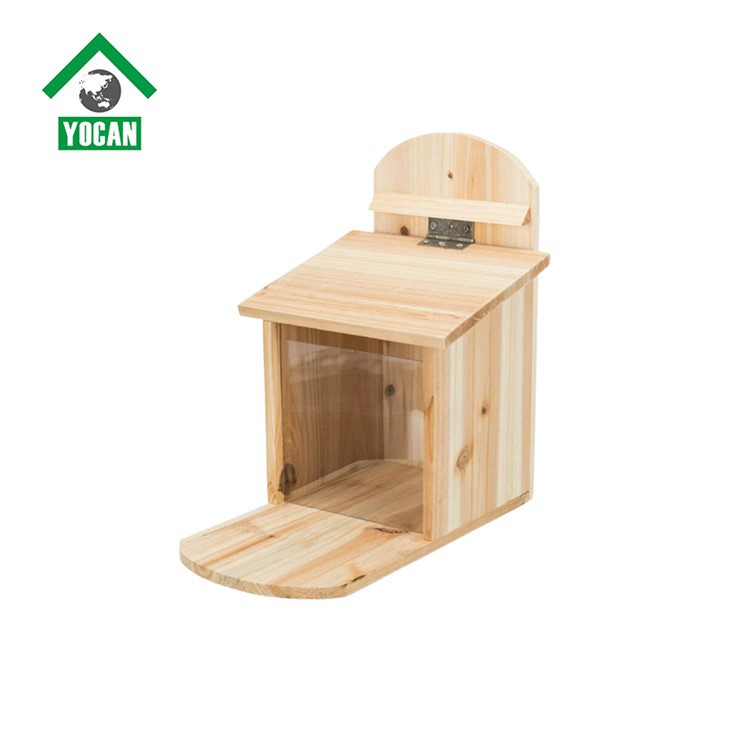
At our store, we offer a wide range of squirrel feeders, including the MDF Squirrel Feeder, the Pine Wood Squirrel Feeder, and the Small Squirrel Feeder. These feeders are carefully crafted to ensure durability, functionality, and attractiveness to squirrels.
Why Insects Might Be Attracted to Squirrel Feeders
There are several reasons why insects might be attracted to squirrel feeders. One of the primary reasons is the presence of food. Squirrel feeders typically contain nuts, seeds, grains, and other types of food that are also appealing to insects. Insects such as ants, beetles, and flies are attracted to the smell and taste of these foods and may be drawn to the feeder in search of a meal.
Another factor that can attract insects to squirrel feeders is moisture. If the feeder is located in an area that is prone to rain or if the food inside the feeder gets wet, it can create a breeding ground for insects. Moisture can also cause the food to spoil more quickly, which can further attract insects.
In addition, the design of the feeder itself can play a role in attracting insects. Feeders with open compartments or trays may make it easier for insects to access the food, while feeders with tight-fitting lids or covers may help to keep insects out.
Types of Insects Commonly Attracted to Squirrel Feeders
There are several types of insects that are commonly attracted to squirrel feeders. Some of the most common insects include:
- Ants: Ants are attracted to the sweet and sticky substances found in many types of squirrel food, such as nuts and seeds. They can quickly infest a feeder and make it difficult for squirrels to access the food.
- Beetles: Beetles are another common type of insect that may be attracted to squirrel feeders. They are often attracted to the grains and seeds found in the feeder and can cause damage to the food if left unchecked.
- Flies: Flies are attracted to the smell of decaying food and can be a nuisance around squirrel feeders. They can also spread diseases and bacteria, which can be harmful to both squirrels and humans.
- Wasps and Hornets: Wasps and hornets are attracted to the sweet substances found in some types of squirrel food, such as nectar and honey. They can be aggressive and may sting if they feel threatened, which can be dangerous for both squirrels and humans.
Preventing Insect Infestations in Squirrel Feeders
While it may not be possible to completely eliminate the risk of insect infestations in squirrel feeders, there are several steps that you can take to reduce the likelihood of an infestation. Here are some tips:
- Choose the Right Feeder: Select a feeder that is designed to keep insects out. Look for feeders with tight-fitting lids, covers, or baffles that can prevent insects from accessing the food.
- Keep the Feeder Clean: Regularly clean the feeder to remove any spilled food, debris, or moisture. This will help to prevent the growth of mold and bacteria, which can attract insects.
- Store Food Properly: Store the squirrel food in a sealed container in a cool, dry place. This will help to keep the food fresh and prevent it from attracting insects.
- Use Insect Repellents: There are several natural insect repellents that you can use to keep insects away from the feeder. Some examples include cinnamon, cloves, and peppermint oil.
- Place the Feeder in a Strategic Location: Place the feeder in an area that is away from areas where insects are likely to be present, such as near garbage cans or standing water. You can also hang the feeder from a tree branch or pole to make it more difficult for insects to access.
The Benefits of Having Squirrel Feeders Despite the Risk of Insects
While the risk of insect infestations in squirrel feeders is a concern, it's important to remember that there are also many benefits to having a squirrel feeder. Here are some of the benefits:
- Attract Wildlife: Squirrel feeders can attract a variety of wildlife to your yard, including squirrels, birds, and other small animals. This can provide you with an opportunity to observe and enjoy nature up close.
- Provide Food for Squirrels: Squirrels are important members of the ecosystem, and providing them with a source of food can help to support their population. This is especially important during the winter months when food is scarce.
- Educational Value: Having a squirrel feeder can be a great way to teach children about wildlife and the importance of conservation. It can also provide them with an opportunity to learn about the different types of animals that live in their area.
- Entertainment: Watching squirrels visit the feeder can be a fun and entertaining activity for the whole family. It can provide a source of relaxation and enjoyment, especially on a sunny afternoon.
Conclusion
In conclusion, while squirrel feeders can attract insects, there are several steps that you can take to reduce the likelihood of an infestation. By choosing the right feeder, keeping it clean, storing food properly, using insect repellents, and placing the feeder in a strategic location, you can help to keep insects away from the feeder and ensure that your squirrels have a safe and healthy source of food.
If you're interested in purchasing a squirrel feeder, we invite you to browse our selection of high-quality feeders, including the MDF Squirrel Feeder, the Pine Wood Squirrel Feeder, and the Small Squirrel Feeder. Our feeders are designed to provide a convenient and safe place for squirrels to access food, while also helping to keep insects at bay.

If you have any questions or would like to discuss your options for purchasing a squirrel feeder, please don't hesitate to contact us. We're here to help you find the perfect feeder for your needs and ensure that you have a positive experience.
References
- "The Biology of Squirrels." National Geographic.
- "Insects and Their Control." University of California Agriculture and Natural Resources.
- "Wildlife Feeding and Attractants." U.S. Fish and Wildlife Service.