


As a supplier of squirrel feeders, I often encounter questions from customers about the frequency of replacing these feeders. It's a crucial topic that not only affects the well - being of our furry friends but also the cost - effectiveness for the users. In this blog, I'll delve into the factors that determine whether squirrel feeders need to be replaced often.
Material Quality
The material of a squirrel feeder plays a significant role in its lifespan. We offer a variety of feeders made from different materials, such as the [Pine Wood Squirrel Feeder](/hedgehog - supplies/squirrel - feeder/pine - wood - squirrel - feeder.html) and the [Bark Wood Squirrel Feeder](/hedgehog - supplies/squirrel - feeder/bark - wood - squirrel - feeder.html).
Pine wood is a popular choice due to its affordability and natural look. However, pine is relatively soft and can be more susceptible to damage from squirrels' chewing and the elements. If exposed to harsh weather conditions like heavy rain, snow, or extreme sunlight, pine wood may start to rot or warp over time. In areas with high humidity, the lifespan of a pine wood squirrel feeder could be significantly reduced. On average, a pine wood feeder might need to be replaced every 1 - 2 years, depending on the usage and environmental factors.
On the other hand, bark wood is generally more durable. The natural bark layer provides an extra level of protection against moisture and pests. Squirrels' constant gnawing may not cause as much damage to bark wood as it does to pine. A well - maintained bark wood squirrel feeder can last 2 - 3 years or even longer.
Usage Intensity
The number of squirrels visiting the feeder and how often they use it are important factors. If you have a large population of squirrels in your area and they frequently visit the feeder, the feeder will experience more wear and tear. For example, in a park or a backyard near a forest, where squirrels are abundant, the feeder may be used more intensively.
Squirrels are known for their sharp teeth and strong jaws. They can chew on the feeder parts, especially around the feeding ports, to access the food. In high - traffic areas, the feeding ports may become enlarged or damaged, making it difficult to contain the food properly. The [Small Squirrel Feeder](/hedgehog - supplies/squirrel - feeder/small - squirrel - feeder.html) might be more prone to such issues as it has less space and more concentrated usage. If the feeder is used heavily, it may need to be replaced every 6 months to a year.
Hygiene and Maintenance
Proper hygiene is essential for the health of the squirrels. A dirty feeder can harbor bacteria, mold, and pests, which can spread diseases among the squirrels. Regular cleaning of the feeder can significantly extend its lifespan.
If a feeder is not cleaned regularly, food residues can accumulate inside, leading to the growth of mold. Mold can damage the feeder material, especially if it's made of wood. Metal feeders can also rust if moisture is left inside for too long. By cleaning the feeder at least once a week with mild soap and water, and thoroughly drying it before refilling, you can prevent many of these problems.
However, even with proper cleaning, some parts of the feeder may still wear out. For example, the perches or the lids may become loose or damaged over time. In such cases, you may not need to replace the entire feeder but rather just the worn - out parts. If you neglect maintenance, the feeder may need to be replaced more frequently, perhaps every 6 - 12 months.
Design and Construction
The design and construction of the feeder also influence its durability. A well - designed feeder with sturdy joints and high - quality hardware will last longer. For instance, feeders with reinforced corners and tightly - fitting lids are less likely to break or let in unwanted moisture.
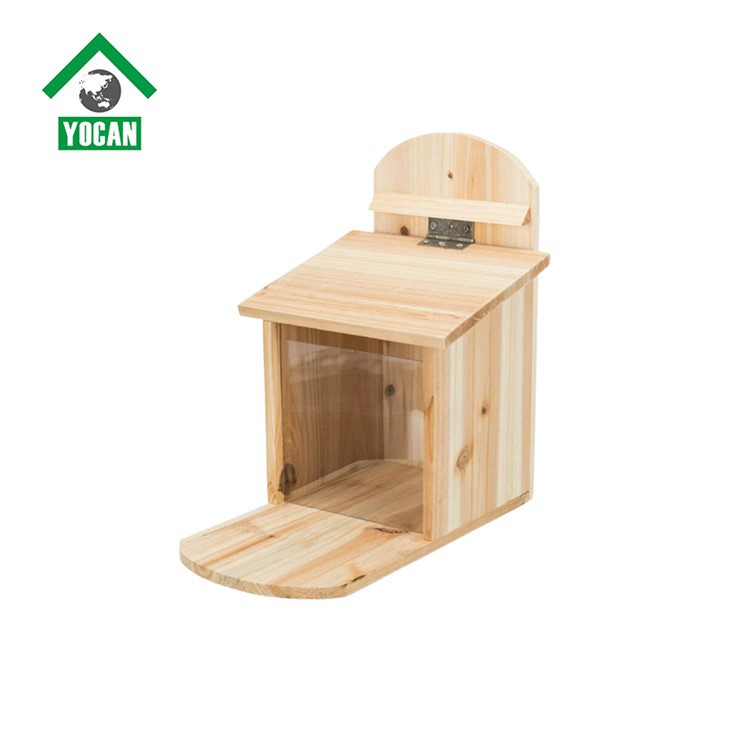

Some feeders are designed with anti - chew features, such as metal inserts around the feeding ports. These features can prevent squirrels from chewing through the feeder and extend its lifespan. When choosing a feeder, it's important to consider the design aspects that will enhance its durability.
Cost - Benefit Analysis
When deciding whether to replace a squirrel feeder, it's also important to consider the cost - benefit analysis. If a feeder is approaching the end of its lifespan but still functions reasonably well, you may choose to continue using it until it completely fails. However, if the feeder is starting to cause problems, such as leaking food or attracting pests, it may be more cost - effective to replace it.
The cost of a new feeder should be weighed against the potential benefits, such as better food containment, improved hygiene, and a longer lifespan. Our range of squirrel feeders offers different price points, so you can choose a feeder that suits your budget and requirements.
Conclusion
In conclusion, whether a squirrel feeder needs to be replaced often depends on multiple factors, including material quality, usage intensity, hygiene and maintenance, and design and construction. While some feeders may need to be replaced every few months, others can last several years with proper care.
If you're in the market for a new squirrel feeder or need advice on feeder maintenance, feel free to reach out for a procurement discussion. We're here to help you make the best choice for your squirrel - feeding needs.
References
- "Wildlife Feeding Best Practices" - A guide published by the local wildlife conservation agency.
- "Materials and Durability in Outdoor Feeders" - Research paper from a forestry and wildlife management journal.