




As a supplier of squirrel houses, one question I often get asked is, "Do squirrel houses need a roof?" It's a valid query, especially for those who are new to providing shelter for these furry little creatures. In this blog post, I'll delve into the reasons why a roof is an essential component of a squirrel house, and how it benefits both the squirrels and the long - term durability of the structure.
Protection from the Elements
The most obvious reason for having a roof on a squirrel house is to protect the squirrels from the elements. Just like humans, squirrels need a dry and warm place to rest and raise their young. Rain, snow, and strong winds can make their living conditions uncomfortable and even dangerous. A well - constructed roof acts as a shield, preventing water from seeping into the house and keeping the interior dry.
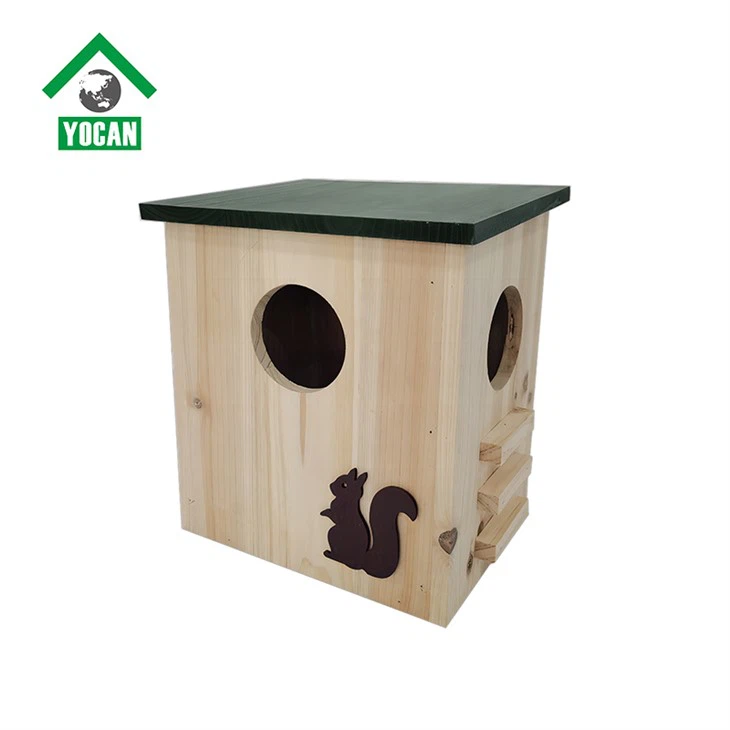
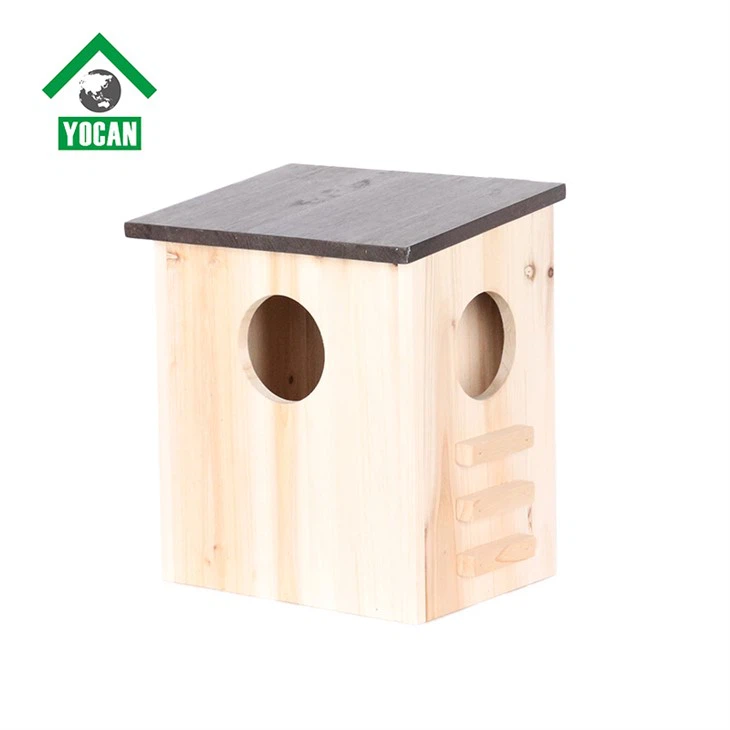
During the rainy season, without a roof, the inside of the squirrel house can quickly become a soggy mess. Squirrels are sensitive to dampness, and a wet environment can lead to health problems such as hypothermia and respiratory issues. In winter, snow can accumulate inside the house if there is no roof, making it extremely cold for the squirrels. A roof helps to maintain a stable and warm temperature inside the shelter, which is crucial for their survival, especially during harsh weather conditions.
Sun Protection
In addition to protecting from rain and snow, a roof also provides protection from the sun. Squirrels are active during the day, but they still need a cool place to retreat to when the sun is at its hottest. The intense heat of the sun can make the interior of an unroofed squirrel house unbearably hot, potentially causing heatstroke in the squirrels. A roof shades the house, reducing the temperature inside and creating a more comfortable living environment.
Durability of the Squirrel House
A roof is not only beneficial for the squirrels but also for the longevity of the squirrel house itself. Exposure to the elements can cause the materials of the house to deteriorate over time. Wood, which is a common material for squirrel houses, can rot if it is constantly wet. A roof helps to keep the wood dry, preventing rot and extending the life of the house.
If you're in the market for a high - quality squirrel house, we offer a great selection of Outdoor Squirrel House. These houses are designed with a sturdy roof to ensure maximum protection for the squirrels and long - term durability.
Predator Deterrence
A roof can also play a role in deterring predators. Some predators, such as birds of prey, may try to access the squirrel house if it is exposed. A roof makes it more difficult for these predators to reach the squirrels inside. It adds an extra layer of security, giving the squirrels a safer place to live.
Design Considerations for the Roof
When designing a squirrel house roof, there are a few important factors to consider. Firstly, the roof should have a proper slope. A sloped roof allows rain and snow to slide off easily, preventing water from pooling on the roof and potentially leaking into the house. A slope of at least 30 degrees is recommended for optimal drainage.
Secondly, the material of the roof is crucial. It should be waterproof and durable. Common materials for squirrel house roofs include asphalt shingles, metal, and cedar shakes. Asphalt shingles are affordable and easy to install, while metal roofs are extremely durable and long - lasting. Cedar shakes give a natural and rustic look, and they also have natural anti - rot properties.
We also offer Wooden Squirrel House with well - designed roofs. These wooden houses are crafted with care, using high - quality materials to ensure the best possible living conditions for the squirrels.
Maintenance of the Roof
To ensure that the roof of the squirrel house continues to provide effective protection, regular maintenance is necessary. Inspect the roof periodically for any signs of damage, such as missing shingles or holes. Replace any damaged parts promptly to prevent water from getting in.
Clean the roof regularly to remove any debris, such as leaves and twigs. Debris can block the drainage channels on the roof, causing water to pool and potentially leak into the house. A simple brush or a gentle stream of water can be used to clean the roof.
Conclusion
In conclusion, a roof is an indispensable part of a squirrel house. It provides protection from the elements, sun, and predators, and it also extends the durability of the house. If you're considering providing a home for squirrels, make sure to choose a squirrel house with a well - designed and properly maintained roof.
As a supplier, we are committed to providing high - quality squirrel houses that meet the needs of both the squirrels and our customers. If you're interested in purchasing squirrel houses for your property or for a wildlife conservation project, we'd love to hear from you. Contact us to start a procurement discussion and find the perfect squirrel house for your requirements.
References
- "Wildlife Shelter Design: A Guide for Homeowners", National Wildlife Federation
- "The Biology and Ecology of Squirrels", Academic Press