




Do wood dog beds make noise when the dog moves?
As a supplier of wood dog beds, this is a question I often get asked by potential customers. It's a valid concern, as no one wants a noisy dog bed that could disrupt the peace in their home or even startle their furry friend. In this blog post, I'll delve into the factors that can contribute to noise in wood dog beds and share some insights on how to minimize it.
The Basics of Wood Dog Beds
Wood is a popular choice for dog beds due to its durability, natural aesthetic, and sturdiness. It can withstand the wear and tear of a dog's movements, scratching, and chewing better than many other materials. Additionally, wood is often treated to be resistant to pests and moisture, making it a long - lasting option for your pet's resting place.
However, wood is also a material that can potentially produce noise under certain conditions. The type of wood, the construction of the bed, and the dog's behavior all play a role in determining whether a wood dog bed will make noise when the dog moves.
Factors Contributing to Noise in Wood Dog Beds
1. Type of Wood
Different types of wood have different densities and acoustic properties. Hardwoods like oak, maple, and teak are generally denser and more solid. They are less likely to creak or make noise compared to softer woods such as pine. Softwoods are more porous and may be more prone to shifting and making noise when pressure is applied, like when a dog jumps on or moves around in the bed.
For example, a bed made from solid oak is likely to be very stable and quiet. Oak's tight grain structure and high density mean that it can better absorb the forces exerted by a dog's movements without producing much noise. On the other hand, a pine dog bed might creak more easily, especially if the wood is not of high quality or has been poorly dried.
2. Construction Quality
The way the wood dog bed is constructed is crucial in determining its noise level. A well - built bed with tight joints and proper assembly is less likely to make noise. If the joints are loose or the pieces of wood are not properly secured, they can rub against each other when the dog moves, creating a squeaking or creaking sound.
For instance, a bed that uses dowels or mortise - and - tenon joints for assembly is generally more stable than one that relies solely on nails or glue. Dowels and mortise - and - tenon joints provide a stronger and more secure connection between the wood pieces, reducing the likelihood of movement and noise.
3. Surface Finish
The finish applied to the wood can also affect noise. A smooth, well - sanded surface is less likely to produce noise as the dog moves. Rough or uneven surfaces can cause friction between the dog's fur and the wood, leading to a scratching or rubbing sound.
Moreover, the type of finish matters. A high - quality varnish or oil finish can not only protect the wood but also reduce friction. It creates a smooth barrier between the dog and the wood, minimizing noise. In contrast, a poorly applied or chipped finish may exacerbate noise problems.
4. Dog's Behavior
The size, weight, and activity level of the dog are significant factors. Larger and more active dogs are more likely to make a wood dog bed noisy. A big dog that jumps onto the bed with force or frequently changes positions can put more stress on the wood, causing it to creak or shift.
Puppies, who are often full of energy and like to play on their beds, can also be a source of noise. Their erratic movements and chewing habits can test the durability of the bed and potentially lead to noise issues.
Minimizing Noise in Wood Dog Beds
1. Choose the Right Wood
As mentioned earlier, opt for denser hardwoods when possible. If you're on a budget and considering a softer wood like pine, make sure it is of high quality and has been properly dried and treated. You can also look for engineered wood products that combine the benefits of different woods to create a more stable and quiet bed.
2. Check the Construction
Before purchasing a wood dog bed, inspect the joints and overall construction. Look for signs of loose parts or poor assembly. If possible, test the bed by gently pushing and pulling on it to see if it makes any noise. A well - made bed should feel solid and stable.
3. Add Padding
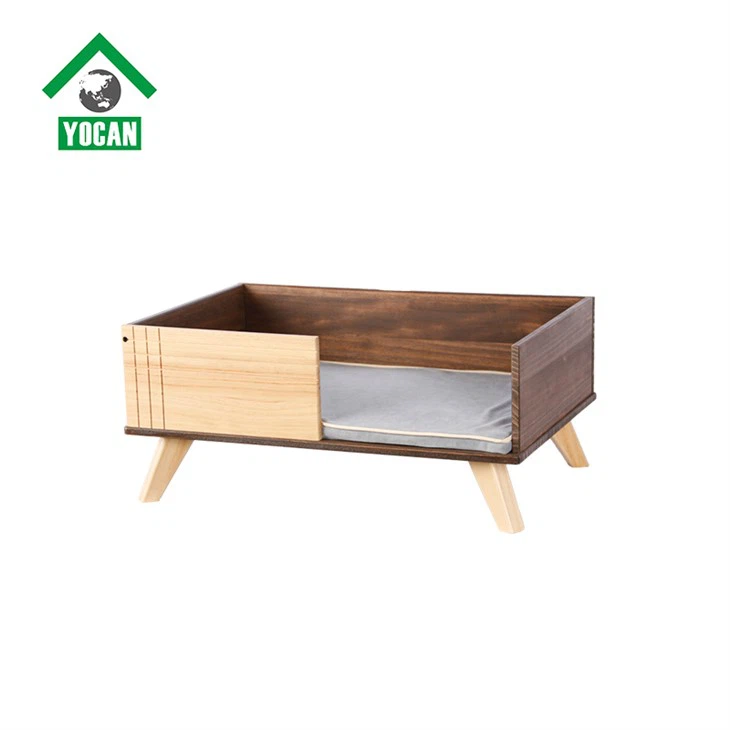
Adding a thick, soft cushion or pad to the wood dog bed can significantly reduce noise. The padding absorbs the impact of the dog's movements and provides a buffer between the dog and the wood. It also makes the bed more comfortable for the dog. You can choose a cushion made from materials like memory foam or high - density polyester for maximum comfort and noise reduction.
4. Maintain the Bed
Regular maintenance can keep the wood dog bed quiet. Check the joints periodically and tighten any loose screws or bolts. Sand any rough spots on the surface and re - apply a finish if it starts to wear off. This will ensure that the bed remains in good condition and continues to be a quiet and comfortable place for your dog.
Our Luxury Wooden Dog Bed
At our company, we understand the importance of a quiet and comfortable dog bed. That's why we offer a Luxury Wooden Dog Bed that is designed with noise reduction in mind. Our beds are made from high - quality hardwoods, carefully selected for their density and durability. The construction is top - notch, with strong joints and a smooth finish.
We also provide thick, plush cushions for our beds to further enhance comfort and reduce noise. Whether your dog is a small, calm companion or a large, active breed, our luxury wooden dog beds are built to withstand their movements without making a fuss.
Conclusion
In conclusion, while wood dog beds can potentially make noise when the dog moves, there are many ways to minimize this issue. By choosing the right wood, ensuring good construction, adding padding, and maintaining the bed, you can enjoy a quiet and comfortable sleeping place for your furry friend.
If you're interested in our Luxury Wooden Dog Bed or have any questions about our products, we'd love to hear from you. Contact us for more information and to discuss your specific needs. We're here to help you provide the best for your dog.
References
- "Wood Handbook: Wood as an Engineering Material." United States Department of Agriculture, Forest Service, Forest Products Laboratory.
- Various pet product reviews and customer feedback on wood dog beds.