


As a reputable wood dog bed supplier, I've encountered numerous queries from pet owners and retailers alike regarding the maintenance requirements of wood dog beds. This blog aims to delve deep into the matter, providing comprehensive insights based on my experience in the industry.
Understanding the Nature of Wood Dog Beds
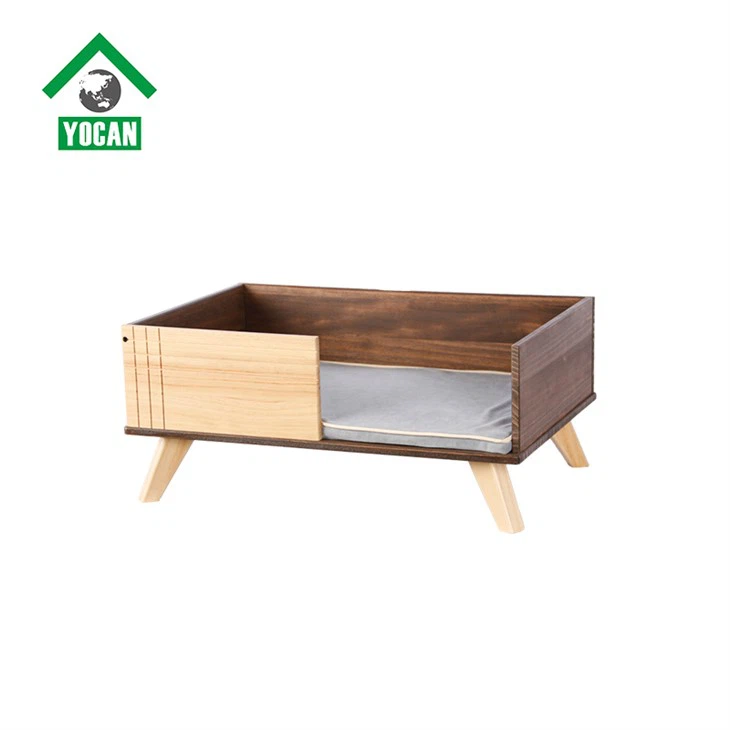
Wood dog beds are not just functional pieces; they are also elegant additions to any home, offering a cozy and stylish resting place for our furry friends. The choice of wood greatly impacts not only the aesthetic appeal but also the durability and maintenance needs of the dog bed. Common woods used in dog beds include pine, oak, and cedar. Pine is lightweight and easy to work with, making it a popular choice for budget-friendly options. Oak, on the other hand, is known for its strength and density, providing a long - lasting and sturdy bed. Cedar has natural insect - repellent properties, which can be beneficial for keeping pests away from your dog's sleeping area.
Each type of wood has its own unique characteristics that influence how it should be maintained. For instance, pine is more susceptible to scratching and denting compared to oak due to its softer nature. Cedar, while having excellent natural properties, may require some additional care to prevent the natural oils from drying out over time.
General Maintenance Practices
Regular cleaning is the cornerstone of maintaining a wood dog bed. Start by removing any visible debris such as fur, dirt, or food particles. A simple vacuum cleaner with a soft brush attachment can be very effective for this task. This should be done at least once a week, depending on how often your dog uses the bed.
For more thorough cleaning, you can use a mild wood cleaner. Avoid using harsh chemicals or abrasive cleaners as they can damage the wood's finish. A mixture of warm water and a small amount of gentle dish soap can work wonders. Dampen a soft cloth with the soapy water and gently wipe the surface of the bed. Make sure to wring out the cloth well to prevent excessive moisture from seeping into the wood. After cleaning, dry the bed thoroughly with a clean, dry cloth.
Dealing with Spills and Stains
Accidents happen, especially when it comes to our pets. If your dog spills water, urine, or any other liquid on the wood dog bed, it's crucial to address it immediately. Blot the spill with a clean, absorbent cloth as soon as possible to remove as much liquid as possible. Avoid rubbing the spill, as this can spread the stain and potentially damage the wood.
For urine stains, a solution of white vinegar and water can be very effective in neutralizing the odor and removing the stain. Mix equal parts of white vinegar and water in a spray bottle. Spray the solution on the affected area and let it sit for a few minutes. Then, gently blot the area with a clean cloth. If the stain persists, you can use a specialized wood stain remover. However, always test the product on a small, inconspicuous area of the bed first to ensure it doesn't cause any damage.
Protecting the Wood Finish
The finish of a wood dog bed not only enhances its appearance but also provides a layer of protection against moisture, scratches, and stains. To maintain the finish, it's important to avoid placing the bed in direct sunlight for extended periods as this can cause the wood to fade and the finish to crack.
You can also apply a wood polish or wax periodically to keep the finish in good condition. Wood polish helps to nourish the wood and restore its shine, while wax provides an additional protective layer. Follow the manufacturer's instructions when applying these products, and make sure to let the bed dry completely before allowing your dog to use it again.
Special Considerations for Different Wood Types
Pine Dog Beds: Since pine is a relatively soft wood, it requires extra care to prevent scratching. You can consider using a protective pad or blanket on the bed to minimize direct contact between your dog's claws and the wood. Additionally, pine may require more frequent re - application of the finish compared to harder woods.
Oak Dog Beds: Oak is a durable wood, but it is not immune to damage. To maintain its strength and appearance, make sure to clean it regularly and avoid exposing it to excessive moisture. Over time, oak may develop a natural patina, which can enhance its beauty. However, if you want to keep the bed looking like new, you can use a wood conditioner to keep the wood hydrated.
Cedar Dog Beds: Cedar wood has natural oils that give it its distinct smell and insect - repellent properties. To preserve these qualities, avoid using harsh chemicals that can strip the oils from the wood. Instead, use a mild cleaning solution and gently wipe the bed. If the natural smell starts to fade over time, you can lightly sand the surface of the wood to release more of the oils.
When to Seek Professional Help
In some cases, the damage to a wood dog bed may be beyond your DIY skills. If the bed has significant scratches, dents, or water damage, it may be necessary to seek the help of a professional woodworker. They can assess the damage and determine the best course of action, whether it's repairing the existing bed or recommending a replacement.
As a wood dog bed supplier, I understand that finding the perfect bed for your dog is important. Our Luxury Wooden Dog Bed is crafted with the highest quality woods and finishes, ensuring both durability and style. If you're in the market for a new wood dog bed or have any questions about maintenance, I invite you to reach out to discuss your specific needs. Whether you're a pet owner looking for the perfect sleeping spot for your furry friend or a retailer interested in adding high - quality dog beds to your inventory, we're here to assist you. Let's start a conversation and find the best wood dog bed solution for you.
References
- "The Complete Guide to Wood Furniture Care" by John Smith
- "Pet - Friendly Home Decor" by Jane Doe
- Industry research on wood dog bed materials and maintenance from various trade publications.