


Creating a chicken coop for large - scale chicken farming isn't just building a shelter; it's about setting up a safe, healthy, and productive environment for your feathered friends. As a chicken coop supplier, I've helped numerous farmers make top - notch coops. Let me share some tips on how to make a chicken coop suitable for large - scale chicken farming.
Location Selection
The first step is choosing the right location for your chicken coop. You want a place that's well - drained. Chickens don't like wet feet, and damp conditions can lead to all sorts of health problems like fungal infections. Avoid low - lying areas where water might pool during rainy days.
Sunlight is also crucial. A spot that gets a good amount of sunlight throughout the day is ideal. Sunlight helps keep the coop dry and provides vitamin D for the chickens, which is essential for their bone health. But don't forget about shade. You need to ensure that there are areas in the coop where the chickens can escape the scorching sun during the hottest part of the day.
Another thing to consider is the proximity to your house or other farm buildings. You want it close enough so that it's easy to access for daily care, like feeding and cleaning, but far enough away to avoid any potential odor or noise issues.
Coop Size and Layout
When it comes to large - scale chicken farming, size does matter. You need to make sure there's enough space for each chicken to move around comfortably. A general rule of thumb is to provide at least 2 - 3 square feet of indoor space per chicken and about 8 - 10 square feet of outdoor space.
The layout of the coop is also very important. You should have separate areas for roosting, nesting, and feeding. The roosting area should be elevated off the ground to keep the chickens safe from predators and to give them a sense of security. Nesting boxes should be placed in a quiet and dark corner, so the hens feel comfortable laying their eggs.
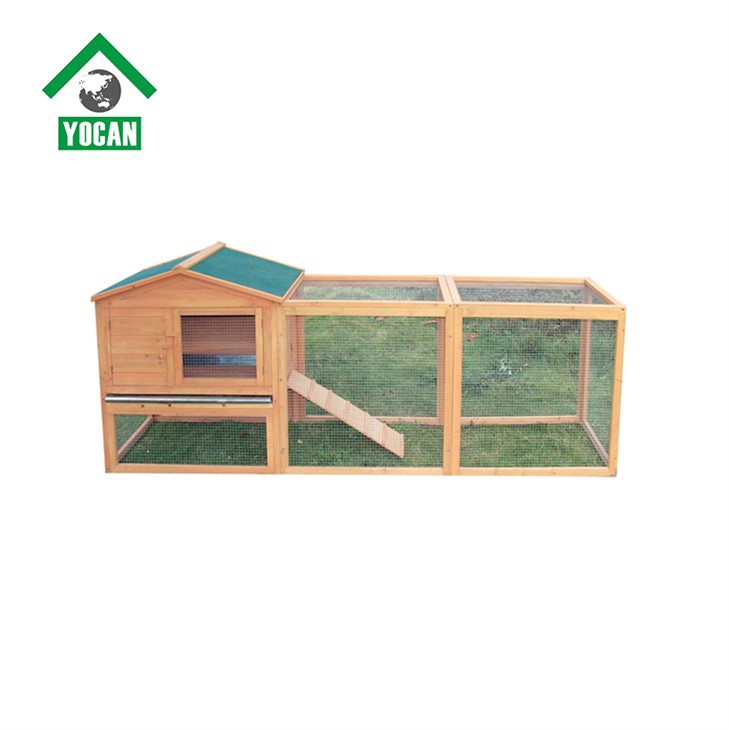
For large - scale farms, a modular design can be a great option. It allows you to expand the coop easily as your chicken population grows. You can find modular chicken coops in different materials, such as the Wooden Chicken Coop, which gives a natural and rustic look.
Ventilation and Insulation
Proper ventilation is a must in a chicken coop, especially for large - scale farming. Good airflow helps remove moisture, ammonia, and other harmful gases from the coop. You can install vents near the roof and on the sides of the coop. Make sure the vents can be adjusted, so you can control the amount of airflow depending on the weather conditions.
Insulation is equally important. It helps keep the coop warm in the winter and cool in the summer. You can insulate the walls and the roof with materials like straw bales, fiberglass, or foam boards. An insulated chicken coop can save you a lot of money on heating and cooling costs in the long run. If you're looking for a coop that offers good insulation properties, the WPC Chicken Coop is a great choice.
Feeding and Watering Systems
In large - scale chicken farming, you can't rely on traditional methods of feeding and watering. You need efficient systems that can handle a large number of chickens. Automatic feeders and waterers are a great investment. They can be set up to dispense the right amount of food and water at regular intervals, ensuring that all the chickens get their share.
When choosing a feeder, make sure it's easy to fill and clean. The same goes for the waterer. You also need to place them in a way that prevents the chickens from soiling the food and water. Some coops come with built - in feeding and watering systems. For example, the Chicken Coop with Running Cage often has well - designed compartments for this purpose.
Predator Protection
Protecting your chickens from predators is a top priority, especially in large - scale farming. You need to build a chicken coop that's predator - proof. Start by using strong materials for the walls and the roof. Hardware cloth with small mesh sizes is a great option for covering windows and openings, as it can prevent small predators like raccoons and snakes from getting in.
Install a locking mechanism on the coop door to keep larger predators out. You can also consider installing motion - activated lights or alarms around the coop. Additionally, make sure the outdoor area is fenced with a high - quality fence that extends underground to prevent predators from digging in.
Cleaning and Maintenance
A clean chicken coop is a healthy chicken coop. In large - scale farming, you need to have a regular cleaning schedule. Remove the manure at least once a week to prevent the build - up of harmful bacteria. You can use a manure fork or a shovel for this task.
Wash the feeding and watering systems regularly to prevent the growth of mold and algae. Inspect the coop for any signs of damage, such as holes in the walls or loose boards, and repair them immediately.
Cost - effectiveness
When making a chicken coop for large - scale farming, you need to keep the costs in mind. There are many ways to save money without sacrificing the quality of the coop. For example, you can buy materials in bulk to get a better price. You can also look for second - hand materials, like old pallets, which can be repurposed to build parts of the coop.
However, don't be too penny - pinching when it comes to important aspects like insulation and ventilation. Cutting corners in these areas can lead to higher costs in the long run due to increased chicken illness and energy consumption.
Conclusion
Making a chicken coop suitable for large - scale chicken farming is a big project, but it's definitely doable. By following these tips on location selection, coop size and layout, ventilation, feeding systems, predator protection, cleaning, and cost - effectiveness, you can create a great home for your chickens.
As a chicken coop supplier, I'm here to assist you every step of the way. Whether you're looking for a small - scale start or planning a large - scale expansion, I can offer you a variety of chicken coops to meet your needs. If you're interested in learning more about our products or have any questions regarding chicken coop construction, feel free to contact us for a procurement discussion.
References
- "The Chicken Coop Handbook" by Gail Damerow
- "Storey's Guide to Raising Chickens" by Gail Damerow