





As a supplier of bat houses, I often get asked how to attract female bats to a bat house. Female bats are particularly important because they are the ones that give birth and raise the young. Having a good number of female bats in your bat house can lead to a thriving bat colony, which in turn can provide numerous benefits such as natural pest control. In this blog post, I'll share some key strategies to help you attract female bats to your bat house.
Understanding Female Bat Behavior
Before we dive into the methods of attracting female bats, it's crucial to understand their behavior. Female bats have specific needs, especially during the maternity season. They look for safe, warm, and stable roosting sites to give birth and raise their pups. A suitable bat house should mimic the natural roosting conditions that female bats prefer.
Choosing the Right Bat House
The type of bat house you choose plays a significant role in attracting female bats. We offer a variety of high - quality bat houses, each with its own unique features.
The Large Bat House Wood is an excellent option. It provides ample space for a large colony of bats. Female bats often prefer larger roosting areas as they can accommodate their growing families. The wood construction also offers good insulation, keeping the interior of the bat house at a stable temperature, which is essential for the survival of the young.
Another great choice is the Bat House With Meatl Roof. The metal roof helps to reflect sunlight during the hot summer months, preventing the interior from overheating. Female bats are sensitive to temperature changes, and a well - regulated environment is crucial for the health of their pups.
The Hexagon Bat House is a unique design that offers multiple chambers. This design provides different micro - climates within the bat house, allowing female bats to choose the most suitable area for roosting. It also provides more surface area for bats to cling to, which is important for their comfort.
Location, Location, Location
The location of the bat house is just as important as the type of bat house you choose. Female bats prefer bat houses that are placed in areas with plenty of sunlight. A bat house should receive at least 6 - 8 hours of direct sunlight per day. This helps to keep the interior warm, which is vital for the development of the young bats.
It's also important to place the bat house near a water source. Bats need water for drinking and for hunting insects. A nearby pond, stream, or even a birdbath can attract bats to the area. Additionally, the bat house should be placed at least 10 - 15 feet off the ground. This height provides a sense of security for the bats and protects them from predators.
Providing a Suitable Environment
In addition to the right bat house and location, creating a suitable environment around the bat house can also attract female bats. Planting native flowers and shrubs can attract insects, which are the main food source for bats. Flowers such as evening primrose, honeysuckle, and datura are known to attract moths and other insects that bats feed on.
Avoid using pesticides in the area around the bat house. Pesticides can kill the insects that bats rely on for food and can also be harmful to the bats themselves. By creating a chemical - free environment, you can ensure a healthy food supply for the bats.
Maintenance
Regular maintenance of the bat house is essential to keep it attractive to female bats. Check the bat house periodically for any signs of damage or wear. Repair any holes or cracks in the structure to prevent water from entering and to keep the interior dry.
Clean the bat house once a year, preferably during the winter when the bats have migrated. Remove any debris or guano that has accumulated inside the bat house. However, be careful not to disturb the bats if they are still present.
Social Signals
Bats are social animals, and they often rely on social signals to find suitable roosting sites. You can use artificial social signals to attract female bats to your bat house. Some bat houses come with a special design or material that mimics the sound or smell of a bat colony. This can make the bat house more appealing to female bats, as they are more likely to join an established colony.
Monitoring
Monitoring the bat house is an important part of attracting and keeping female bats. You can use a bat detector to listen for the echolocation calls of bats. This can help you determine if bats are using the bat house and how many are present. You can also observe the area around the bat house at dusk to see if bats are entering or leaving the structure.
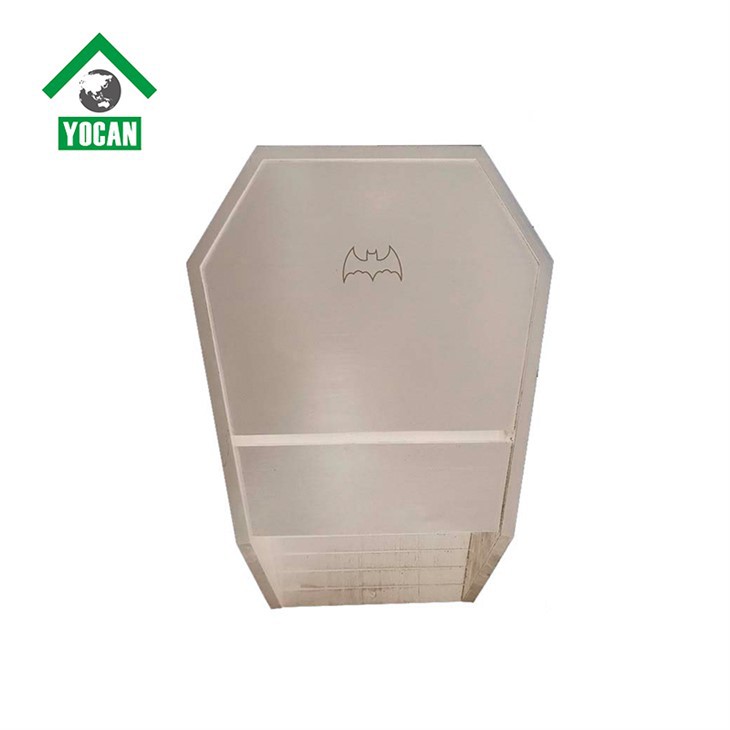

If you notice that bats are not using the bat house, don't be discouraged. It can take some time for bats to discover and move into a new bat house. Be patient and continue to provide a suitable environment, and eventually, you may see a thriving bat colony in your bat house.
Conclusion
Attracting female bats to a bat house requires a combination of the right bat house, a suitable location, a proper environment, and regular maintenance. By following these strategies, you can increase the chances of attracting female bats to your bat house and creating a thriving bat colony.
If you're interested in purchasing a high - quality bat house for your property, we're here to help. Our team of experts can provide you with more information about our products and offer advice on how to attract bats to your bat house. We're committed to providing the best bat houses on the market and ensuring that your bat - attracting efforts are successful. Contact us today to start the conversation about your bat house needs.
References
- Kunz, T. H., & Lumsden, L. F. (2003). Bat houses as conservation tools: A review of factors influencing occupancy. Journal of Mammalogy, 84(1), 162 - 177.
- Kurta, A., & Kunz, T. H. (1987). Roosting ecology of the big brown bat (Eptesicus fuscus) in buildings. Journal of Mammalogy, 68(3), 553 - 563.
- Barclay, R. M. R., & Brigham, R. M. (1991). Foraging behavior and prey selection in bats. BioScience, 41(9), 621 - 629.