


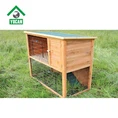


As a supplier of bat houses, I've witnessed firsthand the growing interest in these structures, not just for their ecological benefits but also for the unique challenges they present, such as temperature control. Bats are sensitive creatures, and maintaining an appropriate temperature within their habitat is crucial for their survival and well - being. In this blog, I'll share some insights on how to control the temperature in a bat house.
Understanding the Ideal Temperature Range
Before delving into temperature control methods, it's essential to understand the ideal temperature range for bats. Most bat species prefer a temperature between 80°F and 100°F (27°C - 38°C) during the maternity season when females give birth and raise their young. This warm environment is necessary for the proper development of bat pups. Outside of the maternity season, bats can tolerate a wider range of temperatures, but still, extreme cold or heat can be detrimental.
Location, Location, Location
The first and perhaps most important factor in temperature control is the placement of the bat house. A well - placed bat house can naturally regulate its temperature.
- Sun Exposure: Bats need warmth, especially in the early morning and late afternoon. Mount the bat house on a south - or southeast - facing wall or pole. This orientation allows the bat house to receive sunlight for at least 6 - 8 hours a day. For example, if you're in a region with milder summers, a south - facing placement will ensure that the bat house gets enough heat. However, in areas with extremely hot summers, you might want to consider a more east - facing location to avoid overheating. Check out our Bat Houses For Outdoor for options that are suitable for different sun exposures.
- Height and Surroundings: Mount the bat house at least 10 - 15 feet above the ground. This height not only provides safety from predators but also allows for better air circulation. Avoid placing the bat house under dense tree canopies, as this can block sunlight and reduce air movement. Instead, choose an open area where the bat house can benefit from natural breezes.
Insulation and Ventilation
Proper insulation and ventilation are key to maintaining a stable temperature inside the bat house.


- Insulation: Use high - quality materials for the bat house construction. Wood is a popular choice as it has natural insulating properties. Our Large Bat House Wood is made from thick, durable wood that helps to keep the interior temperature stable. You can also add an extra layer of insulation, such as a reflective foil insulation on the outside of the bat house. This can reflect sunlight and prevent the interior from getting too hot during the summer months.
- Ventilation: Adequate ventilation is necessary to prevent the build - up of heat and humidity. Install ventilation holes near the top and bottom of the bat house. The top holes allow hot air to escape, while the bottom holes let fresh air in. Make sure the ventilation holes are small enough to prevent predators from entering. For example, you can drill holes about 1/4 - inch in diameter. Our Outdoor Bat House Box is designed with proper ventilation in mind, ensuring a comfortable environment for the bats.
Shading and Cooling Techniques
In regions with extremely hot summers, additional shading and cooling techniques may be required.
- Shading Devices: You can install a simple awning or shade cloth above the bat house. This will block direct sunlight during the hottest part of the day. Make sure the shading device is not too close to the bat house, as it could restrict air circulation.
- Water - Based Cooling: Another option is to use a water - based cooling system. You can place a small, shallow water tray near the base of the bat house. As the water evaporates, it will cool the surrounding air. However, make sure the water tray is not accessible to the bats to avoid drowning hazards.
Monitoring the Temperature
Regularly monitoring the temperature inside the bat house is essential to ensure that the conditions are suitable for the bats.
- Thermometers: Install a thermometer inside the bat house. You can use a simple digital thermometer with a remote display. Check the temperature at different times of the day, especially during extreme weather conditions. If the temperature is consistently outside the ideal range, you may need to adjust your temperature control methods.
- Data Logging: For more accurate and long - term monitoring, consider using a data logger. This device can record the temperature at regular intervals, allowing you to analyze the temperature trends over time.
Conclusion
Controlling the temperature in a bat house is a complex but achievable task. By carefully considering the location, insulation, ventilation, shading, and monitoring, you can create a comfortable and safe environment for the bats. As a bat house supplier, we are committed to providing high - quality products that are designed with temperature control in mind. If you're interested in purchasing a bat house or have any questions about temperature control, please feel free to contact us for a procurement discussion. We'll be happy to assist you in finding the best solution for your needs.
References
- Tuttle, Merlin D. "The Importance of Bats: Save the Bats, Save the World." Bat Conservation International, 2016.
- Kunz, Thomas H., and Gary F. McCracken, eds. "Ecology of Bats." University of Chicago Press, 1984.