


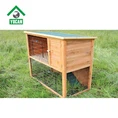


As a supplier of high - quality rabbit cages, including Wooden Rabbit Cage and Rabbit Cage with Wire Extension, I understand the importance of ensuring the well - being of rabbits. One crucial aspect of rabbit care is providing appropriate heating, especially during cold weather. In this blog, I'll share some scientific and practical tips on how to safely position a heat lamp in a rabbit cage.
Understanding the Rabbit's Thermal Needs
Rabbits are sensitive to temperature changes. They are most comfortable in temperatures between 10 - 21°C (50 - 70°F). When the temperature drops significantly below this range, they may face health issues such as hypothermia. A heat lamp can be a useful tool to maintain a suitable temperature in the cage, but it must be used correctly.
Selecting the Right Heat Lamp
Before positioning the heat lamp, it's essential to choose the right one. There are two main types of heat lamps: incandescent and ceramic. Incandescent heat lamps emit both light and heat, which can be beneficial if you want to provide some illumination in the cage at night. However, they may also disrupt the rabbit's natural sleep cycle. Ceramic heat emitters, on the other hand, produce only heat and no light, making them a better option for night - time use.
Safety First: Precautions Before Positioning
- Inspect the Lamp: Before installing the heat lamp, thoroughly check it for any signs of damage, such as cracked bulbs or frayed cords. A damaged lamp can pose a fire hazard.
- Use a Guard: Always use a heat lamp guard. This will prevent the rabbit from coming into direct contact with the hot bulb, reducing the risk of burns.
- Choose a Stable Mounting Point: Select a stable and secure location to mount the heat lamp. It should be firmly attached to the cage to prevent it from falling and injuring the rabbit or starting a fire.
Positioning the Heat Lamp in Different Types of Cages
In a Wooden Rabbit Cage
- Height: Hang the heat lamp at a height of about 12 - 18 inches (30 - 45 cm) above the floor of the cage. This distance ensures that the heat is evenly distributed without being too close to the rabbit, which could cause overheating or burns.
- Corner Placement: Position the heat lamp in one corner of the cage. This allows the rabbit to move to a cooler area if it gets too warm. Rabbits need the option to regulate their own body temperature by moving between warmer and cooler spots.
- Avoid Direct Contact with Wood: Make sure the heat lamp is not in direct contact with the wooden parts of the cage. Wood is a combustible material, and prolonged exposure to high heat can cause it to catch fire.
In a Rabbit Cage with Wire Extension
- Side Mounting: For cages with wire extensions, you can mount the heat lamp on the side of the cage. This way, the heat is radiated into the cage without blocking the rabbit's movement.
- Distance from Wire: Keep the heat lamp at least 6 inches (15 cm) away from the wire mesh. This prevents the wire from getting too hot, which could potentially burn the rabbit if it touches the wire.
- Adjustable Mount: Consider using an adjustable mounting system so that you can change the angle and height of the heat lamp as needed. This is especially useful if the rabbit's behavior or the ambient temperature changes.
Monitoring the Temperature
Once the heat lamp is installed, it's crucial to monitor the temperature inside the cage regularly. You can use a thermometer to measure the temperature at different points in the cage, especially in the area directly under the heat lamp and in the cooler corners. Aim to keep the temperature within the rabbit's comfort range.
If the temperature is too high, you can lower the heat output by adjusting the height of the lamp or using a lower - wattage bulb. If it's too low, you may need to raise the lamp closer to the floor or increase the wattage.
Additional Tips for Safe Heat Lamp Use
- Provide Shade: Even with a heat lamp, it's important to provide some shaded areas in the cage. You can use a cardboard box or a wooden shelter where the rabbit can retreat to escape the heat.
- Regular Checks: Check the heat lamp and its connections daily to ensure that everything is in good working condition. Look for any signs of overheating, loose wires, or other issues.
- Emergency Plan: Have an emergency plan in case of a heat lamp malfunction. Know how to quickly turn off the power and remove the lamp if necessary.
Conclusion
Positioning a heat lamp in a rabbit cage safely is a combination of understanding the rabbit's needs, choosing the right equipment, and following proper installation and monitoring procedures. By taking these steps, you can ensure that your rabbits stay warm and comfortable during cold weather without compromising their safety.


If you're in the market for high - quality rabbit cages or have any questions about rabbit care, I invite you to reach out for a procurement discussion. We're here to provide you with the best products and advice to keep your rabbits healthy and happy.
References
- "The House Rabbit Handbook" by Marinell Harriman
- "Rabbit Behavior and Health" by Dr. Susan Brown