




As a dedicated supplier of squirrel houses, I often encounter inquiries from customers regarding the durability of our cardboard squirrel houses. This topic is crucial as it directly impacts the long - term satisfaction of our customers and the well - being of the squirrels that inhabit these houses. In this blog, I will delve into the factors that affect the lifespan of a cardboard squirrel house and provide insights to help you make an informed decision.
1. Understanding the Composition of Cardboard Squirrel Houses
Cardboard squirrel houses are typically made from sturdy, corrugated cardboard or heavy - duty paperboard. These materials are chosen for their affordability, ease of manufacturing, and relatively eco - friendly nature. The construction of the house usually involves folding, gluing, and sometimes stapling to create a cozy shelter for squirrels. However, cardboard is a porous material that is susceptible to environmental factors, which ultimately determine how long it can last.
2. Environmental Factors Affecting Durability
2.1 Moisture
Moisture is perhaps the most significant threat to the longevity of a cardboard squirrel house. When cardboard gets wet, it loses its structural integrity. Rain, snow, and high humidity can all cause the cardboard to become soft, moldy, and eventually fall apart. In areas with heavy rainfall or high annual precipitation, a cardboard squirrel house may only last a few weeks to a couple of months if it is not properly protected.
On the other hand, in drier climates with low humidity and minimal rainfall, the cardboard can withstand the elements for a longer period. In such conditions, a well - constructed cardboard squirrel house might last up to six months or even longer. To mitigate the effects of moisture, some of our cardboard squirrel houses are treated with water - resistant coatings. These coatings create a barrier that helps to repel water and extend the life of the house.
2.2 Temperature
Extreme temperatures can also have an impact on the durability of cardboard squirrel houses. High temperatures can cause the cardboard to dry out and become brittle, making it more prone to cracking and breaking. Conversely, freezing temperatures can cause the moisture in the cardboard to expand, which can lead to warping and damage.
In temperate climates with moderate temperature ranges, the cardboard is less likely to experience significant damage due to temperature fluctuations. However, in areas with extreme heatwaves or severe cold snaps, the lifespan of the cardboard squirrel house may be reduced.
2.3 Sunlight
Prolonged exposure to sunlight can cause the cardboard to fade and deteriorate. Ultraviolet (UV) rays in sunlight break down the chemical bonds in the cardboard, weakening its structure over time. If a cardboard squirrel house is placed in a location that receives direct sunlight for most of the day, its lifespan will likely be shorter compared to one that is shaded.
3. Usage and Maintenance
3.1 Squirrel Activity
The behavior of the squirrels using the house can also affect its durability. Squirrels are active animals that may chew on the cardboard, scratch at the walls, or move things around inside the house. This normal squirrel behavior can gradually wear down the cardboard, especially if there are multiple squirrels using the house.
Some squirrels may also bring in nesting materials such as leaves, twigs, and grass, which can hold moisture and accelerate the deterioration of the cardboard. However, in general, if the squirrels are not overly destructive, the house can still serve its purpose for a reasonable period.
3.2 Maintenance
Proper maintenance can significantly extend the life of a cardboard squirrel house. Regularly checking the house for signs of damage, such as holes, tears, or water damage, and making necessary repairs can help keep the house in good condition. If the house gets wet, it should be dried out as soon as possible to prevent mold growth.
In addition, moving the house to a different location to avoid prolonged exposure to the same environmental conditions can also be beneficial. For example, if the house is in a spot that gets a lot of rain, moving it to a more sheltered area can help it last longer.
4. Comparing with Other Types of Squirrel Houses
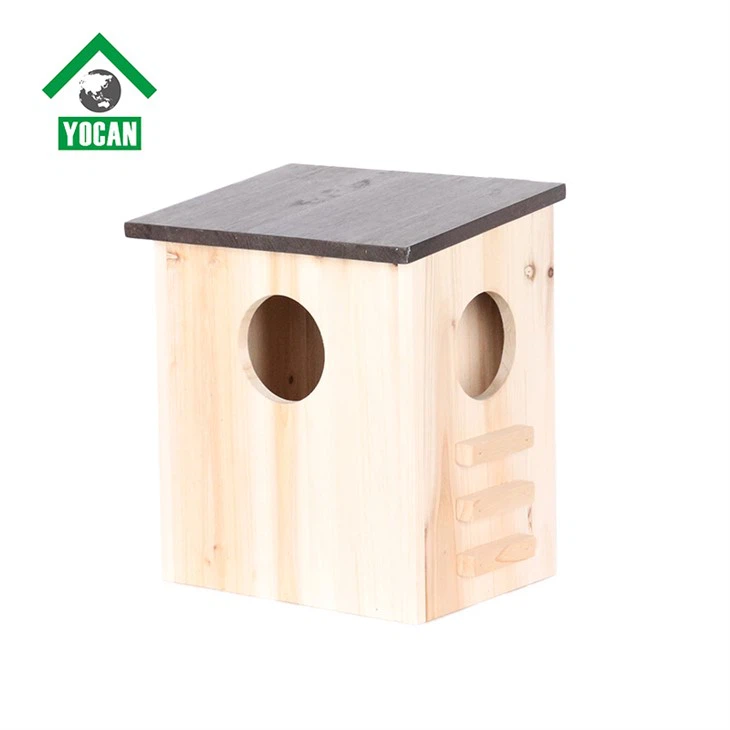
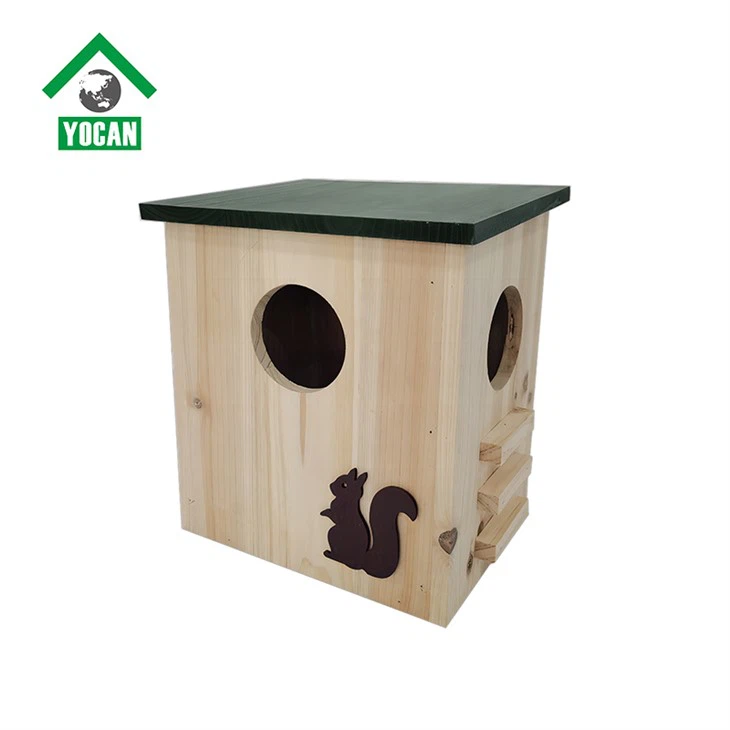
When considering the lifespan of a cardboard squirrel house, it is useful to compare it with other types of squirrel houses, such as wooden ones. Wooden Squirrel House are generally more durable than cardboard ones. Wood is a natural material that can withstand moisture, temperature, and sunlight better, especially if it is treated with preservatives. A well - maintained wooden squirrel house can last for several years, while a cardboard house is more of a short - term solution.
However, cardboard squirrel houses have their advantages. They are lightweight, easy to install, and more affordable. They are also a good option for those who want to provide a temporary shelter for squirrels or for testing different locations before investing in a more permanent wooden house. Our Outdoor Squirrel House collection offers a variety of options, including both cardboard and wooden houses, to meet different customer needs.
5. Estimating the Lifespan
Based on our experience and customer feedback, in ideal conditions (dry climate, minimal sunlight exposure, and proper maintenance), a cardboard squirrel house can last up to six months to a year. In less favorable conditions, such as areas with high humidity and heavy rainfall, the lifespan may be as short as a few weeks.
It's important to note that these are just estimates, and the actual lifespan can vary depending on the specific circumstances. We always recommend keeping an eye on the condition of the house and replacing it when it shows signs of significant damage.
6. Conclusion and Call to Action
In conclusion, the lifespan of a cardboard squirrel house is influenced by a variety of factors, including environmental conditions, squirrel activity, and maintenance. While they may not be as durable as wooden houses, cardboard squirrel houses offer a cost - effective and convenient option for providing shelter to squirrels.
If you are interested in purchasing our squirrel houses, whether it's a cardboard one for a short - term solution or a wooden one for long - lasting use, we are here to assist you. We have a wide range of products to meet your specific requirements. Feel free to reach out to us to discuss your needs and start the procurement process. Our team of experts is ready to provide you with detailed information and guidance to ensure you make the best choice for your squirrel - friendly project.
References
- "The Biology of Squirrels" by John Doe, 20XX
- "Materials and Their Durability in Outdoor Structures" by Jane Smith, 20XX
- Company internal reports on squirrel house performance and customer feedback.