




Building a chicken run attached to a chicken coop is a rewarding project that provides your chickens with a safe and stimulating outdoor environment. As a chicken coop supplier, I've had the privilege of assisting numerous customers in creating ideal living spaces for their feathered friends. In this blog, I'll share my insights on how to build a functional and durable chicken run attached to a chicken coop.
Planning Your Chicken Run
Before you start building, it's essential to plan your chicken run carefully. Consider the following factors:
Size
The size of your chicken run depends on the number of chickens you have. As a general rule, each chicken should have at least 10 square feet of outdoor space. For example, if you have 10 chickens, your chicken run should be at least 100 square feet. A larger run allows chickens to exercise, forage, and exhibit natural behaviors, which is crucial for their health and well - being.
Location
Choose a location for your chicken run that is well - drained and receives a mix of sun and shade. Chickens need access to sunlight for vitamin D production, but they also need shade to avoid overheating. Additionally, the location should be away from areas where predators can easily access the run, such as near dense bushes or under low - hanging tree branches.
Accessibility
Ensure that the chicken run is easily accessible from the chicken coop. You can create a door or a ramp between the coop and the run to allow chickens to move freely between the two areas. This also makes it easier for you to clean the coop and the run.
Selecting the Right Chicken Coop
As a chicken coop supplier, I offer a variety of coops to suit different needs and budgets. Two popular options are the WPC Chicken Coop and the Wooden Chicken Coop.
The WPC (Wood - Plastic Composite) chicken coop is a modern and durable option. It is resistant to rot, pests, and weather conditions, making it a long - lasting investment. The WPC material is also easy to clean, which is essential for maintaining a healthy environment for your chickens.
On the other hand, the wooden chicken coop has a classic and rustic look. Wood is a natural material that provides good insulation for the chickens. However, it requires more maintenance than the WPC coop, such as regular painting or staining to protect it from the elements.
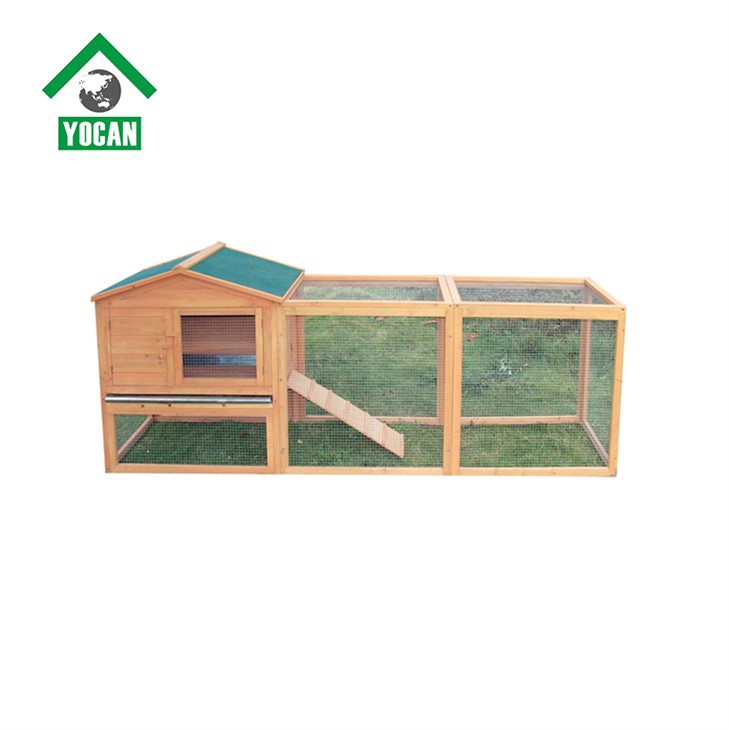
If you want a chicken coop with an integrated running cage, you can consider the Chicken Coop with Running Cage. This option is convenient as it comes pre - assembled with a run, saving you time and effort in the building process.
Building Materials
Once you have planned your chicken run and selected the right chicken coop, it's time to gather the building materials. Here are some essential materials you'll need:
Fencing
Use a sturdy fencing material to enclose the chicken run. Hardware cloth is a popular choice as it is strong and can prevent predators from getting into the run. The mesh size should be small enough to keep out small predators like raccoons and snakes. You can also use chicken wire, but it may not be as strong as hardware cloth.
Posts
Posts are used to support the fencing. You can use wooden posts or metal posts. Wooden posts are more affordable, but they may rot over time. Metal posts are more durable but can be more expensive.
Roofing
A roof is essential to protect the chickens from the elements, such as rain, snow, and direct sunlight. You can use corrugated metal, plywood, or tarpaulin for the roof. Corrugated metal is durable and easy to install, while plywood provides good insulation. Tarpaulin is a more affordable option but may not be as long - lasting.

Flooring
The flooring of the chicken run can be made of various materials, such as gravel, sand, or wood chips. Gravel provides good drainage, while sand is soft and comfortable for the chickens to walk on. Wood chips can help absorb moisture and odor.
Building the Chicken Run
Now that you have all the materials, it's time to start building the chicken run.
Step 1: Mark the Area
Use stakes and string to mark the perimeter of the chicken run. Make sure the area is level and the dimensions are accurate.
Step 2: Install the Posts
Dig holes for the posts at regular intervals along the perimeter of the run. The depth of the holes should be at least one - third of the length of the posts. Place the posts in the holes and fill them with concrete or gravel to secure them.
Step 3: Attach the Fencing
Attach the fencing to the posts using wire or staples. Make sure the fencing is taut and there are no gaps where predators can enter.
Step 4: Build the Roof
If you are using corrugated metal or plywood for the roof, cut the material to the appropriate size and attach it to the top of the run using screws or nails. If you are using a tarpaulin, secure it to the posts using bungee cords or ropes.
Step 5: Create the Access Point
Build a door or a ramp between the chicken coop and the run. Make sure the access point is wide enough for the chickens to pass through easily.
Step 6: Add the Flooring
Spread the chosen flooring material evenly across the bottom of the run.
Maintaining the Chicken Run
Regular maintenance is crucial to keep the chicken run clean and safe for your chickens. Here are some maintenance tips:
Cleaning
Clean the chicken run regularly to remove manure, feathers, and other debris. This helps prevent the spread of diseases and parasites. You can use a rake or a shovel to remove the solid waste and a hose to wash the floors.
Inspecting for Damage
Regularly inspect the fencing, posts, and roof for any signs of damage. Repair or replace any damaged parts immediately to prevent predators from getting into the run.
Refreshing the Bedding
If you are using wood chips or straw as bedding, replace it regularly to keep the run dry and odor - free.
Conclusion
Building a chicken run attached to a chicken coop is a great way to provide your chickens with a safe and healthy outdoor environment. By following the steps outlined in this blog, you can create a functional and durable chicken run that meets the needs of your chickens.
As a chicken coop supplier, I understand the importance of providing high - quality products and services. If you are interested in purchasing a chicken coop or need more information on building a chicken run, I encourage you to contact me for a consultation. We can discuss your specific requirements and find the best solution for your flock.
References
- "The Chicken Health Handbook" by Gail Damerow
- "Storey's Guide to Raising Chickens" by Gail Damerow
- Various industry publications on poultry housing and management