




Hey there, fellow pet lovers! I'm a supplier of pet hutches, and I know firsthand how important it is to create a comfortable and functional living space for our furry friends. One common challenge that pet owners face is finding a way to incorporate a litter box into their pet hutch. In this blog post, I'll share some tips and tricks on how to add a litter box to a pet hutch, so your pet can have a clean and cozy place to do their business.
Why You Need a Litter Box in Your Pet Hutch
First things first, let's talk about why having a litter box in your pet hutch is so important. For one, it helps keep the hutch clean and odor-free. When your pet has a designated area to do their business, it's much easier to clean up after them and prevent messes from spreading throughout the hutch. Additionally, a litter box can help prevent health problems for your pet. By keeping their living space clean, you can reduce the risk of infections and other health issues.
Choosing the Right Litter Box
The first step in adding a litter box to your pet hutch is choosing the right one. There are a few things to consider when selecting a litter box for your pet.
- Size: The litter box should be large enough for your pet to comfortably turn around and do their business. A good rule of thumb is to choose a litter box that is at least one and a half times the length of your pet.
- Type: There are several types of litter boxes available, including open-top, covered, and self-cleaning. Open-top litter boxes are the most basic and affordable option, but they can be messy and may not contain odors as well as covered or self-cleaning litter boxes. Covered litter boxes provide more privacy for your pet and can help contain odors, but they may be more difficult to clean. Self-cleaning litter boxes are the most convenient option, but they can be expensive.
- Material: Litter boxes can be made from a variety of materials, including plastic, metal, and ceramic. Plastic litter boxes are the most common and affordable option, but they can be easily scratched and may harbor bacteria. Metal litter boxes are more durable and easy to clean, but they can be heavy and may rust over time. Ceramic litter boxes are the most aesthetically pleasing option, but they can be fragile and expensive.
Finding the Right Location
Once you've chosen the right litter box for your pet, the next step is to find the right location for it in the hutch. Here are some things to consider when choosing a location for the litter box:
- Privacy: Your pet will feel more comfortable using the litter box if it's located in a quiet, private area of the hutch. Avoid placing the litter box near your pet's food and water bowls, as this can make them feel uncomfortable.
- Accessibility: The litter box should be easily accessible for your pet. Make sure there are no obstacles or barriers between your pet and the litter box, and that the entrance to the litter box is wide enough for your pet to comfortably enter and exit.
- Ventilation: It's important to choose a location for the litter box that has good ventilation. This will help prevent odors from building up in the hutch and keep the air fresh and clean.
Preparing the Hutch
Before you add the litter box to the hutch, you'll need to prepare the area where it will be located. Here are some steps to follow:
- Clean the area: Use a mild detergent and warm water to clean the area where the litter box will be placed. Make sure to remove any dirt, debris, or urine stains.
- Line the area: To protect the hutch from urine and feces, you can line the area where the litter box will be placed with a waterproof liner or a layer of newspaper.
- Secure the litter box: Once you've placed the litter box in the hutch, make sure it's secure and won't tip over or move around. You can use non-slip pads or adhesive strips to keep the litter box in place.
Adding the Litter
Now that you've prepared the hutch and placed the litter box in the right location, it's time to add the litter. Here are some tips on choosing and adding litter to the litter box:
- Choose the right litter: There are several types of litter available, including clumping, non-clumping, clay, and natural. Choose a litter that is appropriate for your pet's needs and preferences.
- Add the right amount of litter: The amount of litter you add to the litter box will depend on the size of the litter box and the type of litter you're using. As a general rule, you should add enough litter to cover the bottom of the litter box by about 2-3 inches.
- Change the litter regularly: To keep the litter box clean and odor-free, you should change the litter regularly. How often you need to change the litter will depend on the number of pets you have and how often they use the litter box. As a general rule, you should change the litter at least once a week.
Training Your Pet
Once you've added the litter box to the hutch and filled it with litter, it's time to train your pet to use it. Here are some tips on training your pet to use the litter box:
- Show your pet the litter box: When you first bring your pet home, show them where the litter box is located and encourage them to explore it. You can do this by placing your pet in the litter box and gently scratching the litter with their paws.
- Reward your pet: When your pet uses the litter box, praise them and give them a treat. This will help reinforce the behavior and make them more likely to use the litter box in the future.
- Be patient: Training your pet to use the litter box takes time and patience. Don't get frustrated if your pet has accidents outside of the litter box. Just clean up the mess and continue to encourage them to use the litter box.
Maintaining the Litter Box
Once your pet is using the litter box regularly, it's important to maintain it to keep it clean and odor-free. Here are some tips on maintaining the litter box:
- Scoop the litter daily: To keep the litter box clean, you should scoop the litter daily to remove any feces and urine clumps. This will help prevent odors from building up in the litter box.
- Change the litter regularly: As mentioned earlier, you should change the litter in the litter box at least once a week. This will help keep the litter box clean and fresh.
- Clean the litter box regularly: In addition to scooping the litter and changing it regularly, you should also clean the litter box itself regularly. You can do this by emptying the litter box, washing it with a mild detergent and warm water, and drying it thoroughly before adding fresh litter.
Conclusion
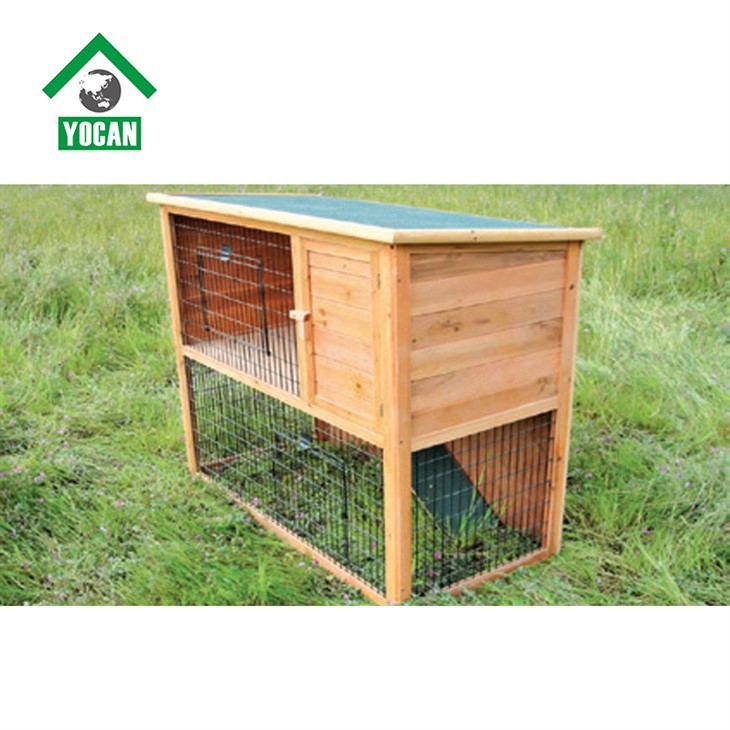
Adding a litter box to a pet hutch is a great way to keep your pet's living space clean and odor-free. By following the tips and tricks outlined in this blog post, you can easily add a litter box to your pet hutch and train your pet to use it. If you're in the market for a new pet hutch, be sure to check out our 2 Stories Pet Hutch. It's a great option for pets of all sizes and comes with plenty of space for a litter box.
If you have any questions or would like to learn more about our pet hutches or other pet supplies, please don't hesitate to contact us. We're always happy to help!
References
- "How to Train Your Cat to Use a Litter Box." The Spruce Pets, https://www.thesprucepets.com/how-to-train-a-cat-to-use-a-litter-box-552483.
- "Choosing the Right Litter Box for Your Cat." ASPCA, https://www.aspca.org/pet-care/cat-care/choosing-right-litter-box-your-cat.
- "How to Keep Your Cat's Litter Box Clean." Hill's Pet, https://www.hillspet.com/cat-care/behavior-appearance/how-to-keep-your-cats-litter-box-clean.