




As a supplier of Hedgehog Houses, I understand the importance of providing a safe and secure environment for these adorable creatures. Hedgehogs are vulnerable to predators, and ensuring their houses are predator - proof is crucial for their well - being. In this blog, I'll share some effective strategies to prevent predators from accessing a Hedgehog House.
Understanding the Predators
Before we discuss prevention methods, it's essential to know which animals pose a threat to hedgehogs. Common predators include foxes, badgers, large birds of prey like owls, and domestic dogs and cats. Foxes are opportunistic hunters and may see hedgehogs as an easy meal. Badgers, with their strength and tenacity, can break into a poorly - designed Hedgehog House. Birds of prey can swoop down and snatch a hedgehog from an exposed location. Domestic pets, if not properly supervised, may also harm hedgehogs.
Choosing the Right Hedgehog House
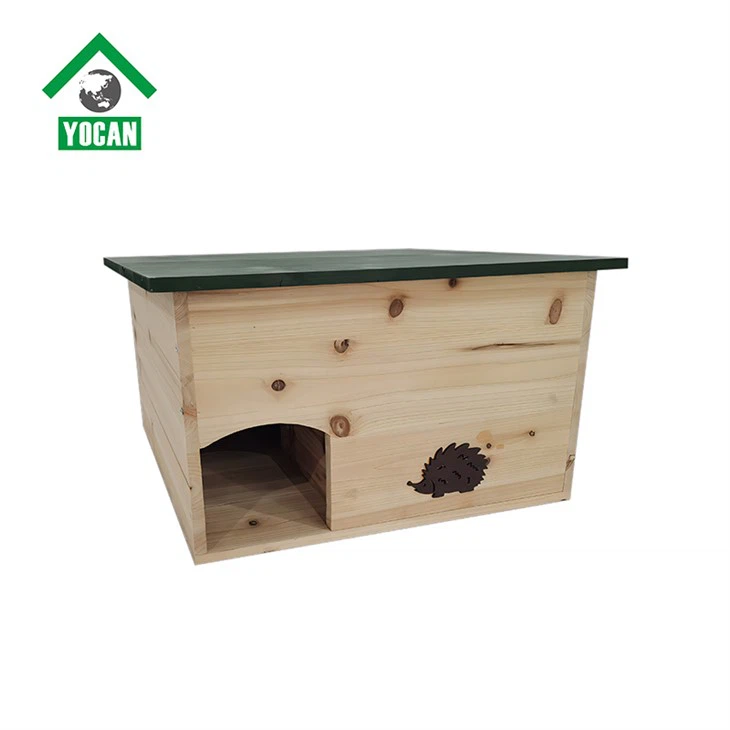
The first step in preventing predator access is to select a well - constructed Hedgehog House. Our Large Hedgehog House is an excellent choice. It is made of high - quality materials that are durable and difficult for predators to break through. The design includes a narrow entrance, which makes it challenging for larger predators to enter. The size of the house also provides enough space for the hedgehog to move around comfortably while still being snug enough to feel secure.
Another option is the Squirrel Hut House Wood. This house is crafted from natural wood, which not only gives it an aesthetic appeal but also provides good insulation. The wooden structure is sturdy and can withstand some external pressure from predators.
Our Wooden Outdoor Hedgehog House is also a great option. It is designed to blend in with the natural environment, making it less noticeable to predators. The thick wooden walls offer protection against bites and scratches from potential threats.
Location, Location, Location
The placement of the Hedgehog House is crucial in preventing predator access. Choose a location that is well - hidden. Place the house under dense shrubs or bushes. These natural barriers can make it difficult for predators to spot the house. Predators, especially birds of prey, rely on visual cues to find their prey. By hiding the house, you reduce the chances of it being detected.
Avoid placing the Hedgehog House in open areas or near areas where predators are likely to frequent. For example, don't put it close to a fox's den or a badger's path. Instead, look for a quiet corner of your garden or yard. If possible, place the house near a wall or a fence. This provides an extra layer of protection as predators will have to approach from one side only.
Reinforcing the Hedgehog House
To further prevent predators from accessing the Hedgehog House, you can reinforce it. You can add wire mesh around the outside of the house. Make sure the mesh has small enough holes so that predators cannot reach through. The wire mesh should be firmly attached to the house to prevent it from being pulled off.
You can also use bricks or stones to create a barrier around the base of the house. This will prevent predators from digging under the house to get to the hedgehog. Stack the bricks or stones in a way that they form a solid wall. You can even bury the bottom part of the bricks or stones slightly to make it more difficult for predators to move them.
Using Deterrents
There are several natural deterrents that you can use to keep predators away from the Hedgehog House. For example, certain plants have scents that predators dislike. Planting lavender, mint, or rosemary around the Hedgehog House can help. These plants not only add a pleasant aroma to your garden but also act as a natural barrier.
You can also use predator - specific deterrents. For example, there are ultrasonic devices available that emit high - frequency sounds that are unpleasant to foxes and other predators. Place these devices near the Hedgehog House, and they can help keep predators at bay.

Monitoring the Area
Regularly monitor the area around the Hedgehog House. Look for signs of predator activity, such as footprints, droppings, or damage to the house. If you notice any signs, take immediate action. You may need to reinforce the house further or change its location.
You can also set up a wildlife camera near the Hedgehog House. This will allow you to see what is happening around the house, especially at night when many predators are active. By monitoring the area, you can be proactive in preventing predator access.
Educating Neighbors
If you live in a neighborhood, it's important to educate your neighbors about the importance of protecting hedgehogs. Encourage them to take steps to prevent their pets from harming hedgehogs. Let them know about the Hedgehog House in your garden and ask them to be vigilant.
You can also share information about the local hedgehog population and the threats they face. By working together as a community, you can create a safer environment for hedgehogs.
Conclusion
Preventing predators from accessing a Hedgehog House is a multi - faceted approach. By choosing the right house, placing it in a suitable location, reinforcing it, using deterrents, monitoring the area, and educating neighbors, you can significantly reduce the risk of predator attacks. As a Hedgehog House supplier, I am committed to providing high - quality products and sharing knowledge to ensure the safety and well - being of these wonderful creatures.
If you are interested in purchasing our Hedgehog Houses or have any questions about predator prevention, please feel free to reach out. We are more than happy to assist you in creating a safe haven for hedgehogs.
References
- "The Hedgehog Handbook" by Hedgehog Preservation Society
- "Wildlife Gardening: Creating a Haven for Hedgehogs" by National Wildlife Federation
- "Predators and Prey in the Garden Ecosystem" by Journal of Wildlife Ecology