




Building a chicken coop for Rhode Island Red chickens is a rewarding endeavor that requires careful planning and consideration. As a Chicken Coop supplier, I've had the privilege of helping numerous poultry enthusiasts create the perfect living space for their Rhode Island Reds. In this blog, I'll share my expertise on how to build a chicken coop tailored to the specific needs of these wonderful birds.
Understanding Rhode Island Red Chickens
Before we dive into the construction process, it's essential to understand the characteristics and requirements of Rhode Island Red chickens. These birds are known for their hardiness, productivity, and friendly nature. They are excellent layers, producing large brown eggs consistently throughout the year. Rhode Island Reds are also relatively active and enjoy foraging, so they need a coop that provides enough space for both indoor and outdoor activities.
Choosing the Right Location
The first step in building a chicken coop is selecting the right location. Here are some factors to consider:
- Sunlight and Shade: Choose a spot that receives plenty of sunlight in the morning but also has some shade during the hottest part of the day. This will help keep the chickens comfortable and prevent overheating.
- Drainage: Ensure the area has good drainage to prevent water from pooling around the coop. Standing water can lead to dampness, which can cause health problems for the chickens.
- Protection from Predators: Select a location that is protected from predators such as foxes, raccoons, and hawks. This may involve placing the coop near your house or installing fencing around the perimeter.
- Accessibility: Make sure the coop is easily accessible for cleaning, feeding, and collecting eggs. You'll also want to consider how you'll transport the chickens to and from the coop.
Determining the Size of the Coop
The size of the chicken coop will depend on the number of chickens you plan to keep. As a general rule, each Rhode Island Red chicken should have at least 4 square feet of indoor space and 8-10 square feet of outdoor space. However, if you have the room, it's always better to provide more space to allow the chickens to move around freely and engage in natural behaviors.
Selecting the Right Materials
When it comes to building a chicken coop, there are several materials to choose from. Here are some popular options:
- Wood: Wood is a traditional and popular choice for chicken coops. It's relatively easy to work with, provides good insulation, and can be customized to fit your specific needs. Check out our Wooden Chicken Coop for some great examples.
- WPC (Wood-Plastic Composite): WPC is a modern alternative to wood that offers several advantages. It's durable, weather-resistant, and requires less maintenance than wood. Our WPC Chicken Coop is a great option if you're looking for a long-lasting and low-maintenance coop.
- Metal: Metal chicken coops are another option, especially if you're looking for a durable and secure coop. However, metal can get hot in the summer and cold in the winter, so you'll need to provide adequate insulation.
Building the Coop
Once you've chosen the location, determined the size, and selected the materials, it's time to start building the coop. Here's a step-by-step guide:

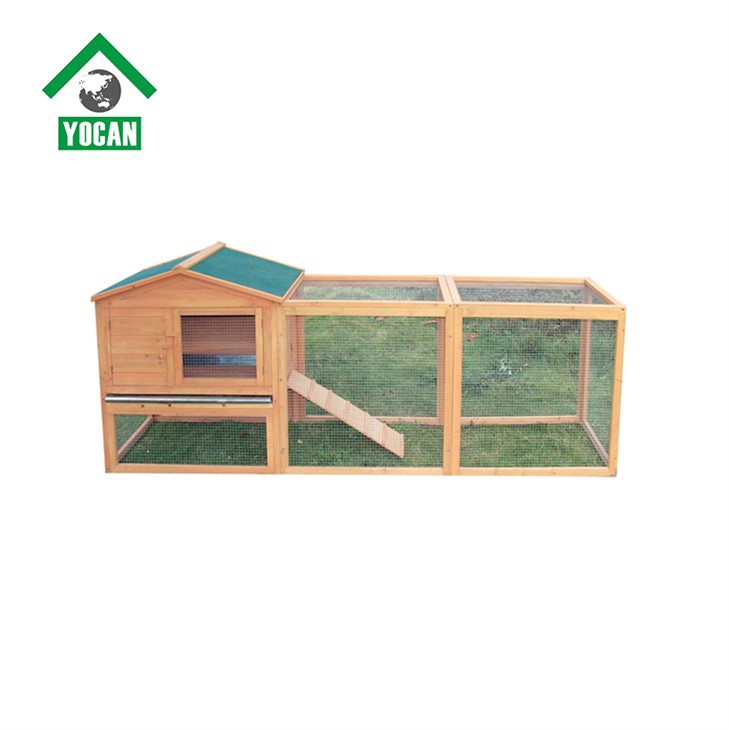
- Build the Frame: Start by building the frame of the coop using 2x4s or other suitable lumber. Make sure the frame is square and level.
- Install the Siding: Attach the siding to the frame using nails or screws. You can use plywood, cedar shakes, or other materials for the siding.
- Add the Roof: Install the roof using roofing materials such as shingles, metal, or plastic. Make sure the roof is sloped to allow water to drain off.
- Install the Windows and Doors: Cut openings for the windows and doors and install them using hinges and latches. Make sure the windows and doors are secure and provide adequate ventilation.
- Add the Nesting Boxes: Build and install the nesting boxes inside the coop. Each nesting box should be about 12x12 inches and filled with clean straw or shavings.
- Install the Roosting Bars: Install the roosting bars inside the coop at a height of about 2-3 feet off the ground. Make sure the roosting bars are sturdy and provide enough space for the chickens to perch comfortably.
- Add the Flooring: Install the flooring inside the coop using materials such as plywood, linoleum, or concrete. Make sure the flooring is easy to clean and provides good traction for the chickens.
Adding an Outdoor Run
In addition to the indoor coop, Rhode Island Red chickens also need an outdoor run where they can forage, exercise, and soak up the sun. Here are some tips for building an outdoor run:
- Size: The outdoor run should be at least 8-10 square feet per chicken. If possible, provide even more space to allow the chickens to move around freely.
- Fencing: Install fencing around the perimeter of the outdoor run to keep the chickens safe from predators. Use chicken wire or hardware cloth with small openings to prevent predators from getting in.
- Roofing: Consider adding a roof to the outdoor run to provide shade and protection from the elements. You can use materials such as tarps, polycarbonate sheets, or metal roofing.
- Ground Cover: Cover the ground inside the outdoor run with materials such as straw, wood chips, or gravel. This will help keep the area clean and dry and provide a comfortable surface for the chickens to walk on.
Providing Essential Amenities
To keep your Rhode Island Red chickens healthy and happy, you'll need to provide them with some essential amenities. Here are some things to consider:
- Food and Water: Provide your chickens with a constant supply of fresh food and water. Use feeders and waterers that are easy to clean and refill.
- Bedding: Line the nesting boxes and the floor of the coop with clean straw or shavings. This will provide a comfortable and clean place for the chickens to sleep and lay their eggs.
- Ventilation: Make sure the coop has adequate ventilation to prevent the buildup of ammonia and other harmful gases. You can install windows, vents, or fans to improve air circulation.
- Lighting: Provide your chickens with 14-16 hours of light per day to encourage egg production. You can use artificial lighting to supplement natural sunlight.
Maintaining the Chicken Coop
Once your chicken coop is built and your chickens are settled in, it's important to maintain the coop regularly to keep it clean and safe. Here are some tips for maintaining the chicken coop:
- Clean the Coop Regularly: Remove the soiled bedding and droppings from the coop at least once a week. Use a shovel or rake to clean the floor and nesting boxes.
- Disinfect the Coop: Every few months, disinfect the coop using a poultry-safe disinfectant. This will help prevent the spread of diseases and parasites.
- Check for Damage: Regularly inspect the coop for damage and make any necessary repairs. Check the fencing, windows, doors, and roof for signs of wear and tear.
- Monitor the Chickens' Health: Keep an eye on your chickens' health and behavior. Look for signs of illness, such as lethargy, loss of appetite, or abnormal droppings. If you notice any problems, consult a veterinarian.
Conclusion
Building a chicken coop for Rhode Island Red chickens is a fun and rewarding project that requires some planning and effort. By following the tips and guidelines outlined in this blog, you can create a comfortable and safe home for your chickens that will provide them with years of enjoyment. As a Chicken Coop supplier, we offer a wide range of high-quality chicken coops and accessories to meet your needs. If you're interested in learning more about our products or have any questions about building a chicken coop, please don't hesitate to contact us. We'd be happy to help you get started on your chicken-keeping journey.
References
- Backyard Chickens: A Beginner's Guide to Raising Chickens in Your Backyard by Gail Damerow
- Storey's Guide to Raising Chickens by Carol Ekarius
- The Chicken Encyclopedia by Gail Damerow