




Building a chicken coop for Sussex chickens requires careful planning, attention to detail, and a good understanding of the breed's needs. As a chicken coop supplier, I've helped numerous chicken keepers create the perfect homes for their feathered friends. In this blog post, I'll share my expertise on how to build a chicken coop specifically tailored to Sussex chickens.
Understanding Sussex Chickens
Sussex chickens are a popular dual - purpose breed known for their friendly nature, hardiness, and excellent egg - laying abilities. They are medium - to large - sized birds, with hens weighing around 6 - 7 pounds and roosters around 8 - 9 pounds. These chickens are adaptable to different climates but prefer a bit of space to roam. They are also quite active, so a well - designed coop and run will keep them healthy and happy.
Location Selection
The first step in building a chicken coop for Sussex chickens is choosing the right location. The coop should be placed in an area that is well - drained to prevent waterlogging, which can lead to wet and dirty conditions inside the coop. A spot with partial shade is ideal, as Sussex chickens can get overheated in direct sunlight during hot summer months.
The location should also be secure from predators. Avoid areas near thick bushes or tall grass where predators like foxes, raccoons, or snakes can hide. Additionally, make sure the area is accessible for you to clean the coop, collect eggs, and provide food and water.
Size Requirements
When it comes to the size of the chicken coop, a general rule of thumb is to provide at least 4 square feet of indoor space per chicken. For Sussex chickens, since they are medium - to large - sized, it's better to aim for 5 - 6 square feet per bird. This gives them enough room to move around, roost, and nest comfortably.
The outdoor run should be even more spacious. Each Sussex chicken needs about 10 - 15 square feet of outdoor space. This allows them to forage, dust - bathe, and stretch their legs. A larger run also helps prevent boredom and aggression among the chickens.
Coop Design
Ventilation
Proper ventilation is crucial for a chicken coop. Good airflow helps remove moisture, ammonia, and other harmful gases from the coop. Install vents near the ceiling of the coop. These can be simple screened openings that allow fresh air to enter and stale air to exit. However, make sure the vents are protected from rain and predators.
Roosting Bars
Sussex chickens like to roost at night. Provide roosting bars that are at least 2 inches wide and smooth to prevent foot problems. The bars should be placed at a height of about 2 - 3 feet from the floor. Space the bars about 12 inches apart to give each chicken enough room.
Nesting Boxes
Each hen needs her own nesting box. For Sussex chickens, provide nesting boxes that are about 12 inches by 12 inches by 12 inches. Line the boxes with soft bedding material such as straw or wood shavings. Place the nesting boxes in a quiet, dark corner of the coop to encourage the hens to lay their eggs there.
Flooring
The flooring of the chicken coop can be made of various materials. Concrete floors are easy to clean and can prevent predators from digging into the coop. However, they can be cold in winter. You can cover them with a layer of straw or wood shavings for insulation.
Wooden floors are also a popular choice. They are more insulating than concrete but need to be replaced more often as they can rot over time. You can also use wire mesh flooring, but it should be covered with a layer of bedding to protect the chickens' feet.
Materials Selection
As a chicken coop supplier, I offer a variety of coop materials to suit different needs and budgets.
- WPC Chicken Coop: WPC Chicken Coop is a great option. WPC (Wood - Plastic Composite) is a durable and low - maintenance material. It combines the look of wood with the strength and weather - resistance of plastic. It doesn't rot, warp, or attract termites, making it a long - lasting choice for your chicken coop.
- Wooden Chicken Coop: Wooden Chicken Coop has a natural and rustic look. Wood is a traditional material for chicken coops. It is easy to work with and provides good insulation. However, it requires regular maintenance such as painting or staining to protect it from the elements.
- Chicken Coop with Running Cage: Chicken Coop with Running Cage is a convenient option if you want to provide both indoor and outdoor space for your Sussex chickens in one unit. These coops come with a built - in running cage that allows the chickens to move freely between the indoor and outdoor areas.
Building the Coop
Once you have selected the location, size, design, and materials, it's time to start building.
- Frame Construction: Start by building the frame of the coop. Use sturdy lumber for the frame to ensure the coop is stable. Cut the lumber to the appropriate lengths and assemble them using nails or screws.
- Wall Installation: Attach the walls to the frame. If you are using WPC or wooden panels, make sure they are securely fastened. Seal any gaps between the panels to prevent drafts.
- Roof Installation: Install the roof. A sloped roof is ideal as it allows rainwater to run off easily. You can use roofing materials such as asphalt shingles, metal roofing, or corrugated plastic.
- Door and Window Installation: Cut openings for the doors and windows. Install hinges and latches on the doors to ensure they open and close properly. Use wire mesh for the windows to provide ventilation while keeping predators out.
- Interior Setup: Install the roosting bars, nesting boxes, and feeders and waterers inside the coop. Make sure everything is securely attached and at the right height for the chickens.
Coop Maintenance
Regular maintenance is essential to keep your chicken coop in good condition and your Sussex chickens healthy.
- Cleaning: Clean the coop at least once a week. Remove all the bedding, droppings, and leftover food. Wash the feeders and waterers regularly to prevent the growth of bacteria.
- Inspection: Inspect the coop regularly for any signs of damage, such as loose boards, holes in the wire mesh, or leaks in the roof. Repair any damage immediately to prevent predators from entering and to keep the coop weather - tight.
- Bedding Replacement: Replace the bedding in the coop and nesting boxes every few weeks. Fresh bedding helps keep the coop clean and dry.
Conclusion
Building a chicken coop for Sussex chickens is a rewarding project that requires careful planning and attention to detail. By understanding the needs of Sussex chickens, choosing the right location, size, design, and materials, and performing regular maintenance, you can create a comfortable and secure home for your feathered friends.
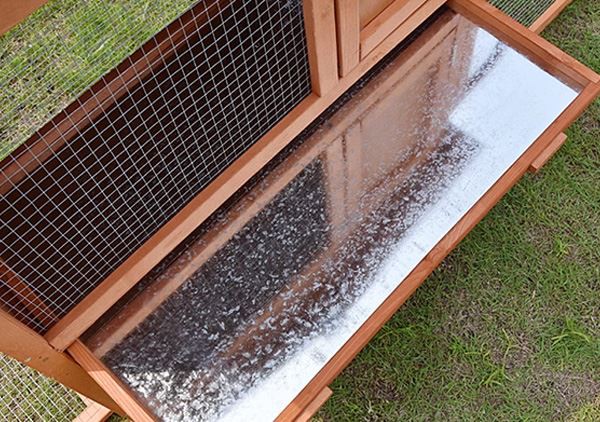
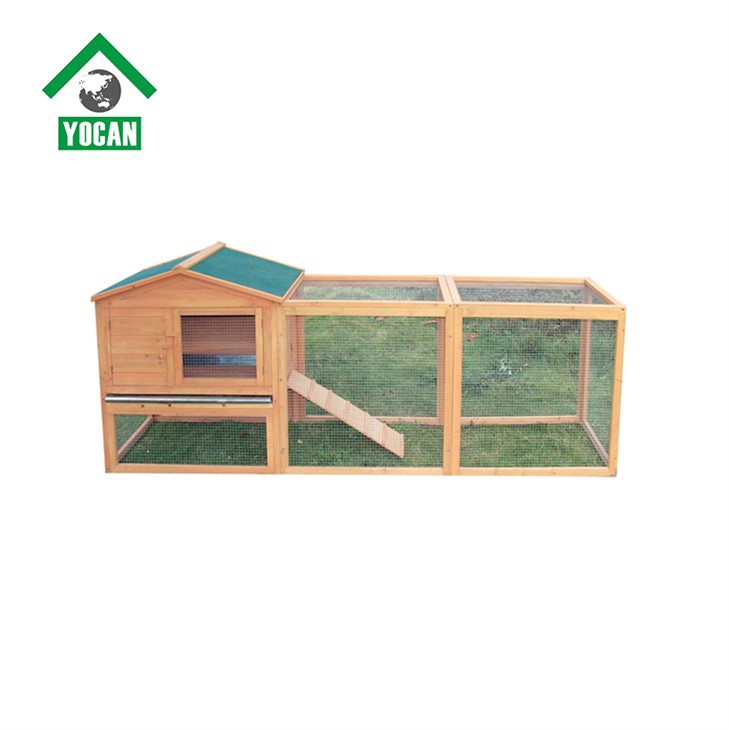
If you are interested in purchasing a chicken coop for your Sussex chickens, we are here to help. We offer a wide range of high - quality chicken coops made from different materials to meet your specific requirements. Contact us to start the procurement negotiation process, and let us help you build the perfect home for your chickens.
References
- "Storey's Guide to Raising Chickens" by Gail Damerow
- "The Chicken Encyclopedia" by Gail Damerow
- Various industry reports on chicken coop design and construction