


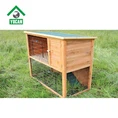


Hey there, fellow cat lovers! As a supplier of wooden cat trees, I've seen my fair share of scratches on these awesome pieces of furniture for our furry friends. You know, cats just love to scratch, it's in their nature. And while it's great for them to have a proper outlet for this behavior, it can leave our wooden cat trees looking a bit worse for wear. But don't worry, I'm here to share some tips on how to clean those scratches and make your cat tree look good as new.
First things first, let's talk about why scratches happen in the first place. Cats scratch to mark their territory, stretch their muscles, and keep their claws in good shape. A wooden cat tree is the perfect place for them to do all these things. Whether you have a Wooden Cat Condo Tree, a Fashion Wooden Cat Tree, or a Modern Wooden Cat Tree, scratches are almost inevitable.
Now, before you start cleaning the scratches, you need to assess the damage. There are different types of scratches, and each one requires a different approach.
Super Light Scratches
The lightest scratches are usually just on the surface of the finish. You can often tell these apart because they don't feel rough when you run your finger over them. For these, a simple polish can work wonders.
Grab a good quality wood polish. You can find these at your local hardware store or pet supply shop. Just follow the instructions on the bottle. Usually, you'll want to apply a small amount of polish to a soft cloth and gently rub it into the scratched area in the direction of the wood grain. This can often fill in the scratch and make it less noticeable. It also gives the wood a nice shine, making your cat tree look better overall.
Medium Scratches
Medium scratches go a bit deeper into the wood but haven't reached the bare wood yet. For these, you might need a wood filler.
Wood filler comes in different colors to match various wood tones. Pick one that's as close as possible to the color of your cat tree. Apply the filler to the scratch using a putty knife. Make sure to fill the scratch completely and smooth it out. Let it dry according to the manufacturer's instructions. Once it's dry, sand the area lightly with fine-grit sandpaper to make it even with the rest of the surface. Then, you can apply a coat of wood stain to match the color of the surrounding wood. After the stain dries, finish it off with a clear sealant to protect the area.
Deep Scratches
Deep scratches that expose the bare wood are a bit more challenging. But don't panic, you can still fix them.
Start by cleaning the area around the scratch with a damp cloth to remove any dirt or debris. Then, use sandpaper to smooth the edges of the scratch. You might need to use a coarser grit sandpaper first and then switch to a finer one for a smooth finish.
Next, you'll need to apply a wood stain to the exposed wood. Again, choose a stain that matches the color of your cat tree. Apply the stain with a brush, following the direction of the wood grain. Let it dry for the recommended time.
After the stain is dry, you can use a clear wood finish like polyurethane to protect the repaired area. Apply the finish in thin, even coats, allowing each coat to dry completely before applying the next one. This will not only protect the wood but also give it a nice, durable finish.
Special Tips for Different Types of Wood
Not all woods are the same, and different types might require slightly different care.
- Oak: Oak is a hard and durable wood. It can handle more aggressive cleaning and repair methods. But because it has a distinct grain pattern, make sure to follow the grain when sanding, staining, and polishing.
- Pine: Pine is a softer wood. It's more prone to scratches, but it's also easier to work with. When using wood filler or stain, be careful not to overdo it, as pine can absorb materials quickly.
- Mahogany: Mahogany has a rich color and a beautiful grain. It's important to use high-quality products when cleaning and repairing scratches on mahogany to maintain its natural beauty.
Preventing Future Scratches
Of course, the best way to deal with scratches is to prevent them in the first place. You can do this by providing your cat with alternative scratching surfaces. There are many great scratching posts and pads available on the market. Place these near the cat tree to encourage your cat to use them instead.
You can also trim your cat's claws regularly. This can reduce the amount of damage they can do when they scratch. Just make sure you know how to do it safely or take your cat to a professional groomer.
Another option is to apply a protective coating to the cat tree. There are clear sprays and finishes that can make the wood more resistant to scratches. Just make sure the product is safe for your cat.
Conclusion
Cleaning the scratches on a wooden cat tree might seem like a daunting task, but with the right tools and techniques, it's definitely doable. Whether you have a minor scratch or a more serious one, following these steps can help you restore your cat tree to its former glory.
If you're in the market for a new wooden cat tree or need more advice on maintaining the ones you have, feel free to reach out. We're always here to help you and your feline friend have the best experience possible.


References
- Woodworking for Dummies by Jeff Strong
- The Complete Guide to Wood Finishing by Robert W. Lang