


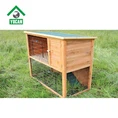


As a supplier of Guinea Pig Houses, I understand the importance of maintaining a clean and healthy living environment for these adorable pets. A well - disinfected guinea pig house not only ensures the well - being of the animals but also extends the lifespan of the housing itself. In this blog, I'll share some effective ways to disinfect a guinea pig house.
Why Disinfection is Crucial
Guinea pigs are sensitive animals, and their living environment can easily become a breeding ground for bacteria, fungi, and parasites. These pathogens can cause a variety of health problems for guinea pigs, such as respiratory infections, skin diseases, and digestive disorders. Regular disinfection helps to eliminate these harmful organisms, reducing the risk of illness and keeping your guinea pigs happy and healthy.
Moreover, a clean and disinfected guinea pig house is more pleasant to be around. It reduces unpleasant odors and makes the living area more inviting for both the guinea pigs and their owners.
Preparation Before Disinfection
Before you start disinfecting, it's essential to gather all the necessary supplies. You'll need a mild, pet - safe disinfectant. Avoid using harsh chemicals that could be toxic to guinea pigs, such as bleach or ammonia. There are many commercially available pet - safe disinfectants on the market that are specifically formulated for small animal habitats.
You'll also need some cleaning tools, including a scrub brush, a sponge, and a bucket. Additionally, prepare some fresh bedding materials, food, and water for your guinea pigs once the disinfection process is complete.
Step - by - Step Disinfection Process
1. Remove the Guinea Pigs
The first step is to carefully remove your guinea pigs from their house and place them in a safe, temporary enclosure. Make sure this area is warm, dry, and has some familiar items, such as a small piece of their old bedding, to make them feel more comfortable.
2. Empty the House
Take out all the items from the guinea pig house, including food bowls, water bottles, toys, and bedding. Dispose of the used bedding properly. Wash the food bowls and water bottles with hot, soapy water, and then rinse them thoroughly. You can soak them in the pet - safe disinfectant for a few minutes and then rinse again.
3. Scrub the House
Use the scrub brush and the pet - safe disinfectant to scrub the entire interior of the guinea pig house. Pay special attention to areas where urine and feces may have accumulated, such as corners and the bottom of the house. For stubborn stains, you may need to let the disinfectant sit for a few minutes before scrubbing.
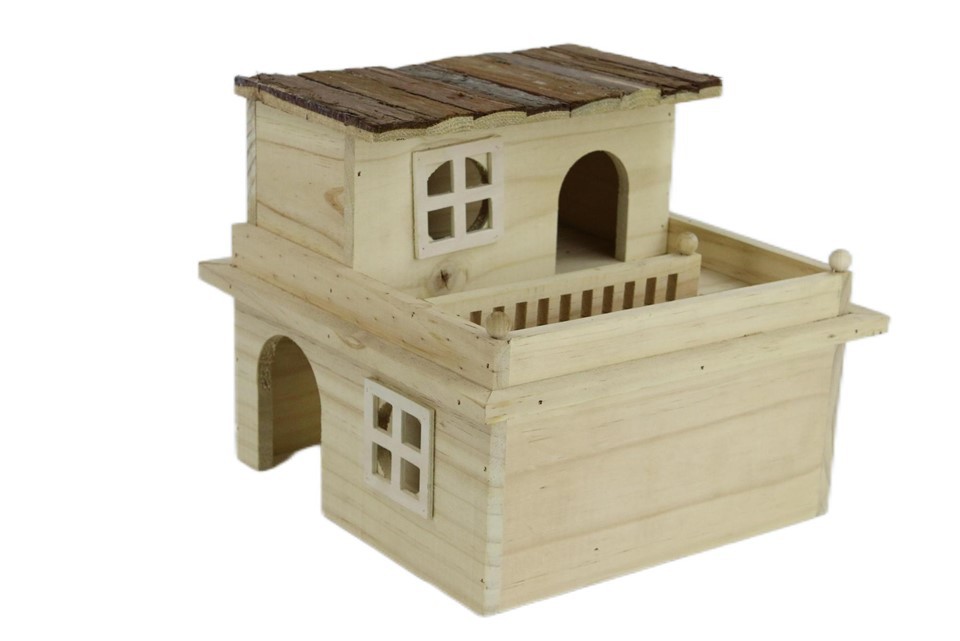
If you have a Wooden Guinea Pig House With Double Floor, be gentle when scrubbing to avoid damaging the wood. You can use a soft - bristled brush for the wooden parts.
4. Rinse Thoroughly
After scrubbing, rinse the guinea pig house with clean water several times to remove all traces of the disinfectant. Any remaining disinfectant residue could be harmful to your guinea pigs.
5. Dry the House
Allow the guinea pig house to air - dry completely. You can speed up the drying process by using a fan or placing the house in a well - ventilated area. Make sure the house is completely dry before adding new bedding and returning your guinea pigs.
6. Re - assemble the House
Once the house is dry, add fresh bedding. You can choose from a variety of bedding materials, such as paper - based bedding or aspen shavings. Place the clean food bowls, water bottles, and toys back into the house.
7. Return the Guinea Pigs
Finally, carefully return your guinea pigs to their clean and disinfected house. Observe them for a while to make sure they are comfortable and adjusting well to their new environment.
Frequency of Disinfection
The frequency of disinfection depends on several factors, such as the number of guinea pigs in the house, the size of the house, and the type of bedding used. As a general rule, it's a good idea to disinfect the guinea pig house at least once a week. However, if you have multiple guinea pigs or if the house gets dirty quickly, you may need to disinfect it more frequently.
Different Types of Guinea Pig Houses and Disinfection
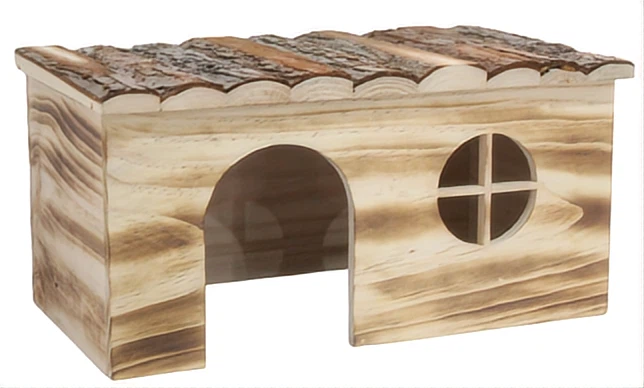
We offer a wide range of guinea pig houses, including the Large Wooden Guinea Pig House and the Guinea Pig Chamber House. Each type of house may require slightly different disinfection methods.
For wooden houses, as mentioned earlier, be careful not to over - saturate the wood with water or disinfectant. You can also apply a thin layer of food - grade mineral oil to the wood after disinfection to help protect it and keep it looking nice.
Plastic houses are generally easier to clean and disinfect. They can withstand more rigorous scrubbing and can be soaked in the disinfectant for a longer period if necessary.
Tips for Maintaining a Clean Guinea Pig House
- Spot - clean the house daily. Remove any visible urine, feces, or soiled bedding to prevent the build - up of bacteria.
- Provide your guinea pigs with a balanced diet. A healthy diet can reduce the amount of waste they produce and make the house easier to keep clean.
- Avoid overcrowding the guinea pig house. Having too many guinea pigs in a small space can lead to a dirtier and more unhygienic environment.
Contact for Purchase and Consultation
If you're interested in purchasing high - quality guinea pig houses or have any questions about disinfection or other aspects of guinea pig care, we're here to help. We offer a variety of guinea pig houses that are designed with the comfort and safety of your pets in mind. Whether you need a small, cozy house or a large, multi - level habitat, we have the perfect solution for you.
Feel free to reach out to us to discuss your needs and learn more about our products. We look forward to working with you to provide the best living environment for your guinea pigs.
References
- "The Guinea Pig Handbook" by Sharon Vanderlip
- Various research articles on small animal care and habitat hygiene from veterinary journals.