




Proper air circulation in a chicken coop is crucial for the health and well - being of your chickens. As a chicken coop supplier, I've seen firsthand the impact that good ventilation can have on the overall quality of life for these feathered friends. In this blog, I'll share some key strategies to ensure your chicken coop has the right air circulation.
Understanding the Importance of Air Circulation
Before diving into the how - to, it's essential to understand why air circulation matters so much. Chickens produce a significant amount of moisture through respiration and droppings. Without proper ventilation, this moisture can build up inside the coop, creating a damp environment. Dampness can lead to the growth of mold and bacteria, which can cause respiratory diseases in chickens.
Moreover, chickens also produce ammonia from their droppings. High levels of ammonia in the air can irritate the chickens' eyes, respiratory tracts, and reduce their immune function. Good air circulation helps to dilute and remove these harmful substances, keeping the air inside the coop fresh and clean.
Location and Design of the Chicken Coop
The first step in ensuring proper air circulation starts with the location and design of the chicken coop.
Location
Choose a well - drained and elevated area for your chicken coop. Avoid low - lying areas where water can accumulate, as this can increase the humidity inside the coop. A spot that gets plenty of sunlight is also ideal. Sunlight not only helps to dry out the coop but also has natural disinfectant properties.
Design
When it comes to design, consider the size and shape of the coop. A larger coop generally allows for better air movement than a smaller, cramped one. Make sure the coop has a sufficient height to allow air to rise and circulate.
We offer a variety of chicken coops, including the WPC Chicken Coop, which is designed with ventilation in mind. The WPC material is durable and allows for strategic placement of ventilation holes. Our Wooden Chicken Coop also provides a natural and well - ventilated environment, with its wooden structure allowing for some air permeability.
Ventilation Openings
Ventilation openings are the key to getting fresh air into the coop and stale air out.
Natural Ventilation
- Windows and Vents: Install windows and vents at different heights in the coop. High - level vents allow hot, moist air to escape, while low - level vents bring in fresh, cooler air. You can use adjustable vents that can be opened or closed depending on the weather conditions. For example, in the summer, you can open all the vents wide to maximize air flow, while in the winter, you can close them partially to keep the coop warm.
- Ridge Vents: A ridge vent running along the peak of the coop's roof is an excellent way to exhaust hot air. It works based on the principle of the stack effect, where hot air rises and exits through the ridge vent, drawing in fresh air from the lower vents.
Mechanical Ventilation
In some cases, especially in large chicken coops or in areas with extreme weather conditions, mechanical ventilation may be necessary.
- Fans: You can install fans inside the coop to increase air movement. Exhaust fans can be placed near the top of the coop to pull out stale air, while intake fans can be installed at the lower level to bring in fresh air. Make sure to choose fans that are suitable for the size of your coop and are designed for use in a poultry environment.
Bedding and Waste Management
Proper bedding and waste management also play a role in air circulation.
Bedding
Use absorbent bedding materials such as straw, wood shavings, or shredded paper. These materials can soak up moisture from the chickens' droppings and reduce the humidity inside the coop. Replace the bedding regularly to prevent the build - up of ammonia and bacteria.
Waste Management
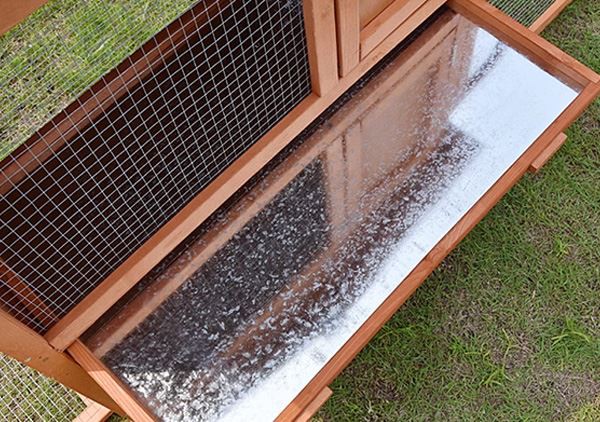
Remove chicken droppings from the coop frequently. A build - up of droppings can release large amounts of ammonia and moisture into the air. You can use a rake or a shovel to clean the coop daily or at least a few times a week. Consider using a deep litter method, where you add a new layer of bedding on top of the old one. This allows the droppings to decompose slowly, reducing the need for frequent cleaning and also generating heat, which can be beneficial in cold weather.
Airflow Obstructions
Be aware of any potential airflow obstructions inside the coop.
Furniture and Equipment
Make sure that the furniture and equipment inside the coop, such as nesting boxes and perches, are arranged in a way that does not block the air flow. Leave enough space between these items to allow air to move freely.
Vegetation
If there are plants growing around the coop, keep them trimmed. Overgrown vegetation can block the ventilation openings and reduce the amount of fresh air entering the coop.
Monitoring Air Quality
Regularly monitor the air quality inside the coop to ensure that your air circulation strategies are working effectively.
Visual and Olfactory Checks
Check for signs of moisture on the walls and ceiling of the coop. If you see condensation, it may indicate poor air circulation. Also, use your sense of smell. If you detect a strong ammonia odor, it's a sign that there is a problem with ventilation and waste management.
Air Quality Monitors
For a more accurate assessment, you can use air quality monitors. These devices can measure the levels of ammonia, carbon dioxide, and humidity inside the coop. Based on the readings, you can adjust your ventilation settings accordingly.

Seasonal Adjustments
Air circulation requirements can vary depending on the season.
Summer
In the summer, the goal is to keep the coop cool and well - ventilated. Open all the ventilation openings wide to allow maximum air flow. You can also add misters or fans to the coop to help cool the chickens down.
Winter
In the winter, while you still need to maintain some air circulation, you also need to keep the coop warm. Close some of the ventilation openings to reduce heat loss, but make sure there is still enough fresh air coming in. You can use insulated materials to cover the coop, but leave some gaps for ventilation.
As a chicken coop supplier, we understand that every chicken keeper's needs are different. That's why we offer a wide range of chicken coops, including the Chicken Coop with Running Cage, which provides both a sheltered area and an outdoor run for the chickens. This design allows for better air circulation and more space for the chickens to move around.
If you're interested in ensuring the best air circulation for your chickens and are looking for a high - quality chicken coop, we're here to help. Contact us for more information and to discuss your specific requirements. We can provide you with the right chicken coop and advice on how to optimize air circulation in it.
References
- "Poultry Housing and Equipment Handbook" by the American Society of Agricultural and Biological Engineers.
- "The Chicken Health Handbook" by Gail Damerow.