


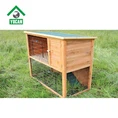


Hey there, fellow chicken enthusiasts! I'm the owner of a chicken coop supplier, and I've seen firsthand how important it is to create a comfortable and functional living space for your feathered friends. One crucial element of a well-equipped chicken coop is a roosting bar. In this blog post, I'll walk you through the steps of installing a roosting bar in your chicken coop, so your chickens can rest easy at night.
Why a Roosting Bar is Essential
Before we dive into the installation process, let's talk about why a roosting bar is so important for your chickens. Chickens are natural roosters, which means they prefer to sleep off the ground. Roosting helps keep them safe from predators, reduces the risk of disease, and allows them to rest more comfortably. A good roosting bar also mimics the natural environment of chickens, making them feel more at home in their coop.
Choosing the Right Roosting Bar
The first step in installing a roosting bar is choosing the right one for your chicken coop. There are a few things to consider when making your selection:
- Material: Roosting bars can be made from a variety of materials, including wood, metal, and plastic. Wood is a popular choice because it's natural, comfortable for chickens to grip, and easy to clean. Metal and plastic bars are also durable and easy to maintain, but they may not be as comfortable for chickens to roost on.
- Size: The size of your roosting bar will depend on the number of chickens you have and the size of your coop. As a general rule, you should provide at least 8-10 inches of roosting space per chicken. You can use multiple roosting bars to increase the available space.
- Shape: Roosting bars come in a variety of shapes, including round, square, and rectangular. Round bars are the most comfortable for chickens to grip, but they may be more difficult to install. Square and rectangular bars are easier to install, but they may not be as comfortable for chickens to roost on.
Installing the Roosting Bar
Once you've chosen the right roosting bar for your chicken coop, it's time to install it. Here's a step-by-step guide to help you get started:
- Choose the Location: The first step is to choose the location for your roosting bar. You should install the bar at least 18 inches off the ground to keep your chickens safe from predators. You should also make sure the bar is located in a dry, draft-free area of the coop.
- Measure and Mark: Use a tape measure to measure the length of the roosting bar and mark the location on the wall of the coop. Make sure the marks are level and evenly spaced.
- Drill Holes: Use a drill to drill holes in the wall of the coop at the marked locations. The holes should be slightly larger than the diameter of the screws or bolts you'll be using to attach the roosting bar.
- Attach the Brackets: If your roosting bar comes with brackets, attach them to the wall of the coop using the screws or bolts provided. Make sure the brackets are level and securely attached.
- Install the Roosting Bar: Place the roosting bar on the brackets and secure it in place using the screws or bolts provided. Make sure the bar is level and securely attached.
- Test the Roosting Bar: Once the roosting bar is installed, test it to make sure it's stable and secure. You can do this by gently shaking the bar or having someone stand on it. If the bar wobbles or feels unstable, you may need to adjust the brackets or add additional support.
Tips for Maintaining Your Roosting Bar
Now that you've installed your roosting bar, it's important to maintain it to keep it in good condition. Here are a few tips to help you keep your roosting bar clean and safe for your chickens:


- Clean Regularly: You should clean your roosting bar regularly to remove any dirt, droppings, or debris. You can use a brush or a pressure washer to clean the bar, but make sure you dry it thoroughly before allowing your chickens to use it.
- Inspect for Damage: You should inspect your roosting bar regularly for any signs of damage, such as cracks, splinters, or loose screws. If you notice any damage, you should repair or replace the bar immediately to prevent injury to your chickens.
- Replace as Needed: Over time, your roosting bar may wear out or become damaged beyond repair. When this happens, you should replace the bar with a new one to ensure the safety and comfort of your chickens.
Conclusion
Installing a roosting bar in your chicken coop is a simple and effective way to provide your chickens with a comfortable and safe place to sleep at night. By following the steps outlined in this blog post, you can install a roosting bar in your coop in no time. Remember to choose the right roosting bar for your chickens, install it in a safe and comfortable location, and maintain it regularly to keep it in good condition.
If you're in the market for a new chicken coop or other chicken supplies, be sure to check out our website. We offer a wide range of Wooden Chicken Coop, Chicken Coop with Running Cage, and WPC Chicken Coop to meet the needs of every chicken owner. Contact us today to learn more about our products and services and to discuss your specific requirements. We're here to help you create the perfect home for your feathered friends!
References
- "Chicken Coop Roosting Bars: Everything You Need to Know." Backyard Chickens, https://www.backyardchickens.com/articles/chicken-coop-roosting-bars-everything-you-need-to-know.104804/.
- "How to Build a Chicken Coop: Roosting Bars." The Spruce Pets, https://www.thesprucepets.com/how-to-build-a-chicken-coop-roosting-bars-3016827.
- "Roosting Bars for Chickens: What You Need to Know." Hobby Farms, https://www.hobbyfarms.com/roosting-bars-for-chickens-what-you-need-to-know/.