




Hey there, fellow chicken enthusiasts! As a supplier of top - notch chicken coops, I've seen my fair share of mite and lice problems in chicken coops. These pesky little critters can cause a whole lot of trouble for your feathered friends, so it's super important to keep your coop free from them. In this blog, I'm gonna share some tips on how you can achieve that.
First off, let's understand why mites and lice are such a big deal. Mites and lice are parasites that live on chickens. They feed on the chicken's blood, feathers, and skin, which can lead to a bunch of health issues. Chickens that are infested with these parasites may become weak, lose their feathers, and even stop laying eggs. Not to mention, a coop full of mites and lice is just plain gross!
Regular Cleaning
The first step in keeping your chicken coop mite and lice - free is regular cleaning. I can't stress this enough. A dirty coop is like a five - star hotel for mites and lice. You should clean your coop at least once a week. Start by removing all the bedding, like straw or wood shavings. Throw out any old, soiled bedding and replace it with fresh stuff.
Next, use a stiff brush to scrub down the walls, floors, and nesting boxes of the coop. You can use a mild detergent and water solution for this. Make sure to get into all the nooks and crannies where mites and lice might be hiding. After scrubbing, rinse everything thoroughly with clean water and let it dry completely before adding new bedding.
If you're in the market for a new chicken coop, we've got some great options. Check out our WPC Chicken Coop. It's made of high - quality materials that are easy to clean and maintain, which is a huge plus when it comes to preventing mite and lice infestations.
Dust Bathing Areas
Chickens love to take dust baths, and it's not just for fun. Dust bathing is a natural way for chickens to keep themselves clean and get rid of mites and lice. You can create a dust bathing area in your chicken run. All you need is a shallow container, like a large plastic tub, and some fine dust. You can use sand, wood ash, or diatomaceous earth.
Diatomaceous earth is especially great because it's a natural insecticide. It works by cutting through the exoskeletons of mites and lice, dehydrating and killing them. Just make sure to use food - grade diatomaceous earth, as the industrial - grade stuff can be harmful to your chickens.

Fill the container with your chosen dust and place it in a sunny spot in the chicken run. Your chickens will do the rest. They'll roll around in the dust, coating their feathers and skin, which helps to suffocate and remove any mites or lice.
Natural Remedies
There are also some natural remedies you can use to keep mites and lice at bay. Herbs like lavender, mint, and rosemary have natural insect - repelling properties. You can hang bunches of these herbs in the chicken coop or sprinkle dried herbs in the nesting boxes and bedding.
Another natural option is garlic. Garlic is known for its antibacterial and antifungal properties, and it can also help to repel mites and lice. You can add a little bit of crushed garlic to your chickens' water or feed. Just don't overdo it, as too much garlic can affect the taste of the eggs.
Inspect Your Chickens Regularly
It's important to inspect your chickens regularly for signs of mite and lice infestations. Look for things like feather loss, red or irritated skin, and small black or red dots on the feathers or skin. These could be signs of mites or lice.
If you do find an infestation, isolate the affected chicken immediately to prevent the parasites from spreading to the rest of the flock. You can treat the chicken with a poultry dust that's specifically designed to kill mites and lice. Make sure to follow the instructions on the product carefully.
Choose the Right Coop Design
The design of your chicken coop can also play a big role in preventing mite and lice infestations. A well - ventilated coop is key. Mites and lice thrive in warm, humid environments, so good ventilation helps to keep the coop dry and less inviting to these parasites.
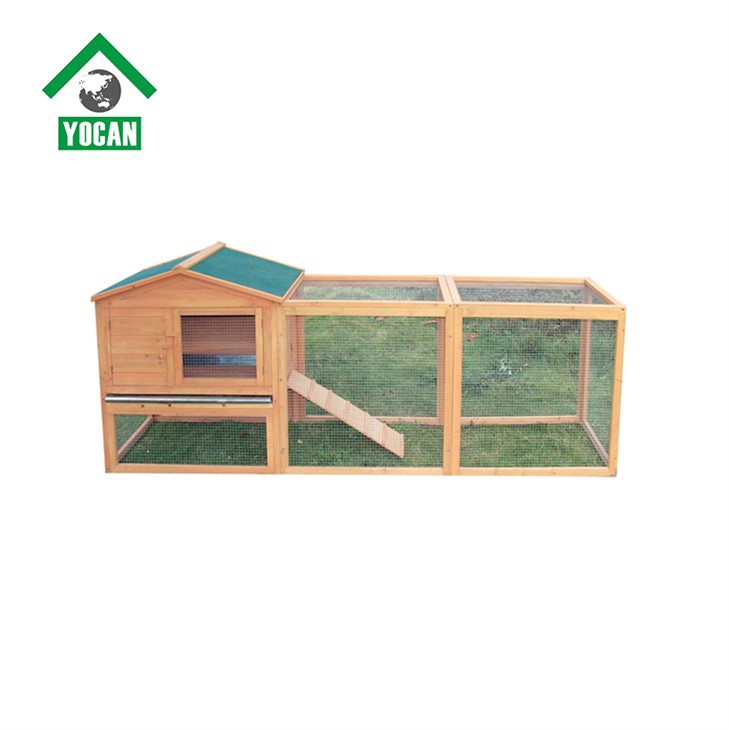
Our Chicken Coop with Running Cage is designed with ventilation in mind. It has plenty of windows and vents to allow fresh air to circulate, which helps to keep the coop environment healthy for your chickens.
Also, make sure the coop has enough space for your chickens. Overcrowding can stress the chickens and make them more susceptible to mite and lice infestations. As a general rule, each chicken should have at least 4 square feet of space inside the coop and 10 square feet of space in the run.
Use Poultry Sprays
In addition to regular cleaning and natural remedies, you can also use poultry sprays to keep mites and lice away. There are many commercial poultry sprays available on the market that are safe for chickens. These sprays usually contain ingredients like pyrethrin, which is a natural insecticide derived from chrysanthemum flowers.
You can spray the coop walls, floors, and nesting boxes with the poultry spray on a regular basis. Just make sure to remove the chickens from the coop before spraying and let it dry completely before allowing them back in.
Replace Old Equipment
Old and worn - out equipment in the coop can also be a breeding ground for mites and lice. Things like feeders, waterers, and perches can accumulate dirt and debris over time, providing a perfect hiding place for these parasites.
Replace old feeders and waterers regularly. You can also sand down and treat wooden perches to keep them clean and free from mites and lice. Our Wooden Chicken Coop comes with high - quality perches that are easy to maintain.
Keep the Surroundings Clean
Don't forget about the area around the chicken coop. Keep the grass trimmed and remove any debris, like fallen leaves or branches. Mites and lice can hide in these areas and then make their way into the coop.
You can also create a barrier around the coop using gravel or crushed stone. This can help to prevent mites and lice from crawling into the coop from the surrounding area.
Conclusion
Keeping your chicken coop free from mites and lice takes a bit of effort, but it's definitely worth it for the health and well - being of your chickens. By following these tips, you can create a clean and healthy environment for your feathered friends.
If you're interested in purchasing a high - quality chicken coop that's designed to help prevent mite and lice infestations, feel free to reach out to us. We're always happy to answer any questions you might have and help you find the perfect coop for your needs. Let's work together to keep your chickens happy and healthy!
References
- "Storey's Guide to Raising Chickens" by Gail Damerow
- "The Chicken Health Handbook" by Gail Damerow
- Various online resources on chicken care and pest control