




Hey there, fellow chicken enthusiasts! As a supplier of top - notch chicken coops, I've seen firsthand the issues that mold and mildew can cause in a chicken coop. Not only do they look gross, but they can also pose serious health risks to your feathered friends. So, let's dive into how you can keep your chicken coop free from these pesky problems.
Why Mold and Mildew are a Big Deal
First off, let's talk about why mold and mildew are such a nuisance. Mold and mildew thrive in warm, damp, and dark environments, and unfortunately, a chicken coop can sometimes fit that description perfectly. These fungi release spores into the air, which can be inhaled by your chickens. Once inside their respiratory systems, these spores can lead to respiratory diseases, eye infections, and other health problems.
Moreover, moldy and mildewed coops are just plain unpleasant. They have a musty odor that can permeate the area around the coop, and the structural integrity of the coop can be compromised over time. Wood, in particular, is vulnerable to damage from mold and mildew, which can eat away at the fibers and weaken the framework.
Choose the Right Chicken Coop
One of the first steps in preventing mold and mildew is to choose the right chicken coop. At our supply store, we offer a variety of options that are designed to be mold - resistant. For instance, our Wooden Chicken Coop is made from high - quality, treated wood that is less likely to absorb moisture. The treatment helps to create a barrier against mold and mildew growth.
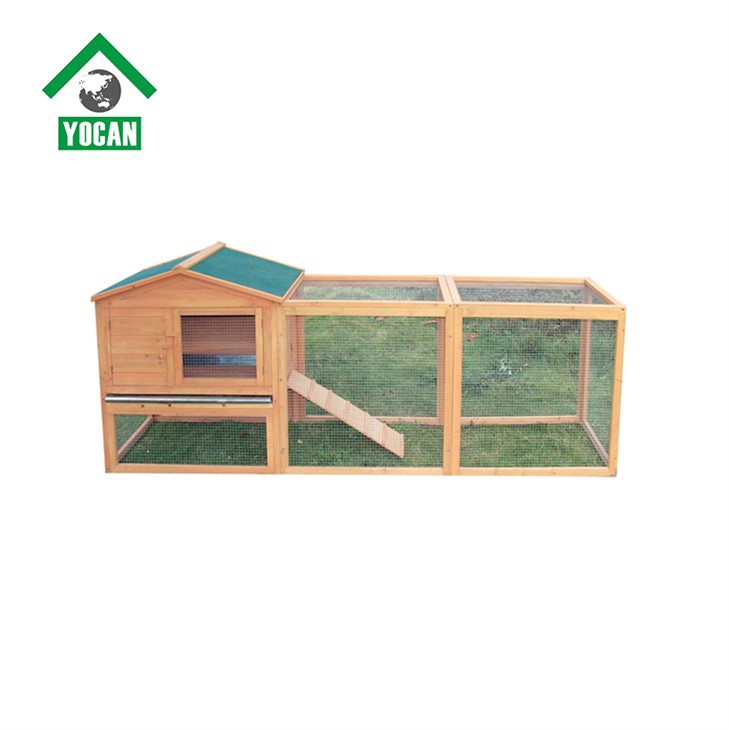
Our Chicken Coop with Running Cage is another great option. It provides plenty of ventilation, which is crucial for preventing the buildup of moisture. The running cage allows the chickens to get outside and move around, reducing the amount of waste and moisture inside the coop.
And if you're looking for a more modern alternative, our WPC Chicken Coop is made from wood - plastic composite material. This material is highly resistant to moisture, rot, and mold, making it a long - lasting choice for your chickens.
Location, Location, Location
Where you place your chicken coop can have a huge impact on its susceptibility to mold and mildew. You want to choose a spot that gets plenty of sunlight. Sunlight is a natural disinfectant and can help to dry out the coop. Avoid areas that are prone to flooding or that stay wet for long periods, like low - lying areas or spots under large trees that block the sun.
Make sure the coop is on a raised platform. This helps to keep it off the damp ground and allows for better air circulation underneath. A raised coop also makes it easier to clean and inspect for any signs of mold or mildew.
Keep it Clean
Regular cleaning is essential for preventing mold and mildew. You should clean the coop at least once a week, more often if you have a large number of chickens. Start by removing all the bedding, droppings, and any other debris from the coop. Use a stiff brush to scrub the surfaces, including the floors, walls, and nesting boxes.

After scrubbing, rinse the coop thoroughly with a hose. You can add a mild disinfectant to the water to kill any remaining bacteria and fungi. Make sure to let the coop dry completely before adding fresh bedding.
Bedding Matters
The type of bedding you use in your chicken coop can also affect mold and mildew growth. Avoid using materials that retain moisture, like hay. Instead, opt for materials like wood shavings, straw, or shredded paper. These materials are absorbent and help to keep the coop dry.
Change the bedding regularly. As it gets soiled with droppings and moisture, it becomes a breeding ground for mold and mildew. A good rule of thumb is to change the bedding at least once a week, or more often if it starts to look damp or dirty.
Ventilation is Key
Proper ventilation is one of the most important factors in preventing mold and mildew. Chickens produce a lot of moisture through their breathing and droppings, and without adequate ventilation, this moisture can build up inside the coop.
Make sure your chicken coop has enough vents. These vents should be placed high up on the walls to allow hot, moist air to escape. You can also install a small fan in the coop to improve air circulation, especially during hot and humid weather.
Monitor Humidity
Keeping an eye on the humidity levels inside the chicken coop is a good idea. You can use a hygrometer to measure the humidity. Ideally, the humidity inside the coop should be between 30% and 70%. If the humidity gets too high, you may need to take steps to reduce it, such as increasing ventilation or using a dehumidifier.
Regular Inspections
Finally, make it a habit to inspect your chicken coop regularly for signs of mold and mildew. Look for any discoloration on the walls, floors, or ceilings, as well as a musty smell. If you spot any mold or mildew, take action immediately.
You can remove small patches of mold and mildew by scrubbing them with a mixture of water and vinegar. For larger areas, you may need to use a commercial mold remover. Make sure to follow the instructions on the product carefully and keep the chickens out of the coop until it is completely dry and safe.
Conclusion
Keeping your chicken coop free from mold and mildew is crucial for the health and well - being of your chickens, as well as the longevity of your coop. By choosing the right coop, placing it in the right location, keeping it clean, using the right bedding, ensuring proper ventilation, monitoring humidity, and conducting regular inspections, you can significantly reduce the risk of mold and mildew growth.
If you're in the market for a new chicken coop or need advice on how to maintain your existing one, don't hesitate to reach out. We're here to help you provide the best possible living environment for your chickens. Contact us to start a discussion about your specific needs and let's work together to find the perfect solution for your flock.
References
- "Backyard Chickens: A Beginner's Guide" by Gail Damerow
- Various poultry - related research papers on coop hygiene and mold prevention