




Keeping a chicken coop pest-free is crucial for the health and well-being of your chickens. As a chicken coop supplier, I've witnessed firsthand the challenges that pests can pose to both the chickens and the coop itself. In this blog, I'll share some effective strategies to help you maintain a pest-free environment for your feathered friends.
Understanding the Common Pests in Chicken Coops
Before we dive into the prevention methods, it's important to know the common pests that can infest chicken coops. These include mites, lice, rodents, flies, and even larger predators like raccoons and foxes. Each pest presents a different threat to your chickens. For example, mites and lice can cause irritation, feather loss, and reduced egg production, while rodents can contaminate feed and spread diseases.
Maintaining a Clean Coop
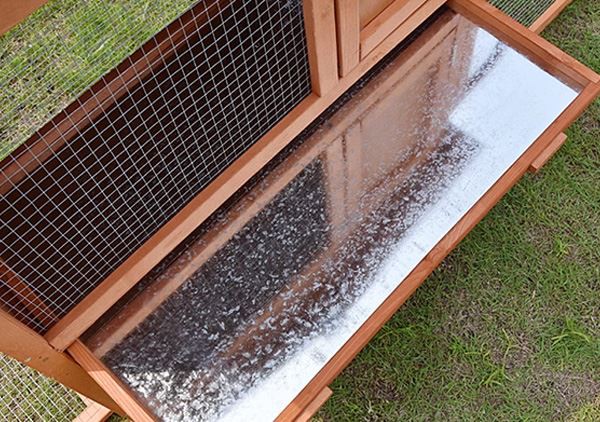
One of the most effective ways to keep pests at bay is to maintain a clean chicken coop. Regularly remove soiled bedding, droppings, and any spilled feed. A dirty coop provides a breeding ground for pests, so aim to clean the coop at least once a week. Use a stiff brush to scrub the floors, walls, and nesting boxes to remove any debris. You can also use a mild disinfectant to sanitize the coop, but make sure to rinse it thoroughly before allowing the chickens back in.
Choosing the Right Chicken Coop
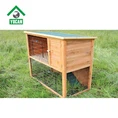
The type of chicken coop you choose can also play a significant role in pest prevention. Our Wooden Chicken Coop is a popular choice among chicken owners. Made from high-quality wood, it provides a sturdy and durable shelter for your chickens. The natural material also helps to regulate the temperature inside the coop, making it less attractive to pests.
Another option is our WPC Chicken Coop. WPC, or Wood Plastic Composite, is a synthetic material that combines the best of both wood and plastic. It is resistant to rot, decay, and pests, making it an ideal choice for a long-lasting chicken coop.
If you have the space, our Chicken Coop with Running Cage is a great option. The running cage allows the chickens to exercise and forage outside, reducing the risk of pests building up inside the coop. It also provides an extra layer of protection against predators.
Controlling Feed and Water
Pests are often attracted to the feed and water in the chicken coop. To prevent this, store the feed in a sealed container and keep it off the ground. This will prevent rodents from accessing the feed and contaminating it. Make sure to clean the feeders and waterers regularly to remove any leftover food or debris. You can also use a waterer that is designed to prevent spills and leaks, which can attract pests.
Using Natural Pest Repellents
There are several natural pest repellents that you can use to keep pests away from your chicken coop. For example, herbs like lavender, mint, and rosemary have natural insect-repellent properties. You can plant these herbs around the perimeter of the coop or hang them inside the coop to deter pests. Garlic and onions are also known to repel pests, so you can add them to the chickens' feed or water.
Sealing Entry Points
Inspect the chicken coop regularly for any holes or gaps that pests could use to enter. Seal these entry points with caulk, wire mesh, or other appropriate materials. Pay special attention to areas around windows, doors, and ventilation openings. You can also install a predator-proof latch on the coop door to prevent larger predators from getting in.
Monitoring Your Chickens
Regularly monitor your chickens for any signs of pest infestation. Look for signs of irritation, feather loss, or abnormal behavior. If you notice any of these signs, take action immediately to address the problem. You can use a poultry dust or spray to treat mites and lice, but make sure to follow the instructions carefully.
Working with a Professional
If you're struggling to keep your chicken coop pest-free, don't hesitate to seek professional help. A pest control expert can assess the situation and recommend the best course of action. They can also provide ongoing pest management services to ensure that your chicken coop remains pest-free.

Conclusion
Keeping a chicken coop pest-free requires a combination of regular maintenance, proper coop selection, and the use of natural pest repellents. By following these tips, you can create a healthy and comfortable environment for your chickens. If you're interested in purchasing a chicken coop or have any questions about pest prevention, please don't hesitate to contact us. We're here to help you provide the best care for your chickens.
References
- "The Chicken Health Handbook" by Gail Damerow
- "Storey's Guide to Raising Chickens" by Gail Damerow
- Various poultry industry publications and websites