


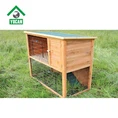


Hey there, fellow chicken enthusiasts! As a chicken coop supplier, I've seen firsthand how important it is to keep the temperature stable in a chicken coop. Chickens are sensitive creatures, and extreme temperatures can have a significant impact on their health, egg production, and overall well - being. So, in this blog, I'm gonna share some tips on how you can maintain a stable temperature in your chicken coop.
Understanding Chicken Temperature Needs
First things first, it's crucial to understand what temperatures chickens are comfortable in. Generally, chickens can tolerate a wide range of temperatures, but they're most comfortable between 50°F and 75°F (10°C - 24°C). When it gets too hot or too cold, they can experience stress, which may lead to health issues like respiratory problems, reduced egg production, or even death in severe cases.
Insulation is Key
One of the most effective ways to keep the temperature stable in a chicken coop is through proper insulation. Just like in our homes, insulation helps to keep the heat in during the winter and out during the summer.
For colder climates, consider using materials like fiberglass or foam board insulation. You can line the walls and ceiling of the coop with these materials. Make sure to seal any gaps or cracks to prevent cold air from seeping in. In warmer climates, reflective insulation can be a great option. It reflects the sun's heat away from the coop, keeping it cooler inside.
If you're in the market for a well - insulated chicken coop, check out our Wooden Chicken Coop. Wood is a natural insulator, and our wooden coops are built with high - quality materials to ensure good temperature regulation.
Ventilation
Ventilation is another critical factor in temperature control. While it might seem counterintuitive, proper ventilation helps to keep the coop at a stable temperature. In the summer, good ventilation allows hot air to escape and fresh air to circulate, preventing the coop from becoming a hot, stuffy oven. In the winter, it helps to remove moisture, which can lead to frostbite and other cold - related problems.
Install vents near the top of the coop to allow hot air to rise and escape. You can also use adjustable vents so you can control the amount of airflow depending on the weather. Make sure the vents are covered with wire mesh to keep out predators.
Our Chicken Coop with Running Cage is designed with proper ventilation in mind. The open - air running cage allows for plenty of fresh air circulation, while the coop itself has well - placed vents to maintain a comfortable temperature.
Heating and Cooling Systems
In extreme temperatures, you may need to use additional heating or cooling systems.
Heating: In the winter, you can use heat lamps or radiant heaters. Heat lamps are a popular choice, but they can be a fire hazard if not used properly. Make sure to hang them at a safe distance from the chickens and any flammable materials. Radiant heaters, on the other hand, are a safer option as they heat objects rather than the air directly.


Cooling: In the summer, fans can be a great way to keep the coop cool. You can install ceiling fans or wall - mounted fans to circulate the air. Another option is to use misters. Misting the coop can help to lower the temperature through evaporation.
Bedding
The type of bedding you use in the coop can also affect the temperature. In the winter, thick bedding like straw or wood shavings can provide insulation. Chickens can burrow into the bedding to stay warm. In the summer, thinner bedding that allows for better air circulation, like sand, can be a better choice.
Location of the Coop
The location of the chicken coop can have a big impact on its temperature. Place the coop in a spot that gets some shade during the day, especially in the summer. You can plant trees or use shade cloth to provide shade. In the winter, try to position the coop so it gets some sunlight, which can help to warm it up.
Monitoring the Temperature
It's important to regularly monitor the temperature inside the coop. You can use a simple thermometer to keep track of the temperature. Check the thermometer at different times of the day, especially during extreme weather conditions. If you notice that the temperature is consistently too high or too low, you may need to adjust your temperature - control methods.
Our WPC Chicken Coop
If you're looking for a chicken coop that's easy to maintain and offers good temperature control, take a look at our WPC Chicken Coop. WPC (Wood - Plastic Composite) is a durable and weather - resistant material that provides good insulation. It can withstand both hot and cold temperatures, making it a great choice for year - round use.
Conclusion
Keeping the temperature stable in a chicken coop is essential for the health and happiness of your chickens. By following these tips on insulation, ventilation, heating and cooling, bedding, and coop location, you can create a comfortable environment for your feathered friends.
If you're interested in purchasing a high - quality chicken coop that can help you maintain a stable temperature, don't hesitate to get in touch with us. We're here to assist you with all your chicken coop needs. Whether you're a small - scale backyard chicken keeper or a commercial farmer, we have the right coop for you. Contact us to start a procurement discussion and find the perfect chicken coop for your flock.
References
- "The Chicken Health Handbook" by Gail Damerow.
- Various research articles on poultry housing and environmental control from agricultural universities.