




Hey there, fellow chicken enthusiasts! As a supplier of top - notch chicken coops, I've seen firsthand the importance of having a chicken coop that's easy to clean. A clean coop is not only crucial for the health and well - being of your feathered friends but also makes your life as a chicken keeper a whole lot easier. So, let's dive into how you can make your chicken coop accessible for cleaning.
Choose the Right Chicken Coop
First things first, picking the right coop is key. At our supply, we offer a variety of options, including Wooden Chicken Coop, WPC Chicken Coop, and Chicken Coop with Running Cage.
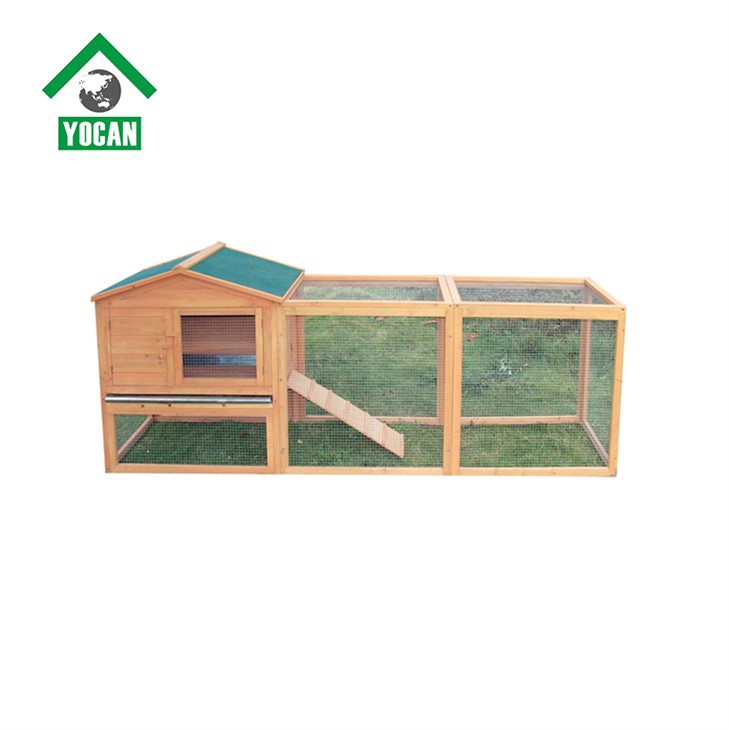

Wooden coops are classic and have a natural look. They're often easy to customize, which can be great for adding cleaning - friendly features. However, you need to make sure they're well - treated to prevent rot. Our wooden coops are made from high - quality wood, treated to last and stand up to the elements.
WPC (Wood - Plastic Composite) coops are a more modern option. They're durable, resistant to moisture, and don't require as much maintenance as wooden ones. Cleaning them is a breeze, as they don't absorb dirt and grime easily.
If you want your chickens to have some space to run around and stretch their legs, a Chicken Coop with Running Cage is the way to go. The running cage allows for natural foraging and exercise, and it also makes it easier to clean the main coop area as the chickens can be moved to the run during cleaning.
Design Features for Easy Cleaning
- Removable Flooring
- One of the best features you can have in a chicken coop is removable flooring. This allows you to easily take out the floor, shake off the dirt, and clean it thoroughly. You can use materials like plywood or plastic sheets for the removable floor. Make sure it fits snugly in the coop but can be lifted out without too much hassle.
- Large Access Doors
- Big access doors are a must. You need to be able to get in and out of the coop easily with cleaning tools. The doors should be wide enough for you to carry a shovel, a bucket, and other cleaning supplies. Also, make sure the doors open smoothly and lock securely when not in use.
- Sloped Roofs
- A sloped roof helps with ventilation and also prevents water from pooling on the roof. This is important because a wet roof can lead to mold and mildew growth inside the coop. When it rains, the water just runs off, keeping the interior dry and easier to clean.
- Easy - to - Clean Nesting Boxes
- Nesting boxes are where your hens lay their eggs. They can get dirty quickly with feathers, droppings, and broken eggshells. Design your nesting boxes so that they can be easily removed and cleaned. You can line them with removable liners, like old towels or newspaper, which can be replaced regularly.
Cleaning Supplies and Tools
- Shovels and Rakes
- A good shovel is essential for scooping up the chicken droppings and bedding from the floor. A rake can be used to spread the bedding evenly and to get into the corners. Make sure you have a couple of different sizes to suit different areas of the coop.
- Brushes
- Brushes are great for scrubbing the floors, walls, and nesting boxes. You can use a stiff - bristled brush for tough dirt and a soft - bristled one for more delicate areas.
- Disinfectants
- Using a disinfectant is important to kill any bacteria or parasites in the coop. There are many chicken - safe disinfectants available on the market. Make sure you follow the instructions on the label and allow the coop to dry completely before letting the chickens back in.
- Hoses or Buckets
- Depending on the size of your coop, you can use a hose or buckets of water to rinse out the coop after scrubbing. If you use a hose, make sure you have a good nozzle that can adjust the water pressure.
Cleaning Schedule
- Daily Cleaning
- Every day, you should remove any wet or soiled bedding from the coop. This helps to keep the odor down and prevents the growth of bacteria. You can also check the nesting boxes for eggs and clean out any broken shells or debris.
- Weekly Cleaning
- Once a week, you should do a more thorough cleaning. This includes raking the floor, checking the ventilation, and cleaning the water and food containers. You can also replace the bedding in the nesting boxes.
- Monthly Cleaning
- On a monthly basis, you should empty the entire coop. Remove the removable floor, scrub it, and let it dry. Then, scrub the walls and floor of the coop with a disinfectant. Replace all the bedding and make sure the coop is completely dry before putting the chickens back in.
Maintaining a Clean Coop
- Proper Ventilation
- Good ventilation is crucial for a clean coop. It helps to remove moisture, ammonia, and odors. Make sure your coop has enough vents, especially near the top. You can also install fans if necessary, but make sure they're safe for the chickens.
- Controlling Pests
- Pests like mites, lice, and rodents can be a big problem in a chicken coop. To prevent them, keep the coop clean and dry. You can also use natural pest control methods, like diatomaceous earth, which is safe for chickens but deadly for pests.
- Regular Inspections
- Regularly inspect your coop for any signs of damage or wear. Check the doors, windows, and roof for leaks. Repair any damage as soon as possible to prevent further problems.
Conclusion
Making your chicken coop accessible for cleaning is all about choosing the right coop, designing it with cleaning in mind, using the right supplies and tools, and following a regular cleaning schedule. By doing so, you'll keep your chickens healthy and happy, and your life as a chicken keeper will be much more enjoyable.
If you're in the market for a new chicken coop or want to upgrade your existing one, we're here to help. Our Wooden Chicken Coop, WPC Chicken Coop, and Chicken Coop with Running Cage are all designed with easy cleaning in mind. Contact us for more information and to start the procurement discussion. We're always happy to chat with fellow chicken lovers and help you find the perfect coop for your needs.
References
- "The Chicken Encyclopedia" by Gail Damerow
- "Storey's Guide to Raising Chickens" by Gail Damerow