


How to Make a Chicken Coop Predator - Proof
As a chicken coop supplier, I've seen firsthand the challenges that chicken owners face when it comes to protecting their feathered friends from predators. A predator - proof chicken coop is not just a luxury; it's a necessity for the safety and well - being of your chickens. In this blog, I'll share some expert tips on how to make your chicken coop predator - proof.
1. Choose the Right Location
The first step in creating a predator - proof chicken coop is selecting the right location. Avoid areas with tall grass, dense bushes, or large trees close to the coop. These areas can provide cover for predators such as foxes, raccoons, and snakes. A clear and open area makes it easier to spot approaching predators. Additionally, try to place the coop on high ground to prevent flooding, which can attract predators looking for an easy meal.
2. Select a Sturdy Coop Design
Investing in a well - built chicken coop is crucial. At our store, we offer a variety of options, including Wooden Chicken Coop, Chicken Coop with Running Cage, and WPC Chicken Coop. Wooden coops are durable and can be customized to fit your needs. Chicken coops with running cages provide extra space for chickens to roam while still keeping them protected. WPC coops are made from a combination of wood and plastic, offering the best of both worlds in terms of durability and low maintenance.
When choosing a coop, ensure that it has thick walls and a solid roof. The materials should be strong enough to withstand the attempts of predators to break in. Reinforce any weak points, such as corners and joints, with metal brackets or screws.
3. Install Secure Fencing
Fencing is an essential part of a predator - proof chicken coop. Use a high - quality wire mesh with small holes. A 1/2 - inch or 1/4 - inch mesh is recommended to prevent predators from reaching through and grabbing chickens. Bury the fencing at least 12 inches underground to stop predators from digging under it. You can also bend the buried portion of the fence outward in an L - shape to make it even more difficult for predators to dig.
For the top of the run, cover it with the same wire mesh to prevent birds of prey from swooping down and attacking the chickens. Make sure the fencing is tightly secured to the coop and the ground to eliminate any gaps.
4. Secure the Doors and Windows
The doors and windows of the chicken coop are potential entry points for predators. Install sturdy locks on all doors and windows. Use heavy - duty latches that are difficult for predators to open. Consider adding a secondary locking mechanism, such as a padlock, for extra security.
Cover the windows with wire mesh to prevent predators from breaking through. Make sure the mesh is firmly attached to the frame. You can also install shutters or blinds that can be closed at night to provide an additional layer of protection.
5. Use Motion - Activated Lights and Alarms
Motion - activated lights and alarms can be effective deterrents for predators. Place motion - activated lights around the perimeter of the chicken coop. When a predator approaches, the lights will turn on, scaring it away. Similarly, motion - activated alarms can startle predators and alert you to their presence.
There are many types of motion - activated devices available on the market. Choose ones that are weather - resistant and have a wide detection range.
6. Keep the Coop Clean
A clean chicken coop is less attractive to predators. Regularly remove chicken manure, spilled feed, and any other debris from the coop. Predators are often attracted to the smell of food and waste. By keeping the coop clean, you reduce the likelihood of attracting unwanted visitors.
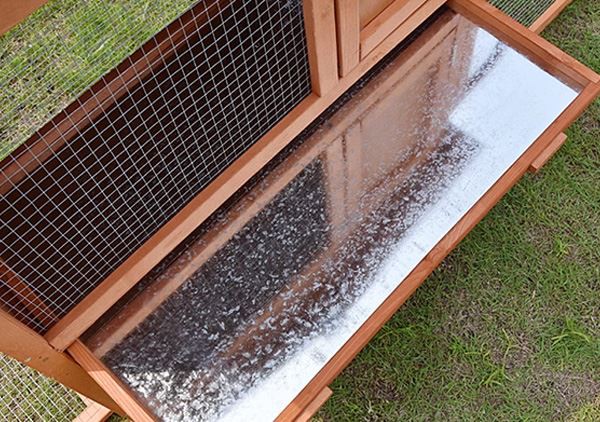
Store chicken feed in sealed containers to prevent rodents and other pests from getting to it. Rodents can attract larger predators, so it's important to keep them away from the coop.
7. Provide a Safe Roosting Area
Chickens need a safe place to roost at night. Make sure the roosting bars in the coop are high enough off the ground to prevent predators from easily reaching the chickens. The bars should be sturdy and wide enough for the chickens to comfortably perch on.

Line the roosting area with soft bedding, such as straw or wood shavings, to keep the chickens warm and comfortable. This will also help prevent them from huddling in vulnerable areas of the coop.
8. Consider Guard Animals
Some animals can act as natural guards for your chickens. Dogs, for example, can be trained to protect the chicken coop. A well - trained guard dog will bark at the sight of a predator and may even chase it away. However, make sure the dog is properly socialized with the chickens to avoid any accidental harm.
Geese are another option. They are territorial and will honk loudly when they sense a threat. Their presence alone can often deter predators.
9. Regularly Inspect the Coop
Regular inspections of the chicken coop are essential to ensure its predator - proof status. Check for any signs of damage, such as holes in the fencing, loose boards, or broken locks. Repair any damage immediately to prevent predators from exploiting weaknesses in the coop.
Inspect the area around the coop for signs of predator activity, such as tracks or droppings. If you notice any signs, take additional precautions to protect your chickens.
10. Educate Yourself about Local Predators
Different regions have different types of predators. Educate yourself about the predators in your area so that you can take appropriate measures to protect your chickens. For example, if you live in an area with a high population of snakes, you may need to take extra steps to seal any small openings in the coop.
By understanding the behavior and habits of local predators, you can better anticipate their actions and keep your chickens safe.
In conclusion, making a chicken coop predator - proof requires a combination of proper planning, the right materials, and regular maintenance. At our store, we are committed to providing high - quality chicken coops and supplies to help you protect your chickens. If you have any questions or are interested in purchasing a chicken coop, please feel free to contact us for a purchase negotiation. We look forward to working with you to create a safe and comfortable home for your chickens.
References
- "The Chicken Coop Book" by Gail Damerow
- "Storey's Guide to Raising Chickens" by Gail Damerow
- Various articles from the University of Extension Services on poultry protection.