


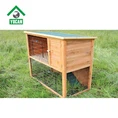


As a seasoned chicken coop supplier, I've witnessed firsthand the growing enthusiasm for backyard chicken - keeping. One of the most sought - after designs is a chicken coop with a detachable chicken run. This setup offers flexibility, convenience, and enhanced chicken welfare. In this blog, I'll guide you through the process of making such a structure, drawing on my years of experience in the industry.
Planning Your Chicken Coop and Run
Before you start gathering materials, you need to have a clear plan. Consider the number of chickens you have or plan to have. A general rule of thumb is to provide at least 4 square feet of coop space per chicken and 10 square feet of run space per chicken. This ensures that your chickens have enough room to move around comfortably, reducing stress and the risk of disease.
You also need to think about the location. Choose a spot that is well - drained, gets some sunlight, but also has shade options. This will keep your chickens cool in the summer and dry during rainy days.
Selecting the Right Materials
When it comes to building a chicken coop and run, you have several material options. As a supplier, I often recommend different types of coops based on customer needs.
- Wooden Chicken Coop: Wood is a classic choice. It's natural, provides good insulation, and is relatively easy to work with. You can check out our Wooden Chicken Coop for inspiration. High - quality, untreated lumber is ideal. Cedar is a great option as it is naturally resistant to rot and insects.
- WPC Chicken Coop: Wood - plastic composite (WPC) is a more modern alternative. It combines the look of wood with the durability of plastic. WPC is resistant to moisture, rot, and pests. Visit our WPC Chicken Coop page to see some of the stylish and functional options available.
For the chicken run, wire mesh is essential. Use a sturdy wire with small enough holes to prevent predators from getting in. Hardware cloth is a popular choice as it is strong and durable.
Building the Chicken Coop
Frame Construction
Start by building the frame of the coop. Cut the lumber to the appropriate lengths and assemble them using nails or screws. Make sure the corners are square for stability. The frame will form the skeleton of the coop, so take your time to ensure it is well - constructed.
Wall Installation
Attach the siding material (wood or WPC) to the frame. You can use nails or screws for this step. Leave some ventilation gaps near the top of the walls to allow fresh air to circulate. Ventilation is crucial for preventing the buildup of ammonia from chicken droppings, which can be harmful to your chickens' respiratory systems.
Roofing
Choose a roofing material that is waterproof and durable. Corrugated metal or asphalt shingles are common choices. Install the roof securely to protect the coop from the elements.
Interior Setup
Inside the coop, install nesting boxes. A good rule is to have one nesting box for every 3 - 4 chickens. You can make them out of wood and line them with soft bedding such as straw or wood shavings. Also, install roosting bars. Chickens like to sleep off the ground, and roosting bars provide a comfortable place for them to rest.
Building the Detachable Chicken Run
Frame Assembly
Similar to the coop, build a frame for the chicken run using lumber. The frame should be strong enough to support the wire mesh. Make sure the frame has a solid base, and you can use stakes to secure it to the ground if needed.
Wire Mesh Installation
Attach the wire mesh to the frame using zip ties or staples. Start from the bottom and work your way up, making sure the mesh is taut and there are no loose ends. Leave an opening for a door, which will allow you to access the run easily.


Detachment Mechanism
To make the run detachable, you can use a simple yet effective mechanism. For example, you can use large - sized bolts or hooks to connect the run to the coop. This way, you can easily separate the run from the coop for cleaning, moving, or if you need to store it during the off - season.
Finishing Touches
- Painting and Treating: If you've used wood, consider painting or treating it to protect it from the elements. There are non - toxic paints and treatments available that are safe for chickens.
- Adding Accessories: You can add some accessories to the coop and run to make it more comfortable for your chickens. For example, a waterer and a feeder should be placed inside the run and coop. You can also add some perches or toys to keep your chickens entertained.
Advantages of a Detachable Chicken Run
- Flexibility: You can move the run around your yard to give your chickens access to fresh grass and insects. This also helps to prevent the ground in one area from becoming over - grazed.
- Cleaning: Detaching the run makes it easier to clean both the coop and the run. You can thoroughly clean and disinfect the areas to maintain a healthy environment for your chickens.
- Seasonal Use: You can store the run during the winter if you don't need it, saving space in your yard.
Maintenance Tips
- Regular Cleaning: Clean the coop and run at least once a week. Remove any droppings, soiled bedding, and uneaten food. This will prevent the growth of bacteria and parasites.
- Inspection: Regularly inspect the coop and run for any signs of damage. Check the wire mesh for holes, the frame for rot or weakness, and the roof for leaks.
- Predator Proofing: Continuously ensure that your coop and run are predator - proof. Check for any gaps or openings where predators could enter.
Why Choose Our Products
As a chicken coop supplier, we offer a wide range of high - quality Chicken Coop with Running Cage options. Our coops are designed with the well - being of your chickens in mind. We use only the best materials and pay attention to every detail during the manufacturing process.
Whether you're a beginner or an experienced chicken keeper, our products are easy to install and maintain. We also provide excellent customer support to help you with any questions or concerns you may have.
If you're interested in purchasing a chicken coop or have any questions about building your own, don't hesitate to contact us for a procurement discussion. We're here to help you create the perfect home for your chickens.
References
- "Storey's Guide to Raising Chickens" by Gail Damerow
- "The Chicken Encyclopedia" by Janet Garman and Andrew J. Schneider