


Monitoring the activity in a squirrel house is crucial for ensuring the well - being of these furry inhabitants and for suppliers like us to understand the product's performance. As a leading supplier of squirrel houses, we've gained valuable insights into effective monitoring methods.
Why Monitor Squirrel House Activity?
Before delving into the how - to, it's essential to understand the importance of monitoring. For squirrel enthusiasts, observing their activity provides a window into their health and behavior. A sudden change in movement patterns could indicate illness, stress, or the presence of a predator. From a supplier's perspective, monitoring helps us evaluate the functionality of our Outdoor Squirrel House. We can see if the design is suitable for the squirrels, if the insulation is working, and if the entry and exit points are easily accessible.
Basic Monitoring Tools
Cameras
One of the most straightforward ways to monitor squirrel house activity is by using cameras. There are various types of cameras available, from simple trail cameras to high - definition indoor cameras. Trail cameras are ideal for outdoor squirrel houses as they can withstand different weather conditions. They are usually motion - activated, which means they start recording when they detect movement. This saves battery life and storage space. Place the camera at a suitable angle, ensuring it covers the entrance and a significant part of the interior of the squirrel house. You can then review the footage to see when the squirrels enter and leave, how they interact with each other, and their general behavior inside the house.
For Wooden Squirrel House, indoor cameras can be a great option. They can provide a more detailed view of the squirrels' activities, such as their nesting behavior and how they use the space. Make sure the camera is securely mounted and doesn't cause any disturbance to the squirrels.
Sensors
Sensors can also play a vital role in monitoring. Temperature sensors, for example, can help you keep track of the internal temperature of the squirrel house. Squirrels are sensitive to temperature changes, and extreme cold or heat can be harmful to them. By monitoring the temperature, you can ensure that the insulation of the house is working effectively. If the temperature drops too low, it might be necessary to add more insulation or relocate the house to a warmer spot.
Motion sensors can be used in conjunction with cameras. They can trigger the camera to start recording when they detect movement, providing an extra layer of security and ensuring that no important activity goes unnoticed. Additionally, humidity sensors can be useful, especially in wooden squirrel houses. High humidity can lead to mold growth, which is harmful to both the squirrels and the structure of the house.
Setting Up a Monitoring System
Location Selection
The first step in setting up a monitoring system is to choose the right location for the squirrel house. Place it in an area where squirrels are likely to frequent, such as near trees or a food source. However, make sure it's not too close to human activity, as this can cause stress to the squirrels. When installing the monitoring equipment, ensure that it doesn't obstruct the squirrels' natural movement and that it's well - hidden to avoid scaring them away.
Equipment Installation
Install the cameras and sensors according to the manufacturer's instructions. For trail cameras, mount them on a nearby tree or a sturdy post. Make sure they are at a height where they can capture a good view of the squirrel house. Indoor cameras can be placed on a shelf inside the house or attached to the wall. When installing sensors, place them in strategic locations. Temperature sensors should be placed in the middle of the house to get an accurate reading, while humidity sensors can be placed near the floor where moisture is more likely to accumulate.
Data Collection and Analysis
Once the monitoring system is set up, start collecting data. Review the camera footage regularly to look for patterns in the squirrels' behavior. Note down the times when they are most active, how often they enter and leave the house, and any signs of aggression or illness. Analyze the sensor data as well. If the temperature or humidity levels are outside the optimal range, take appropriate action.
Interpreting Squirrel Behavior
Normal Behavior
Squirrels are diurnal animals, which means they are most active during the day. They typically spend their mornings and afternoons foraging for food and building their nests. Inside the squirrel house, they may rest, groom themselves, or interact with other squirrels. Normal behavior also includes a healthy appetite and a playful attitude. If you notice that the squirrels are spending a lot of time outside the house, it could be a sign that they are finding plenty of food in the area.
Abnormal Behavior
Abnormal behavior can be a cause for concern. If a squirrel is lethargic, has a dull coat, or is not eating, it could be sick. Aggressive behavior towards other squirrels or a sudden change in their activity patterns can also indicate a problem. For example, if a squirrel is constantly trying to escape from the house, it might be due to overcrowding, a predator nearby, or an uncomfortable living environment.
Using Monitoring Results to Improve Squirrel House Design
As a supplier, the data collected from the monitoring system is invaluable. It allows us to identify areas where our squirrel houses can be improved. If we notice that squirrels are having difficulty entering or exiting the house, we can modify the design of the entrance. If the temperature inside the house is not stable, we can experiment with different insulation materials.
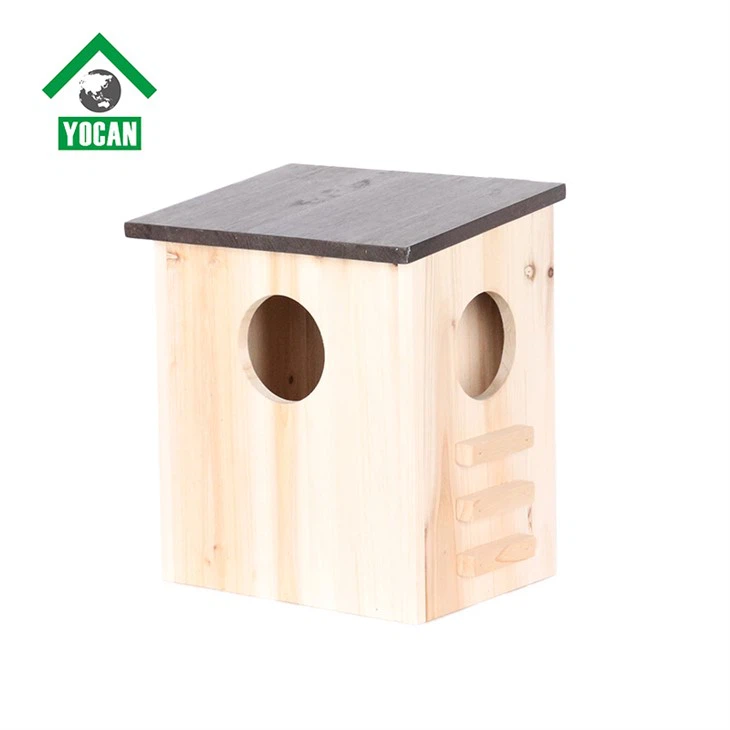
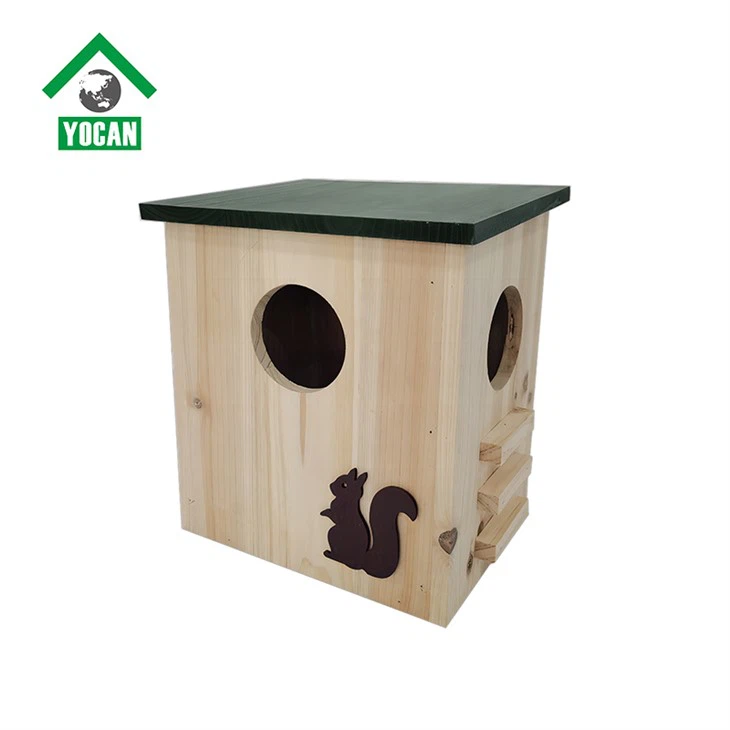
By making these improvements, we can provide a better living environment for the squirrels and increase the satisfaction of our customers. Our Outdoor Squirrel House and Wooden Squirrel House are designed with the well - being of the squirrels in mind, and continuous monitoring helps us refine these designs.
Contact Us for Your Squirrel House Needs
If you're interested in purchasing a high - quality squirrel house or learning more about our monitoring solutions, we'd love to hear from you. Our team of experts can provide you with detailed information about our products and how to set up an effective monitoring system. Whether you're a professional wildlife researcher or a squirrel enthusiast, we have the right solution for you. Contact us today to start a discussion about your squirrel house requirements and let's work together to provide a safe and comfortable home for these amazing creatures.
References
- "Squirrel Biology and Behavior" by Wildlife Research Institute
- "The Art of Building Squirrel Houses" by Nature Conservation Press
- Manufacturer's guides for cameras and sensors used in the monitoring system.