


Hey there, pet lovers! As a pet house supplier, I've seen firsthand how important it is to keep our furry friends dry and cozy, especially when it's pouring outside. In this blog post, I'm going to share some tips on how to protect a pet house from the rain. Whether you've got a Wooden Pet House or another type of shelter for your pet, these strategies will come in super handy.
Choose the Right Location
First things first, where you place the pet house matters a whole lot. You don't want to set it up in a low - lying area where water tends to pool. That's just asking for trouble! Look for a spot that's elevated and well - drained. A gentle slope can be your best friend here, as it allows rainwater to run off instead of collecting around the house.
Also, try to position the pet house away from any large trees. While they might offer shade on sunny days, during a storm, branches can break off and damage the house. And let's not forget about the risk of lightning strikes. A clear, open area that's a bit elevated is ideal.
Use a Good Roofing Material
The roof is your pet house's first line of defense against the rain. If you're building or buying a new pet house, opt for a roofing material that's waterproof and durable. Metal roofs are a great choice. They're strong, long - lasting, and can shed water really quickly. Asphalt shingles are also popular. They're affordable and do a decent job of keeping the rain out.
If you already have a pet house with a less - than - ideal roof, you can add a waterproof coating. There are plenty of products on the market designed for this purpose. Just make sure to follow the manufacturer's instructions when applying it. You'll want to clean the roof thoroughly first and let it dry completely before adding the coating.
Seal the Gaps
Over time, gaps can form in the pet house, especially around the doors, windows, and joints. These gaps are like little invitations for rainwater to sneak in. To fix this, use a good quality sealant. Silicone sealants are great because they're flexible and can withstand different weather conditions.
Go around the pet house and carefully apply the sealant to any visible gaps. Make sure to smooth it out so that it creates a tight seal. This not only keeps the rain out but also helps with insulation, keeping your pet warm in the colder months.
Elevate the Pet House
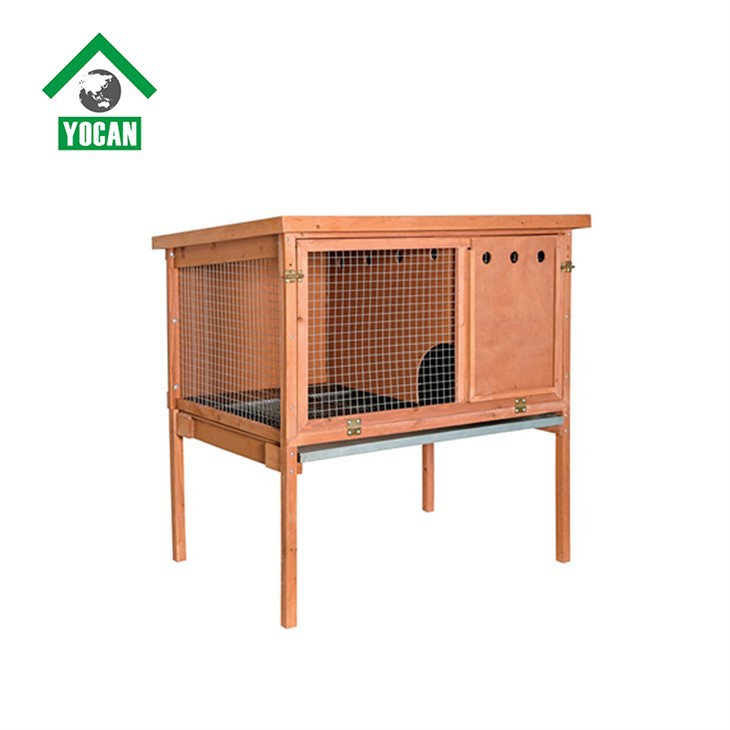
Elevating the pet house off the ground is another smart move. You can use bricks, cinder blocks, or purpose - made stands. By raising the house, you prevent water from seeping in from the bottom. It also helps with air circulation, which is important for preventing mold and mildew.
When elevating the pet house, make sure it's stable. You don't want it to tip over easily. Check the legs or supports regularly to make sure they're still in good condition. If you notice any signs of wear or damage, replace them right away.
Add a Rain Shield
A simple rain shield can make a huge difference. You can build one yourself using a piece of plywood or plastic sheeting. Attach it to the roof of the pet house at an angle so that it directs the rain away from the entrance.
If you're not into DIY, there are also pre - made rain shields available. They come in different sizes and styles, so you can find one that fits your pet house perfectly. Just make sure it's securely attached so that it doesn't blow away in a strong wind.
Maintain the Surroundings
The area around the pet house also plays a role in keeping it dry. Keep the grass trimmed short, and remove any leaves or debris that might block the flow of water. If there are any gutters or downspouts nearby, make sure they're clean and working properly.
You can also consider adding a layer of gravel around the base of the pet house. Gravel helps with drainage and prevents mud from forming. It's a simple and effective way to keep the area around the house dry.
Check Regularly
Last but not least, make it a habit to check the pet house regularly, especially after a heavy rain. Look for any signs of water damage, such as damp spots or mold. If you notice any issues, address them right away.
Check the roof for any loose shingles or damage to the metal. Make sure the seals are still intact, and the rain shield is in place. By catching problems early, you can prevent more serious damage from occurring.
Conclusion
Protecting a pet house from the rain is all about taking a few simple steps. From choosing the right location and roofing material to sealing gaps and maintaining the surroundings, every little bit helps. As a pet house supplier, I know how important it is to provide a safe and dry environment for our pets.
If you're in the market for a new pet house or need some advice on protecting your existing one, I'd love to help. Feel free to reach out to me for more information or to discuss your specific needs. Let's work together to keep our furry friends happy and dry!
References
- "Pet Housing: Design and Construction" by Animal Welfare Information Center
- "Roofing Materials for Outdoor Structures" by Home Improvement Magazine
- "Sealing and Insulating Guide" by DIY Home Journal