


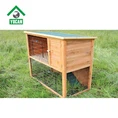


Guinea pigs are adorable and social animals that require a safe and secure living environment. As a Guinea Pig House supplier, I understand the importance of ensuring that these houses are stable and resistant to tipping over. In this blog post, I'll share some practical tips on how to secure a guinea pig house to prevent it from tipping over, ensuring the well - being of your furry friends.
Understanding the Risks of a Tipping Guinea Pig House
Before we delve into the solutions, it's essential to understand why a guinea pig house might tip over. Guinea pigs are active animals. They run, jump, and sometimes even push against the walls of their houses. If the house is not properly secured, these normal activities can cause it to become unstable and tip. A tipped - over house can lead to injuries for the guinea pigs, such as broken bones or cuts. It can also cause stress to the animals, which may have a negative impact on their health.
Choosing the Right Location
The first step in securing a guinea pig house is to choose the right location. Place the house on a flat and stable surface. A uneven floor can cause the house to lean, increasing the risk of tipping. Avoid placing the house on soft surfaces like carpets, as they can make the house sink in and become unstable. A hard, level floor such as a wooden or tile surface is ideal.
Also, consider the location in terms of traffic. Keep the house away from high - traffic areas where it might be accidentally bumped into by people or other pets. This reduces the external forces that could cause the house to tip over.
Selecting a Sturdy House
As a supplier, I offer a range of high - quality guinea pig houses, including the Guinea Pig Hide House, Wooden Guinea Pig Large House, and Flat Pack Wooden Guinea Pig House With Divis. When choosing a house, opt for one with a low center of gravity. A house that is wider at the base and lower in height is more stable than a tall and narrow one.
The material of the house also matters. Wooden houses are generally more stable than plastic ones because they are heavier. However, make sure the wood is of good quality and treated to prevent rot. Additionally, check the construction of the house. Well - built houses with strong joints are less likely to tip over.
Using Anchoring Methods
If the guinea pig house still seems a bit wobbly, you can use anchoring methods to secure it. One simple way is to use non - slip pads. Place these pads under the legs of the house. They increase the friction between the house and the floor, making it less likely to slide or tip.
For more permanent solutions, you can use straps or cables to anchor the house to a fixed object. For example, if the house is placed against a wall, you can use a strong strap to attach it to a wall stud. This provides additional support and prevents the house from tipping over, even if the guinea pigs are very active inside.
Adding Weight to the Base
Another effective way to secure the guinea pig house is to add weight to the base. You can place heavy objects inside the house near the bottom. For example, you can put a few large, smooth stones in a corner of the house. Make sure the stones are too big for the guinea pigs to chew on or move around.
Alternatively, you can use sandbags. Place them under the house or around the perimeter of the base. The added weight helps to lower the center of gravity of the house, making it more stable.
Regular Inspections
Once you have secured the guinea pig house, it's important to conduct regular inspections. Check the stability of the house every few days. Look for any signs of wear and tear, such as loose joints or damaged parts. If you notice any issues, repair or replace the affected parts immediately.


Also, observe the guinea pigs' behavior. If they seem to be pushing or climbing on the house more than usual, it might be a sign that the house needs further securing. Adjust the anchoring or add more weight to the base as needed.
Conclusion
Securing a guinea pig house is crucial for the safety and well - being of your guinea pigs. By choosing the right location, selecting a sturdy house, using anchoring methods, adding weight to the base, and conducting regular inspections, you can significantly reduce the risk of the house tipping over.
As a Guinea Pig House supplier, I am committed to providing high - quality products and helpful advice. If you have any questions about securing your guinea pig house or are interested in purchasing one of our products, I encourage you to contact me for a procurement discussion. I am more than happy to assist you in finding the perfect house for your guinea pigs and ensuring its proper installation.
References
- "The Care and Keeping of Guinea Pigs" by Sharon Vanderlip.
- Various industry reports on small animal housing safety.