


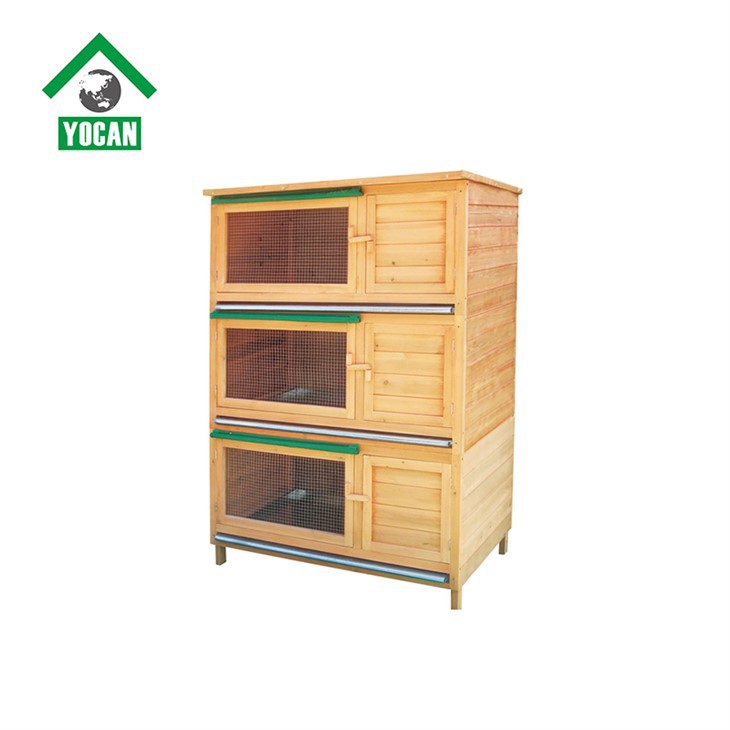
Hey there, fellow rabbit lovers! As a supplier of top - notch rabbit hutches, I've seen it all when it comes to the pesky issue of pests in rabbit hutches. Whether you've got a Wooden Triangle Shaped Rabbit Hutch, a 2 Stories Rabbit Hutch, or a Triangle Shaped Rabbit Hutch, pests can be a real headache. But don't worry, I'm here to share some tips on how to treat your rabbit hutch for pests.
Why Pests Are a Problem
First off, let's talk about why pests in a rabbit hutch are such a big deal. Pests like mites, fleas, and flies can cause a whole bunch of problems for your furry friends. Mites can lead to skin irritation, hair loss, and even more serious health issues if left untreated. Fleas are not only annoying for rabbits but can also transmit diseases. Flies can lay eggs in the hutch, which turn into maggots, and this is just plain disgusting and unhealthy for your rabbits.

Regular Cleaning
The most basic and important step in pest control is regular cleaning. You should clean your rabbit hutch at least once a week. Remove all the bedding, droppings, and any leftover food. Use a stiff brush to scrub the surfaces of the hutch, including the floors, walls, and shelves. This helps to get rid of any eggs or larvae that pests might have laid.
After scrubbing, rinse the hutch thoroughly with water. You can also use a mild, pet - safe disinfectant to kill any remaining germs and pests. Make sure to follow the instructions on the disinfectant bottle carefully and rinse it off well so that your rabbits aren't exposed to any harmful chemicals.
Bedding Selection
The type of bedding you use in your rabbit hutch can also affect pest infestations. Avoid using bedding that is likely to attract pests. For example, straw can sometimes harbor mites and other pests. Instead, opt for high - quality wood shavings or paper - based bedding. These materials are less likely to attract pests and are also more absorbent, which helps keep the hutch dry.
Change the bedding regularly. If you notice that the bedding is starting to smell or look dirty before the weekly cleaning, go ahead and change it earlier. Fresh bedding not only keeps your rabbits comfortable but also reduces the chances of pests taking up residence.
Ventilation
Good ventilation is crucial in a rabbit hutch. Pests thrive in warm, damp, and stagnant environments. By ensuring that your hutch has proper ventilation, you can keep the air fresh and reduce the humidity levels. This makes the hutch a less attractive place for pests.
If your hutch has windows, keep them open during the day to allow air to circulate. You can also add small vents to the hutch if it doesn't have enough natural airflow. Just make sure that the vents are small enough so that your rabbits can't escape through them.
Natural Pest Repellents
There are several natural pest repellents that you can use in your rabbit hutch. For example, cedar chips have natural insect - repelling properties. You can sprinkle a small amount of cedar chips around the edges of the hutch. However, be careful not to use too much, as some rabbits may be sensitive to the smell of cedar.
Another natural option is essential oils. Lavender and eucalyptus oils are known to repel fleas and flies. You can add a few drops of these oils to a spray bottle filled with water and lightly mist the hutch. But again, make sure that your rabbits aren't in the hutch when you're spraying, and don't use too much oil, as it could be irritating to their sensitive noses.
Pest - Specific Treatments
If you already have a pest infestation in your rabbit hutch, you'll need to take more specific actions.
Mites
If you suspect that your rabbits have mites, you should take them to the vet as soon as possible. The vet can prescribe a treatment, which may include topical medications or injections. You'll also need to treat the hutch to get rid of any remaining mites. You can use a mite - killing spray that is safe for rabbits. Make sure to spray all the surfaces of the hutch, including the nooks and crannies where mites might hide.
Fleas
To get rid of fleas, you can use a flea comb on your rabbits. Comb through their fur carefully, especially around the neck, back, and tail areas. This helps to remove adult fleas. You can also use a flea powder or spray that is formulated for rabbits. But again, follow the instructions carefully and make sure it's safe for your rabbits.
To treat the hutch for fleas, wash all the bedding in hot water to kill any fleas and eggs. Then, use a flea - killing spray on the hutch surfaces. Vacuum the area around the hutch to pick up any fleas or eggs that might have fallen off.
Flies
To keep flies away from your rabbit hutch, you can use fly traps. There are many types of fly traps available, from sticky traps to baited traps. Hang the traps near the hutch but out of reach of your rabbits. You can also plant fly - repelling plants like basil, mint, or rosemary around the hutch. These plants not only smell nice but also help to keep flies at bay.
Monitoring Your Rabbits
Keep a close eye on your rabbits for any signs of pest infestation. Look for things like scratching, hair loss, redness on the skin, or a change in behavior. If you notice any of these signs, take action immediately. Early detection and treatment can prevent the problem from getting worse.
Professional Help
If you've tried all these methods and still can't get rid of the pests in your rabbit hutch, it might be time to call in the professionals. A pest control company that specializes in pet - friendly pest control can come and assess the situation. They have access to more powerful pest control products and techniques that are safe for your rabbits.
Conclusion
Treating a rabbit hutch for pests is an ongoing process. By following these tips, you can keep your rabbit hutch clean, healthy, and pest - free. Remember, a happy and healthy rabbit is a joy to have around.
If you're in the market for a new rabbit hutch or need more advice on pest control, feel free to reach out. We're here to help you provide the best living environment for your rabbits.
References
- "The Rabbit Handbook" by Susan Scheafe
- Various articles from the House Rabbit Society on rabbit health and hutch care.