


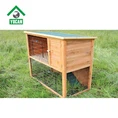


Proper ventilation is crucial for maintaining the health and well - being of rabbits housed in a hutch. As a reputable Rabbit Hutch supplier, I understand the significance of providing a well - ventilated living environment for these adorable creatures. In this blog, I'll share some key insights on how to ventilate a rabbit hutch properly.
Why is Ventilation Important?
Before delving into the ventilation methods, it's essential to understand why good ventilation matters. Rabbits produce a significant amount of ammonia through their urine. Ammonia is a pungent and harmful gas that can irritate a rabbit's respiratory system, eyes, and skin. Prolonged exposure to high levels of ammonia can lead to serious health issues such as respiratory infections, conjunctivitis, and skin problems.
Moreover, proper ventilation helps regulate the temperature and humidity inside the hutch. Rabbits are sensitive to extreme temperatures, and excessive humidity can create a breeding ground for bacteria and fungi. Adequate airflow ensures that the hutch remains dry and at a comfortable temperature, reducing the risk of heatstroke in summer and hypothermia in winter.
Assessing Your Hutch's Ventilation Needs
The ventilation requirements of a rabbit hutch depend on several factors, including the size of the hutch, the number of rabbits housed, and the climate in which you live. A larger hutch with more rabbits will generally require more ventilation than a smaller one with a single rabbit. In hot and humid climates, increased ventilation is necessary to keep the hutch cool and dry.
When assessing your hutch, look for areas where air can enter and exit freely. A well - designed hutch should have multiple ventilation points, such as windows, vents, or mesh panels. These openings should be strategically placed to promote cross - ventilation, which allows fresh air to flow through the hutch and expel stale air.
Natural Ventilation
One of the most effective and cost - efficient ways to ventilate a rabbit hutch is through natural ventilation. This can be achieved by positioning the hutch in an area with good air circulation. Place the hutch in an open space, away from walls or other structures that may block the airflow.
Windows and vents are essential for natural ventilation. Make sure that the windows can be opened and closed easily to adjust the airflow according to the weather conditions. Mesh panels are also a great addition to a hutch as they allow air to pass through while keeping predators out. You can install mesh panels on the sides, back, or front of the hutch.
For example, our Wooden Triangle Shaped Rabbit Hutch is designed with multiple mesh panels on the sides and back, providing excellent natural ventilation. The triangular shape also helps to promote air circulation within the hutch.
Mechanical Ventilation
In some cases, natural ventilation may not be sufficient, especially in large hutches or in areas with poor air quality. Mechanical ventilation systems can be used to supplement natural ventilation. These systems typically consist of fans or blowers that draw fresh air into the hutch and expel stale air.
When choosing a mechanical ventilation system, consider the size of the hutch and the number of rabbits. A small hutch may only require a single small fan, while a large hutch may need multiple fans or a more powerful ventilation system. Make sure that the fans are installed in a way that they do not create drafts directly on the rabbits, as this can cause them to become chilled.
Placement of Ventilation Openings
The placement of ventilation openings is crucial for effective ventilation. As mentioned earlier, cross - ventilation is the key to ensuring that fresh air circulates throughout the hutch. To achieve cross - ventilation, place ventilation openings on opposite sides of the hutch. For example, if you have a window on one side of the hutch, place a vent or mesh panel on the opposite side.
Avoid placing ventilation openings directly above the rabbits' sleeping areas, as this can cause cold air to blow directly on them. Instead, position the openings higher up on the walls or near the roof of the hutch. This allows the fresh air to enter the hutch at a higher level and gradually circulate downwards.
Maintenance of Ventilation Systems
Regular maintenance of the ventilation system is essential to ensure its proper functioning. Clean the mesh panels, vents, and fans regularly to remove any dirt, dust, or debris that may block the airflow. Check for any signs of damage or wear and tear, such as holes in the mesh or loose fan blades, and repair or replace them as needed.


In addition to maintaining the ventilation system, it's also important to keep the hutch clean. Remove soiled bedding and droppings regularly to reduce the production of ammonia. A clean hutch will not only improve the air quality but also make the ventilation system more effective.
Choosing the Right Hutch for Ventilation
When selecting a rabbit hutch, ventilation should be one of your top considerations. At our company, we offer a wide range of high - quality rabbit hutches, including the Wooden Large Rabbit Hutch and the Wooden Rabbit Hutch. These hutches are designed with ventilation in mind, featuring multiple mesh panels, windows, and vents to ensure proper air circulation.
Our hutches are made from high - quality wood, which is not only durable but also provides natural insulation. The wood helps to regulate the temperature inside the hutch, keeping it cool in summer and warm in winter. Additionally, the well - designed ventilation systems in our hutches help to maintain a healthy and comfortable living environment for your rabbits.
Conclusion
Proper ventilation is essential for the health and well - being of rabbits. By following the tips outlined in this blog, you can ensure that your rabbit hutch is well - ventilated. Whether you choose natural ventilation, mechanical ventilation, or a combination of both, the key is to provide fresh air circulation and remove stale air.
If you're in the market for a new rabbit hutch or looking to improve the ventilation of your existing hutch, we're here to help. Our team of experts can assist you in choosing the right hutch for your needs and provide you with advice on ventilation and maintenance. Contact us today to start a procurement discussion and give your rabbits the best living environment possible.
References
- "The Welfare of Rabbits" by RSPCA.
- "Rabbit Husbandry Manual" by a leading veterinary publisher.