


As a supplier of wood dog beds, I've spent a significant amount of time extolling the virtues of these products. They're often seen as a stylish, durable, and natural choice for our furry friends. However, it's important to approach any product with a balanced perspective. In this blog, I'll delve into the disadvantages of a wood dog bed, providing potential customers with a comprehensive view before they make a purchase.
1. Weight and Portability
One of the most obvious drawbacks of a wood dog bed is its weight. Wood is a dense material, and when crafted into a bed, it can become quite heavy. This can be a significant issue for pet owners who need to move the bed around frequently. For example, if you like to take your dog on trips to the countryside or to the beach, a heavy wood dog bed can be a real hassle to transport. You may need an extra set of hands to lift and carry it, and it might not fit easily into your vehicle. Even within your home, moving the bed from one room to another can be a chore. This lack of portability can limit the versatility of the dog bed and may not be suitable for those with an active lifestyle or those who frequently rearrange their living spaces.
2. Cost
Wood dog beds generally come with a higher price tag compared to other types of dog beds. The cost of the raw materials, especially if high - quality wood is used, can be substantial. Additionally, the manufacturing process of a wood dog bed often involves more labor - intensive steps, such as cutting, sanding, and finishing. These factors contribute to the overall cost of the product. For budget - conscious pet owners, this can be a deterrent. They may find it more economical to opt for a simple fabric or foam dog bed, which can provide similar comfort at a fraction of the cost. Even though a wood dog bed may be a long - term investment, the initial outlay can be a significant barrier for many potential customers.
3. Maintenance
Maintaining a wood dog bed requires more effort compared to other types of dog beds. Wood is a porous material, which means it can absorb moisture and odors. If your dog has an accident on the bed, the urine can seep into the wood, causing unpleasant smells and potentially leading to mold growth. Cleaning a wood dog bed is also more complicated. You can't simply throw it in the washing machine like you would with a fabric dog bed. Instead, you need to use specific cleaning products and techniques to ensure that the wood is properly cleaned and disinfected without damaging its finish. Over time, the wood may also show signs of wear and tear, such as scratches and dents, which can affect its appearance. To maintain the bed's aesthetic appeal, you may need to refinish or repair it periodically, adding to the long - term cost and effort.
4. Safety Concerns
While wood is a natural material, it can pose some safety risks to dogs. Splinters are a common concern, especially if the wood is not properly sanded or if it starts to deteriorate over time. A dog chewing on the bed or scratching at it can accidentally ingest a splinter, which can cause internal injuries or blockages. Additionally, some types of wood may be treated with chemicals or finishes that could be toxic to dogs. For example, certain stains or paints may contain harmful substances such as lead or formaldehyde. It's crucial for pet owners to ensure that the wood dog bed they purchase is made from safe, non - toxic materials. However, this can be a challenge as it requires thorough research and verification of the product's safety standards.
5. Limited Comfort Adjustability
Unlike some fabric or foam dog beds, wood dog beds offer limited comfort adjustability. They typically have a fixed shape and firmness. Dogs have different preferences when it comes to the softness or firmness of their beds. Some may prefer a plush, cushioned surface, while others may like a firmer support. A wood dog bed may not be able to accommodate these varying preferences. Additionally, as dogs age or develop health issues, they may require a more customized sleeping surface. For example, an older dog with joint problems may benefit from a bed with extra padding or orthopedic support, which a wood dog bed may not provide.
6. Temperature Sensitivity
Wood can be sensitive to temperature changes. In cold weather, a wood dog bed can feel cold to the touch, which may make it uncomfortable for your dog. On the other hand, in hot weather, the wood can absorb and retain heat, making the bed warm and stuffy. This temperature sensitivity can be a problem, especially for dogs that are more sensitive to extreme temperatures. In comparison, fabric or foam dog beds may offer better insulation and comfort in different weather conditions.
7. Space Requirements
Wood dog beds are often bulkier than other types of dog beds. They require more floor space in your home. If you live in a small apartment or have limited living space, fitting a wood dog bed can be a challenge. You may need to sacrifice some of your living area to accommodate the bed, which can be inconvenient. Additionally, the size of the bed may also limit your options for placement. You may not be able to place it in certain areas of your home due to its large dimensions.
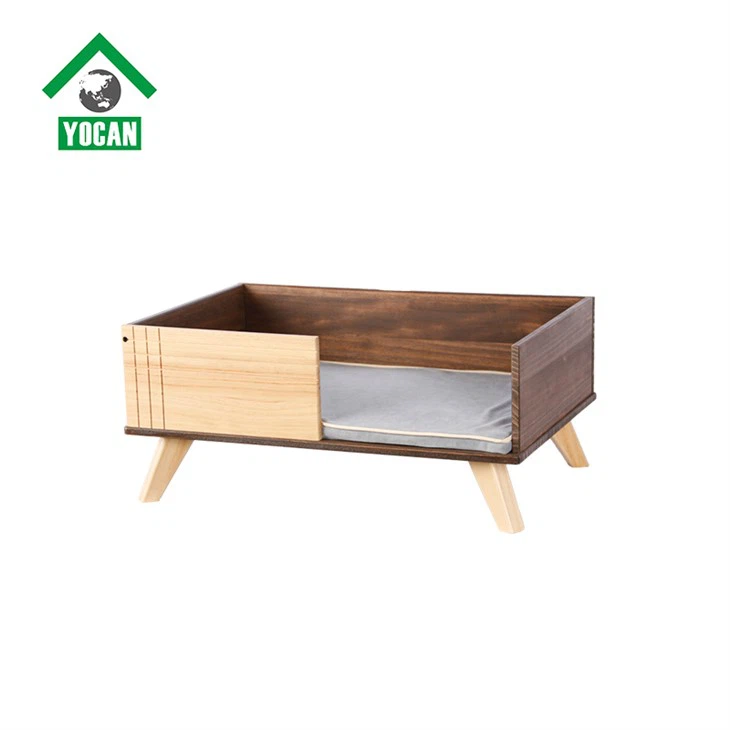
Despite these disadvantages, wood dog beds also have many advantages, such as their durability, aesthetic appeal, and natural look. If you're willing to overlook these drawbacks and are looking for a high - quality, stylish dog bed, you might be interested in our Luxury Wooden Dog Bed. It's crafted from the finest materials and designed with your dog's comfort in mind.
If you're considering purchasing a wood dog bed and have any questions or would like to discuss your specific needs, please feel free to reach out. We're here to help you make an informed decision and find the perfect dog bed for your furry companion.
References
- "Pet Bed Materials and Their Characteristics" - Journal of Pet Product Research
- "Safety Standards for Pet Furniture" - National Pet Care Association