


When it comes to enhancing the beauty and liveliness of our outdoor spaces, attracting wildlife is a popular choice. Among the many creatures we might want to welcome, squirrels and birds are two of the most charming. To cater to these furry and feathered friends, squirrel feeders and bird feeders are commonly used. But what exactly are the differences between them? As a squirrel feeder supplier, I'm here to provide an in - depth analysis.
Design and Structure
One of the most obvious differences between squirrel feeders and bird feeders lies in their design and structure.
Bird feeders are typically designed with small perches and feeding ports. These are sized to accommodate the small feet and beaks of various bird species. For example, tube feeders, which are very common for birds, have multiple small holes where birds can insert their beaks to access the seeds. The perches are usually just wide enough for a bird to balance comfortably while eating.
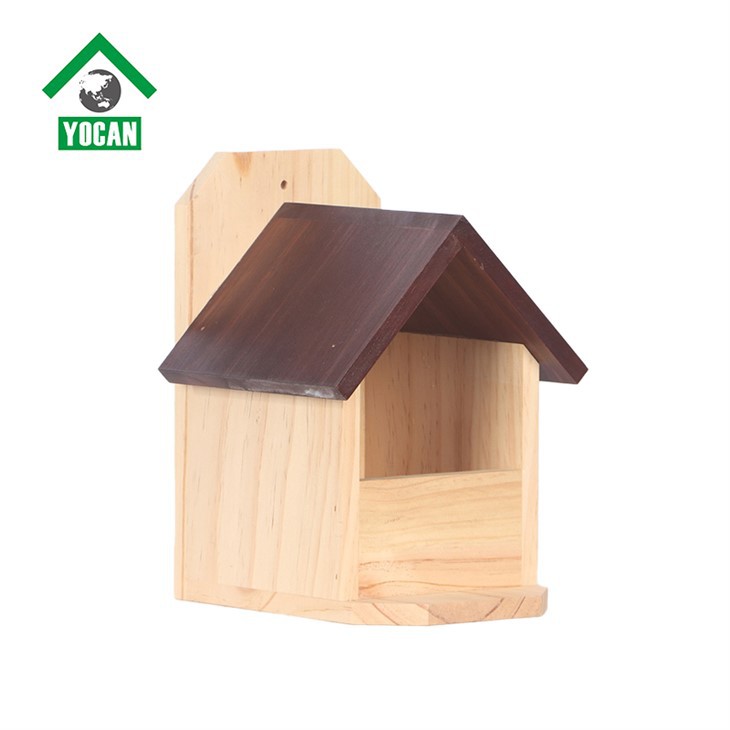
On the other hand, squirrel feeders need to be more robust and spacious. Squirrels are larger and more active than most birds. They are known for their acrobatic abilities and tendency to be quite rough when feeding. A Garden Squirrel Feeder often has a larger platform or tray where squirrels can sit or stand. It may also have a more enclosed design in some cases to protect the food from the elements and other animals. For instance, a Wooden Squirrel Feeder can provide a sturdy and natural - looking structure for squirrels to feed on. The openings in squirrel feeders are large enough for squirrels to reach in with their paws and grab the food.
Food Types
The types of food offered in squirrel feeders and bird feeders also differ.
Birds have a diverse diet, but many common bird feeders are filled with seeds such as sunflower seeds, nyjer seeds, and millet. Different bird species have preferences for different seeds. For example, finches are particularly fond of nyjer seeds, while cardinals like sunflower seeds. Some bird feeders are also designed to hold suet, which is a high - energy food made from animal fat and often mixed with nuts, fruits, or insects. Suet is especially popular among woodpeckers and other insect - eating birds.
Squirrels, however, have a broader diet. They love nuts, including peanuts, walnuts, and almonds. Corn is another favorite among squirrels. A Squirrel Feeder For Outside is often stocked with these types of food. Squirrels also enjoy fruits like apples and berries. Some squirrel feeders are designed to hold fresh produce, allowing squirrels to get a more varied diet.
Placement and Accessibility
Placement is crucial for both squirrel feeders and bird feeders, but the requirements are different.
Bird feeders are usually placed in areas where birds feel safe from predators. This could be near trees or shrubs where birds can quickly fly to for cover. They are often hung at a height that is convenient for birds to access but out of reach of most ground - dwelling predators. For example, hanging a bird feeder from a tree branch or a pole at a height of 5 - 6 feet is common.
Squirrel feeders need to be placed in a location where squirrels can easily reach them. Squirrels are excellent climbers, so feeders can be attached to trees, poles, or even placed on the ground in some cases. However, if placed on the ground, the feeder should be in an area that is not prone to flooding or being easily accessed by other unwanted animals. Squirrels are also more likely to be attracted to feeders that are in open areas where they can see and approach them from different directions.
Durability and Resistance
Durability is an important factor when considering the differences between the two types of feeders.

Bird feeders are generally made to be lightweight and easy to clean. They are often made of plastic, metal, or a combination of both. While they need to withstand the elements, they don't usually need to be as strong as squirrel feeders. However, they do need to be resistant to corrosion and damage from bird claws and beaks.
Squirrel feeders, on the other hand, need to be extremely durable. Squirrels are strong and can be quite rough when trying to get to the food. A wooden squirrel feeder needs to be made of high - quality wood that is resistant to rot and chewing. Metal parts should be thick and sturdy to prevent squirrels from bending or breaking them. Some squirrel feeders are also designed with features to deter other animals, such as raccoons, from stealing the food.
Attracting Behavior
The behavior of attracting squirrels and birds is also distinct.
Birds are attracted to feeders by the sight and sound of other birds feeding. They are social creatures, and when they see other birds at a feeder, they are more likely to join. The type of feeder and the food it offers also play a role in attracting specific bird species. For example, a hummingbird feeder filled with nectar will attract hummingbirds, while a seed feeder will attract a variety of seed - eating birds.
Squirrels are more solitary in their feeding behavior, although they may tolerate other squirrels at the same feeder. They are attracted to the smell of the food in the feeder. Squirrels have a keen sense of smell and can detect the presence of nuts or other treats from a distance. Once they find a feeder with a good supply of food, they are likely to return regularly.
Cost
In general, the cost of squirrel feeders and bird feeders can vary, but there are some trends.
Bird feeders can range from very inexpensive plastic models to more expensive, high - end feeders made of metal or with advanced features such as squirrel - proofing mechanisms. On average, basic bird feeders can cost anywhere from $5 - $20, while more elaborate ones can cost $30 - $50 or more.
Squirrel feeders, especially those made of high - quality materials like solid wood or heavy - duty metal, tend to be more expensive. A well - made Wooden Squirrel Feeder can cost $30 - $60 or more, depending on its size and design. However, the cost can be justified by the durability and the enjoyment that watching squirrels brings.
Maintenance
Maintenance requirements also differ between the two types of feeders.
Bird feeders need to be cleaned regularly to prevent the growth of mold and bacteria, which can be harmful to birds. This usually involves emptying the feeder, washing it with a mild soap and water solution, and allowing it to dry completely before refilling. The frequency of cleaning depends on the weather and the number of birds using the feeder, but it is generally recommended to clean bird feeders at least once a month.
Squirrel feeders also need to be cleaned, but the frequency may be less. Since squirrels are less likely to spread diseases through the feeder, a cleaning every few months may be sufficient. However, if the feeder is placed in an area where it gets dirty easily, more frequent cleaning may be necessary.
Conclusion
In conclusion, while both squirrel feeders and bird feeders serve the purpose of attracting wildlife to our outdoor spaces, they have significant differences in design, food types, placement, durability, attracting behavior, cost, and maintenance. As a squirrel feeder supplier, I understand the unique needs of these charming creatures and have designed a range of feeders to meet those needs. If you are interested in providing a great feeding experience for squirrels in your garden or outdoor area, I invite you to explore our Garden Squirrel Feeder, Wooden Squirrel Feeder, and Squirrel Feeder For Outside. I'm always available to discuss your specific requirements and help you choose the best feeder for your situation. Whether you are a homeowner, a wildlife enthusiast, or a business looking to enhance your outdoor space, we can provide the right solutions. If you have any questions or would like to start a procurement discussion, please feel free to reach out.
References
- National Audubon Society. "Feeding Birds."
- Squirrel Research Association. "Squirrel Behavior and Feeding Habits."
- Gardening Guides. "Best Practices for Wildlife Feeders."