




As a seasoned supplier of chicken coops, I've had countless conversations with poultry enthusiasts about the optimal environment for their feathered friends. One of the most frequently asked questions is, "What is the ideal temperature for a chicken coop?" This seemingly simple query delves into a complex interplay of factors that can significantly impact the health, well - being, and productivity of your chickens. In this blog, I'll share my insights based on years of experience in the industry, scientific research, and feedback from satisfied customers.
The Comfort Zone for Chickens
Chickens, like humans, have a comfort zone when it comes to temperature. Generally speaking, the ideal temperature range for adult chickens is between 50°F (10°C) and 75°F (24°C). Within this range, chickens can maintain their body temperature efficiently, which is crucial for their overall health. Chickens are warm - blooded animals, and they generate their own body heat. However, extreme temperatures can put a strain on their thermoregulatory systems.
When the temperature drops below 50°F (10°C), chickens may start to feel cold. They will fluff up their feathers to trap warm air close to their bodies, which is a natural defense mechanism. Prolonged exposure to cold can lead to frostbite, especially on their combs, wattles, and feet. Frostbite can cause tissue damage, pain, and in severe cases, even death. On the other hand, when the temperature rises above 75°F (24°C), chickens can become overheated. They will pant to cool themselves down, which can lead to dehydration and heat stress. Heat stress can reduce egg production, lower feed intake, and make chickens more susceptible to diseases.
Temperature Requirements for Different Stages of Chicken Growth
The ideal temperature also varies depending on the age of the chickens. Newly hatched chicks are extremely vulnerable to temperature changes. They need a warm and stable environment to survive. For the first week of their lives, chicks should be kept at a temperature of around 95°F (35°C). This temperature can be gradually reduced by about 5°F (2.8°C) each week until they are fully feathered and can tolerate normal ambient temperatures.
You can provide a heat source for chicks, such as a heat lamp or a brooder plate. Make sure the heat source is evenly distributed in the brooder so that the chicks can move to a warmer or cooler area as needed. It's also important to monitor the temperature regularly to ensure it stays within the appropriate range.
As chickens grow older and become pullets (young hens), they can tolerate slightly lower temperatures. However, they still need a relatively warm environment, especially during the winter months. Once they reach adulthood, they can handle a wider range of temperatures as long as they have access to proper shelter and ventilation.
Importance of Temperature Control in Chicken Coops
Maintaining the ideal temperature in a chicken coop is not just about keeping the chickens comfortable; it also has a direct impact on their productivity. Chickens are more likely to lay eggs when they are in a comfortable environment. When the temperature is too cold or too hot, egg production can decline significantly.
In addition, proper temperature control can help prevent the spread of diseases. Cold and damp conditions can create a breeding ground for bacteria and viruses, which can cause respiratory infections and other health problems in chickens. On the other hand, high temperatures and poor ventilation can lead to the buildup of ammonia from chicken manure, which can irritate the chickens' respiratory systems and make them more prone to diseases.
How to Control the Temperature in a Chicken Coop
There are several ways to control the temperature in a chicken coop. Insulation is one of the most effective methods. A well - insulated chicken coop can help keep the heat in during the winter and the heat out during the summer. You can use materials such as straw, wood shavings, or insulation boards to insulate the walls and roof of the coop.
Ventilation is also crucial for temperature control. Good ventilation helps remove excess heat, moisture, and ammonia from the coop. You can install vents near the top of the coop to allow hot air to escape and fresh air to enter. However, make sure the vents are designed in such a way that they do not create drafts that can make the chickens cold.
In cold weather, you can use additional heat sources such as heat lamps, infrared heaters, or heated pads. But be careful when using these heat sources, as they can pose a fire hazard if not used properly. Always follow the manufacturer's instructions and keep the heat source away from flammable materials.
In hot weather, you can provide shade for the chickens by placing the coop in a shaded area or by using shade cloth. You can also provide plenty of fresh water and even add ice cubes to the waterers to help the chickens cool down.
Choosing the Right Chicken Coop for Temperature Control
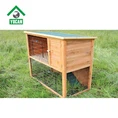
At our company, we offer a variety of chicken coops that are designed to provide optimal temperature control. Our Wooden Chicken Coop is made from high - quality wood, which is a natural insulator. Wood helps to keep the coop warm in the winter and cool in the summer. It also provides a natural and comfortable environment for the chickens.
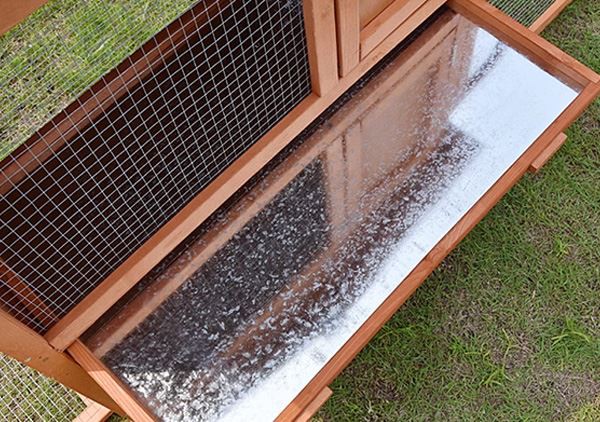
Our WPC Chicken Coop is made from wood - plastic composite materials. These materials are durable, weather - resistant, and offer good insulation properties. They are also easy to clean and maintain, which is important for keeping the coop hygienic.
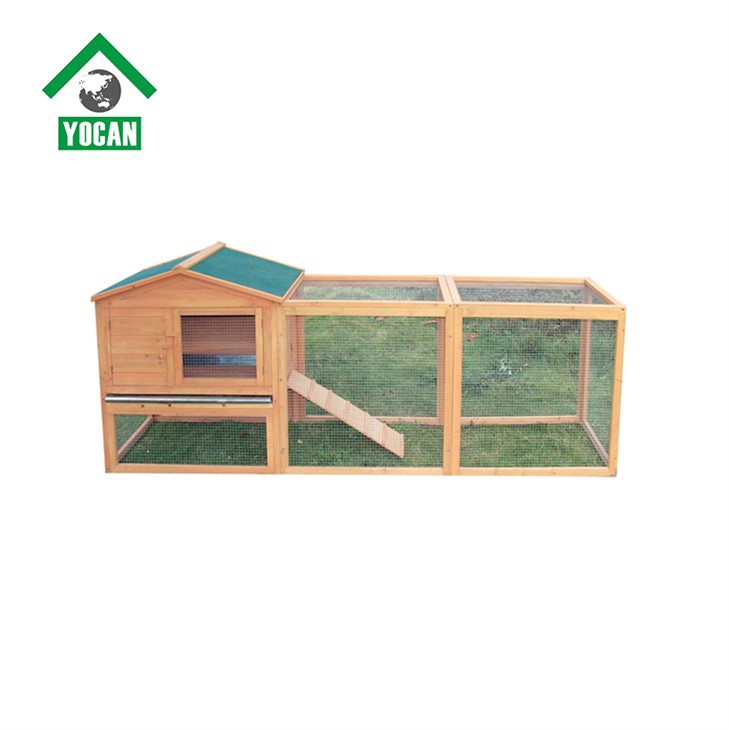
If you have a larger flock of chickens, our Chicken Coop with Running Cage is a great option. The running cage provides additional space for the chickens to exercise and get fresh air, which can help them stay healthy and comfortable. The coop itself is designed with proper ventilation and insulation to ensure a stable temperature.
Conclusion
In conclusion, the ideal temperature for a chicken coop depends on various factors, including the age of the chickens, the season, and the location of the coop. By maintaining the temperature within the appropriate range, you can ensure the health, well - being, and productivity of your chickens.
If you're interested in purchasing a high - quality chicken coop that is designed for optimal temperature control, we'd love to hear from you. Whether you're a small - scale backyard chicken keeper or a commercial poultry farmer, we have the right chicken coop for your needs. Contact us today to start a conversation about your chicken coop requirements and let's work together to create the perfect home for your chickens.
References
- "The Chicken Health Handbook" by Gail Damerow
- "Storey's Guide to Raising Chickens" by Gail Damerow
- Scientific research papers on poultry thermoregulation from agricultural universities.