


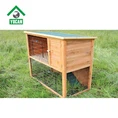


Hey there! As a supplier of hedgehog houses, I often get asked about the ideal temperature inside these little abodes. Hedgehogs are fascinating creatures, and creating the right environment for them is crucial for their well - being. So, let's dive into what the recommended temperature inside a hedgehog house really is.
First off, it's important to understand a bit about hedgehogs. These spiky critters are native to different parts of the world, and their natural habitats give us clues about their temperature preferences. In the wild, hedgehogs usually experience a range of temperatures, but they have adapted to survive in relatively mild conditions.
Most hedgehogs are comfortable in temperatures between 72°F and 80°F (22°C - 27°C). This temperature range is kind of like Goldilocks' porridge – not too hot, not too cold, but just right. When the temperature is within this sweet spot, hedgehogs can go about their normal activities, like foraging for food, exploring, and getting enough rest.
If the temperature inside the hedgehog house drops below 72°F (22°C), hedgehogs might start to feel the chill. They're prone to going into a state called torpor, which is similar to hibernation but not as deep. Torpor is a survival mechanism that helps them conserve energy when it's cold. However, in a domestic or human - provided environment, we don't want them to go into torpor because it can be stressful for them. It might also lead to health problems, like a weakened immune system, making them more susceptible to diseases.
On the other hand, if the temperature soars above 80°F (27°C), hedgehogs can get overheated. They don't have a great way to cool themselves down, unlike some other animals. Overheating can cause heatstroke, which is extremely dangerous for them. Signs of overheating in hedgehogs include excessive panting, lethargy, and a lack of appetite.
Now, let's talk about how we, as hedgehog house suppliers, can help maintain the right temperature. The materials used to build the hedgehog house play a big role. For example, our [Large Hedgehog House](/hedgehog - supplies/hedgehog - house/large - hedgehog - house.html) is made from high - quality, insulated materials. These materials help to keep the inside temperature stable, regardless of the outside weather. Whether it's a scorching summer day or a cold winter night, the insulation in our large hedgehog house acts as a buffer, keeping the temperature close to the recommended range.
Another great option is our [Squirrel Hut House Wood](/hedgehog - supplies/hedgehog - house/squirrel - hut - house - wood.html). The natural wood used in this house has some insulating properties. Wood is a great material because it can absorb and release heat slowly, which helps to regulate the internal temperature. Plus, the design of the squirrel hut house wood allows for proper ventilation, which is essential for preventing overheating.
Our [Wooden Outdoor Hedgehog House](/hedgehog - supplies/hedgehog - house/wooden - outdoor - hedgehog - house.html) is also a top - notch choice. It's designed to be sturdy and well - insulated. The wooden construction provides a natural and cozy environment for hedgehogs, and it helps to keep the temperature consistent.
To further maintain the right temperature, you can place the hedgehog house in a suitable location. Avoid placing it in direct sunlight for long periods, especially during the summer. A shaded area under a tree or on the north side of a building can be ideal. In the winter, you might want to move the house to a more sheltered spot, like against a wall or in a shed, to protect it from cold winds.
You can also add some bedding inside the hedgehog house to help with temperature regulation. Materials like shredded paper, hay, or straw can provide extra insulation. Hedgehogs will often arrange the bedding to their liking, creating a warm and comfortable nest.
Monitoring the temperature inside the hedgehog house is a good idea. You can use a simple thermometer to keep track of the temperature. If you notice that the temperature is consistently outside the recommended range, you might need to take some corrective action. For example, if it's too cold, you could add an extra layer of insulation or move the house to a warmer spot. If it's too hot, you could provide some shade or a small fan (but make sure it's not blowing directly on the hedgehog).
As a supplier, I'm always here to help you create the best environment for your hedgehogs. Whether you're a first - time hedgehog owner or a seasoned pro, choosing the right hedgehog house is a big step. Our range of products is designed with the well - being of hedgehogs in mind, and we're confident that they can help you maintain the recommended temperature inside the house.
If you're interested in purchasing one of our hedgehog houses or have any questions about temperature control or hedgehog care in general, don't hesitate to reach out. We're happy to have a chat and help you make the right choice for your spiky friends.
In conclusion, keeping the temperature inside a hedgehog house between 72°F and 80°F (22°C - 27°C) is essential for the health and happiness of hedgehogs. With the right hedgehog house and a bit of care, you can create a perfect little home for these adorable creatures. So, why wait? Check out our amazing range of hedgehog houses and give your hedgehog the cozy home it deserves.


References:
- "The Hedgehog Handbook" by Hedgehog Experts
- Various research papers on hedgehog biology and habitat requirements from wildlife conservation organizations.