


Hey there! I'm a supplier of insect houses, and I often get asked about what kind of paint is safe for these little critter abodes. It's a super important question because we want to create a cozy and non - toxic environment for our insect friends.
Let's start by understanding why paint safety matters. Insects are sensitive creatures. Their respiratory systems, exoskeletons, and overall health can be affected by harmful chemicals. If we use the wrong paint on an insect house, it could release toxic fumes or residues that might harm or even kill the insects. So, picking the right paint is crucial for both the well - being of the insects and the success of our insect houses.
Natural and Non - Toxic Paints
One of the best options for painting an insect house is natural paints. These paints are made from organic materials and are free from many of the harmful chemicals found in traditional paints.

Milk Paint
Milk paint is an old - fashioned but amazing choice. It's made from milk protein (casein), lime, and natural pigments. This paint is biodegradable and has very low VOCs (volatile organic compounds). VOCs are the chemicals in paints that can release harmful fumes into the air. Since milk paint has low VOCs, it won't harm the insects. Plus, it gives a nice, rustic look to the insect house. You can find milk paint in a variety of colors, so you can make your insect house as colorful as you want.
Clay Paint
Clay paint is another great natural option. It's made from clay, water, and natural pigments. Clay has natural insulating properties, which can help keep the insect house at a more stable temperature. Just like milk paint, clay paint has low VOCs. It's also breathable, which means air can pass through the paint. This is important for the insects because it allows for proper ventilation inside the house. Clay paint gives a smooth and earthy finish to the insect house.
Water - Based Paints
Water - based paints are also a good choice for insect houses. They are much safer than oil - based paints.
Acrylic Paints
Acrylic paints are a popular type of water - based paint. They dry quickly and are easy to clean up with just water. Most acrylic paints have low VOCs, especially the ones labeled as "low - odor" or "eco - friendly". When choosing acrylic paint for an insect house, make sure to pick one that is non - toxic. You can find acrylic paints in a wide range of colors, so you can get creative with your insect house design.
However, it's important to note that some cheap acrylic paints might contain small amounts of harmful chemicals. So, always read the label carefully. Also, let the painted insect house dry completely in a well - ventilated area before putting it out for the insects. This will ensure that any remaining fumes are gone.
Avoid These Paints
There are some types of paints that you should definitely avoid when painting an insect house.
Oil - Based Paints
Oil - based paints are a big no - no. They have high levels of VOCs, which can be very harmful to insects. The fumes from oil - based paints can last for a long time, even after the paint has dried. These fumes can irritate the insects' respiratory systems and cause health problems. Also, oil - based paints are not as breathable as natural or water - based paints, which can lead to poor ventilation inside the insect house.
Paints with Lead or Heavy Metals
Paints that contain lead or other heavy metals are extremely dangerous. These metals can be toxic to insects and can also contaminate the surrounding environment. Even small amounts of lead can be harmful, so always check the paint label to make sure it's free from lead and heavy metals.
How to Apply the Paint Safely
Once you've chosen the right paint, it's important to apply it safely. First, make sure the insect house is clean and dry before painting. Sand the surface lightly to help the paint adhere better. Use a high - quality paintbrush or a spray gun for a smooth finish.
If you're using a spray gun, make sure to do it in a well - ventilated area, preferably outdoors. This will prevent you from inhaling the paint fumes. When painting, apply thin coats of paint and let each coat dry completely before applying the next one. This will ensure a more even and durable finish.
Our Other Products
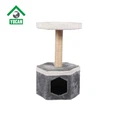
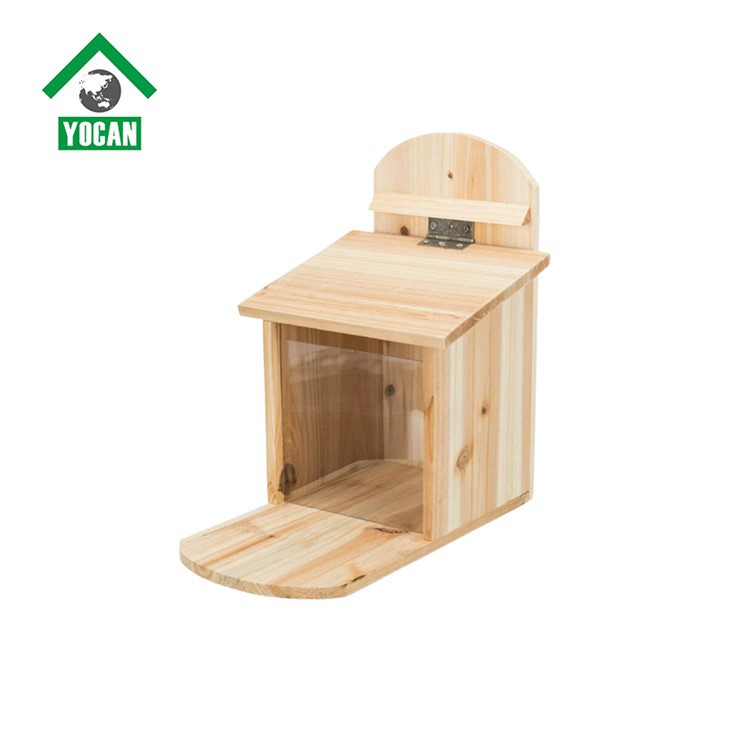
As an insect house supplier, we also offer other great products for your furry and feathered friends. Check out our Pine Wood Squirrel Feeder. It's made from high - quality pine wood and is perfect for attracting squirrels to your backyard. We also have the Red Cedar Dual Use Bird Feeder. This bird feeder is made from red cedar, which is a durable and weather - resistant wood. And if you have a cat, our Wooden Cat Tree House is a great option. It's sturdy and provides a fun place for your cat to play and rest.
Conclusion
Choosing the right paint for an insect house is essential for the health of the insects. Natural paints like milk paint and clay paint, as well as water - based acrylic paints, are great options. Avoid oil - based paints and paints with lead or heavy metals. By following these guidelines, you can create a safe and attractive home for your insect friends.
If you're interested in purchasing our insect houses or any of our other products, feel free to reach out for a procurement discussion. We're always happy to talk about how we can meet your needs.
References
- "The Chemistry of Paints and Coatings" by Thomas H. Ferrigno
- "Natural Building Materials: A Complete Guide" by David Bainbridge